
Explore this post with your favourite AI tool:


Share this article with AI tools to summarise, remember, or explore the content further.
Effective asbestos risk management is critical in high-hazard environments, as highlighted by a recent enforcement action taken against energy giant EDF and a specialist contractor. The Office for Nuclear Regulation (ONR) has issued Improvement Notices following failures to safeguard workers from potential exposure at a nuclear power station.
EDF Energy Nuclear Generation Limited and Trillium Flow Services UK Ltd have been formally rebuked over safety failings at the Hunterston B power station in North Ayrshire. The regulatory action follows an incident during maintenance work where the presence of asbestos was not properly accounted for, leading to concerns that personnel may have been put at unnecessary risk.
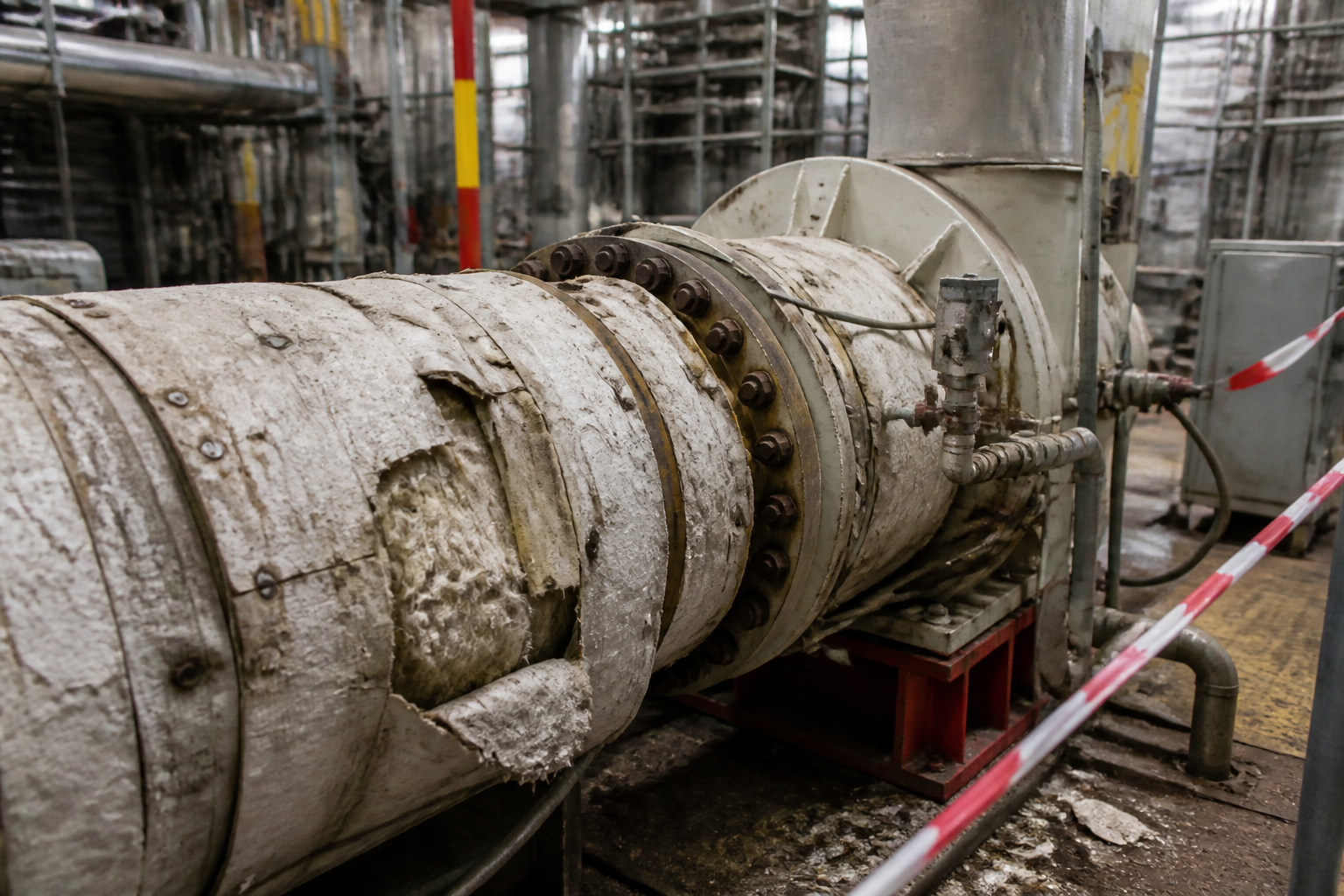
The incident occurred while contractors were working on a gas circulator at the site, which is currently in the defuelling phase. According to the ONR, the companies failed to ensure that the work was carried out in a way that prevented or minimised exposure to asbestos fibres. This breakdown in safety protocols triggered an investigation by the nuclear watchdog, which found that the existing control measures were insufficient for the specific task at hand.
Regulatory scrutiny on asbestos risk management
The ONR’s decision to issue Improvement Notices underlines the strict expectations placed on dutyholders within the UK’s nuclear sector. In these environments, the complexity of the infrastructure often means that legacy materials like asbestos are embedded deep within mechanical systems. When maintenance or decommissioning work begins, the risk of disturbing these materials increases significantly.
Inspectors found that both the site operator and the contractor had not met the required standards under the Control of Asbestos Regulations 2012. The notices require the firms to review their procedures and ensure that future work involving the potential disturbance of hazardous materials is planned and executed with greater rigour. Central to this is the requirement for a thorough assessment before any physical work begins on older plant machinery.
For those in charge of large-scale industrial sites, this case serves as a reminder that asbestos risk management is not just a paperwork exercise. It requires a live, breathing strategy that connects the findings of asbestos surveys directly to the technicians on the tools. If the information from a survey doesn’t reach the person holding the wrench, the system has failed.
Accountability for dutyholders and contractors
One of the most notable aspects of this enforcement action is that it targets both the client and the contractor. Under UK health and safety law, responsibility is rarely a solo endeavour. While EDF holds the ultimate responsibility as the site licensee, Trillium Flow Services UK Ltd, as the employer of the workers involved, has an equal duty to ensure their staff are not walking into a hazardous situation blind.
The ONR stated that the failures related specifically to the “assessment and management of the risks associated with asbestos.” This suggests that while asbestos may have been known to be on the site, the specific risks associated with the maintenance of the gas circulator were not adequately checked or communicated. In any industrial setting, “knowing” asbestos is present in a building is very different from managing the specific risk of it being released during mechanical agitation or dismantling.
For facilities managers and property owners, the takeaway is clear: you cannot outsource your legal liability. Even when hiring specialist firms with high levels of expertise, the lead dutyholder must ensure that asbestos risk management remains a priority throughout the duration of the contract. This involves verifying that contractors have reviewed the asbestos register and that their specific method statements reflect the reality of the materials they might encounter.
Practical steps for high-risk maintenance
The situation at Hunterston B highlights the dangers of vertical integration of risks. When a contractor is working on complex machinery, asbestos isn’t always in the places you’d expect, such as ceiling tiles or pipe lagging. It is often found in gaskets, seals, and heat shields within the machinery itself. This makes the “refurbishment and demolition” level of surveying essential before any intrusive maintenance takes place.
Robust asbestos risk management relies on the flow of information. If a central compliance team holds the asbestos records but the maintenance team on the ground doesn’t have access to them, the risk of an accidental release is high. Digital registers that are accessible via tablets on-site are becoming the industry standard to bridge this communication gap.
Furthermore, the training of staff is paramount. Workers should not only be trained in asbestos awareness but should be empowered to stop work if they find a material that doesn’t match the description in their brief. A “stop and ask” culture is often the final line of defence against significant exposure incidents.
EDF and Trillium Flow Services have been given a deadline to comply with the terms of the Improvement Notices. The ONR has confirmed it will monitor the progress of both companies to ensure that the necessary improvements are implemented. While no immediate harm to the public was reported, the potential for long-term health implications for the workers involved remains the primary concern for the regulator. This enforcement action puts the wider industry on notice that even the most experienced operators must remain vigilant regarding legacy contaminants.