Explore this post with your favourite AI tool:


Share this article with AI tools to summarise, remember, or explore the content further.
Properly managing asbestos roof tiles is essential for any refurbishment project to prevent the accidental release of hazardous fibres into the environment. Following a recent site inspection triggered by local concerns, a building owner has defended the safety measures in place during the removal of these materials.
Work at a site in Jersey was recently scrutinised after neighbours raised the alarm regarding the handling of roofing materials during a renovation. The intervention led to a formal inspection by the Health and Safety Inspectorate (HSI) to determine whether the contractor was following the correct protocols for dealing with cement-based products containing chrysotile.
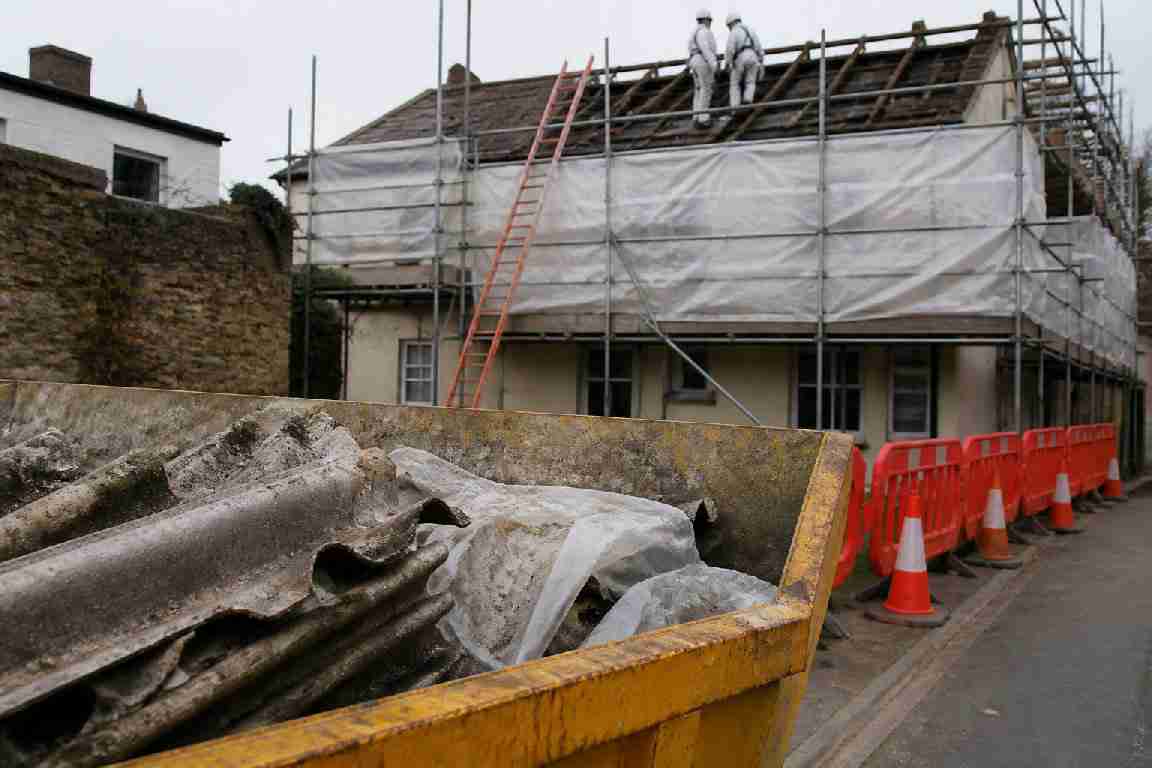
The owner of the property, located on Lower Park Road, has since confirmed that the inspection found the site to be in compliance with safety standards. According to the owner, the tiles were being removed carefully and stored in a designated skip, rather than being broken or thrown from the roof, which is the primary concern during this type of work.
Regulatory oversight and asbestos roof tiles
For many property owners and facilities managers, the discovery of asbestos roof tiles is a common occurrence during the maintenance of mid-20th-century buildings. While these materials are generally considered lower risk than friable products like pipe insulation or spray coatings, they still fall under strict regulatory requirements regarding their disturbance and disposal.
The Health and Safety Inspectorate confirmed that they had visited the site to assess the methods being used. In many jurisdictions, including the UK mainland and the Channel Islands, the key to compliance is ensuring that the material remains as intact as possible. If tiles are smashed, dropped, or cut with power tools, they can release respirable fibres that pose a long-term health risk to both workers and the public.
In this instance, the owner maintained that the contractors were experienced in handling such materials. The HSI inspection serves as a reminder that public perception is a significant factor in project management; even if a contractor is working safely, the sight of old roofing materials being handled can lead to reports from concerned residents.
The building owner noted that the asbestos roof tiles were being double-bagged or placed in sealed containers as required by local waste management guidelines. This process ensures that the hazardous material is contained from the moment it leaves the roof until it reaches a licensed disposal facility.
Dutyholder responsibilities and public concern
This incident highlights the delicate balance dutyholders must strike between technical compliance and community relations. For a compliance manager or landlord, a visit from a regulator—even one that results in a clean bill of health—can cause delays and reputational friction if the worksite isn’t managed transparently.
When dealing with asbestos roof tiles, the risk assessment should not only cover the safety of the operatives but also the potential for environmental contamination. Neighbours often react to the dust generated during demolition; if that dust is perceived to contain asbestos, the level of scrutiny increases exponentially. Proper site hoarding, clear signage, and the use of water suppression are standard industry practices that can help mitigate these concerns.
It is also a matter of ensuring that the “competent person” assigned to the task actually has the training to recognise and handle the specific material. In the UK, while some work on asbestos cement is non-licensed, it still requires “non-licensed task training” and must be carried out in a way that keeps exposure as low as is reasonably practicable.
The owner of the property expressed frustration that the work had been questioned but acknowledged that the inspectors were doing their job to ensure public safety. Following the visit, the HSI did not issue any prohibition notices, allowing the project to continue. This suggests that the contractor had indeed established a safe system of work, including the use of appropriate Personal Protective Equipment (PPE) and correct manual handling techniques for the tiles.
For those managing similar projects, the takeaway is clear: documentation is your best defence. Having a clear plan of work, a recent asbestos survey, and evidence of correct waste disposal routes can resolve a regulatory inspection quickly. When asbestos roof tiles are identified, the method statement must be specific about how breakage will be avoided, as this is the most common point of failure in compliance.
Ultimately, the successful resolution of the inspection at Lower Park Road demonstrates that while asbestos remains a sensitive issue for the public, adhering to established safety protocols provides a robust defence for building owners. The project is now expected to proceed with the remaining roofing works under continued monitoring.