Explore this post with your favourite AI tool:


Share this article with AI tools to summarise, remember, or explore the content further.
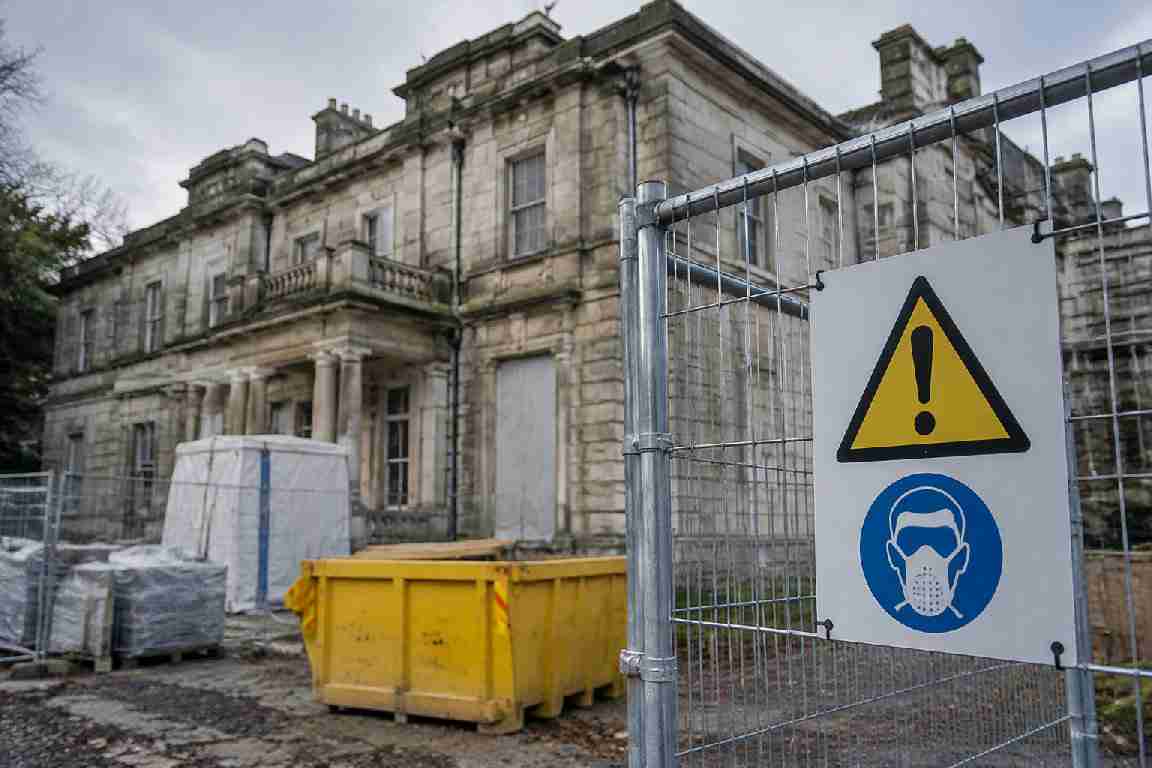
An asbestos removal plan has been approved as Wilmont House takes its first step towards regeneration, clearing the way for early site works at one of Belfast’s better-known large houses.
Initial work to begin the rejuvenation of Wilmont House has been approved, with the site now moving from paper plans to practical preparation. For anyone responsible for older buildings, the decision is a reminder that asbestos remains one of the first issues that has to be dealt with before wider refurbishment can safely get under way.
The approval covers early action to remove asbestos from the property, which is an essential precursor to any substantial repair or redevelopment work. In buildings of this type, the presence of legacy asbestos can shape the order of works, the scope of surveys and the way contractors are brought on to site.
Asbestos removal plan sets the pace for early works
Wilmont House, one of Belfast’s notable historic properties, is at the beginning of a longer rejuvenation process. Before any major construction or fit-out work can progress, the asbestos removal plan has been signed off, allowing the project to start with the controlled removal of material that could otherwise create serious exposure risks.
That matters because asbestos is rarely just a technical footnote in an old building project. It often determines whether rooms can be stripped out, whether hidden voids can be opened up and how much of the building can be safely accessed without specialist controls in place.
For building owners and project managers, that means asbestos cannot be treated as a task to be fitted in later. It has to be dealt with at the front end, before demolition, refurbishment or intrusive inspection work starts to gather pace.
Why the approval matters for older buildings
Many large houses, commercial premises and public buildings erected before modern asbestos controls were introduced still contain materials that may not be obvious at first glance. Pipe insulation, textured coatings, ceiling tiles, board products and hidden service areas can all present risks if they are disturbed without proper checking.
That is why a competent survey and a clear asbestos removal plan are usually central to any refurbishment strategy. If the survey information is incomplete, the project can slow down quickly once contractors uncover material that was not identified at the outset.
The practical impact is straightforward: the more carefully asbestos is mapped before work begins, the less likely the project is to suffer delays, emergency stop-work situations or poorly sequenced trades trying to work around each other. In older properties, that kind of planning can make the difference between a controlled programme and a messy one.
What dutyholders should take from this
For employers, landlords, responsible persons and facilities managers, the Wilmont House approval is a reminder that asbestos management is part of basic building control, not a standalone exercise. Whether a building is in use, vacant or being prepared for refurbishment, the dutyholder needs a clear picture of where asbestos may be present and what has been done about it.
That normally means maintaining survey records, updating them when buildings change use or are altered, and making sure contractors are given the right information before starting work. It also means taking care not to rely on old assumptions about what a building contains, particularly where several decades of repairs and alterations may have changed the structure beyond recognition.
“Initial work to begin the rejuvenation of one of the great houses of Belfast has been approved.”
In practice, the approval of an asbestos removal plan is often the point where a project stops being speculative and becomes manageable. Once the known asbestos risk is addressed, the rest of the refurbishment can be planned with less uncertainty, although intrusive works still need proper control and oversight.
Planning ahead avoids problems later
Projects involving older buildings tend to run into trouble when asbestos is treated as an afterthought. A quick survey carried out too late, or a contractor starting strip-out before the information is complete, can lead to avoidable disruption and added cost. It can also expose workers, occupants and visitors to unnecessary risk.
That is why experienced project teams usually build asbestos checks into the earliest stages of a scheme, especially where the building has been empty, partly occupied or only lightly maintained for some time. The same applies to heritage properties, where the pressure to preserve features can make the sequence of work more delicate.
Wilmont House is now at that first practical hurdle. With asbestos controls approved, the regeneration effort can begin on a safer footing, but the wider success of the project will still depend on careful sequencing, competent contractors and a firm grasp of what the building contains before anyone starts cutting, drilling or stripping back materials.