Explore this post with your favourite AI tool:


Share this article with AI tools to summarise, remember, or explore the content further.
Recent projections regarding legionnaires disease cases suggest that up to 6,000 people could be affected this year as warmer weather patterns increase the risk of bacteria growth in domestic and commercial water systems. This spike in potential infections highlights a growing challenge for those responsible for water safety and property maintenance across the UK.
Health experts and water safety specialists are warning that a combination of rising temperatures and ageing infrastructure could lead to a significant increase in the prevalence of Legionella bacteria. Estimates suggest that around three million UK homes may be at risk, particularly those with systems that have seen little maintenance or where water is allowed to stagnate during periods of low usage.
The severity of the situation is underlined by the clinical impact of the disease. Data indicates that between 7% and 12% of people who contract Legionnaires’ disease succumb to the infection. For facilities managers and landlords, these figures represent a sobering reminder that water hygiene is not merely a box-ticking exercise, but a critical life-safety responsibility.
Legionella bacteria thrive in warm water environments, typically between 20°C and 45°C. As the UK experiences more frequent periods of hot weather, maintaining cold water temperatures below 20°C becomes increasingly difficult. When these temperatures are combined with “dead legs” in pipework or infrequently used outlets, the conditions for bacterial colonisation become ideal.
Understanding the surge in legionnaires disease cases
The predicted rise in cases is often attributed to several factors beyond just the weather. Changes in how buildings are used—such as the shift toward hybrid working—mean that many office blocks and residential developments have areas where water usage is significantly lower than originally designed. This stagnation allows biofilm to build up on the internal surfaces of pipes, protecting bacteria from disinfectant treatments.
For those managing large property portfolios, the scale of the challenge is immense. In domestic settings, many residents are unaware of the risks posed by showerheads or garden hoses that have sat in the sun. In a commercial context, the focus often falls on cooling towers and complex HVAC systems, yet the majority of legionnaires disease cases are actually linked to smaller, more mundane water installations that have been overlooked during routine inspections.
The health risks are particularly high for vulnerable groups, including the elderly and those with underlying respiratory conditions. However, the mortality rate associated with the disease means that no demographic is entirely safe. This puts a heavy burden on dutyholders to ensure that their risk assessments are not only current but reflect the actual environmental conditions of the building.
Legal responsibilities for dutyholders and landlords
Under UK health and safety law, including the Health and Safety at Work etc Act 1974 and the COSHH Regulations, employers and those in control of premises have a clear duty to identify and control the risks of Legionella. The HSE’s Approved Code of Practice L8 remains the gold standard for compliance, yet many organisations still struggle to implement its requirements effectively.
The rising number of legionnaires disease cases serves as a prompt for a review of existing control measures. It is no longer enough to rely on a risk assessment conducted several years ago. Dutyholders must ensure that their water safety plans account for seasonal temperature fluctuations and changes in building occupancy. This includes regular temperature monitoring, flushing of infrequently used outlets, and ensuring that any remedial works identified in assessments are actually carried out.
Landlords, particularly in the social housing sector, face the added difficulty of accessing individual dwellings to perform checks or educate tenants. However, the legal expectation remains that the “responsible person” must take reasonable steps to mitigate risk. Failure to do so can result in significant legal consequences, especially if a cluster of infections is traced back to a specific property or system.
Practical steps for water safety management
To prevent a rise in legionnaires disease cases within a specific building, the first step is always a thorough and competent risk assessment. This should identify all potential sources of aerosol—such as showers, spray taps, and air conditioning units—and evaluate the effectiveness of current controls. If the building has been partially closed or has areas with low occupancy, a rigorous flushing regime should be implemented and documented.
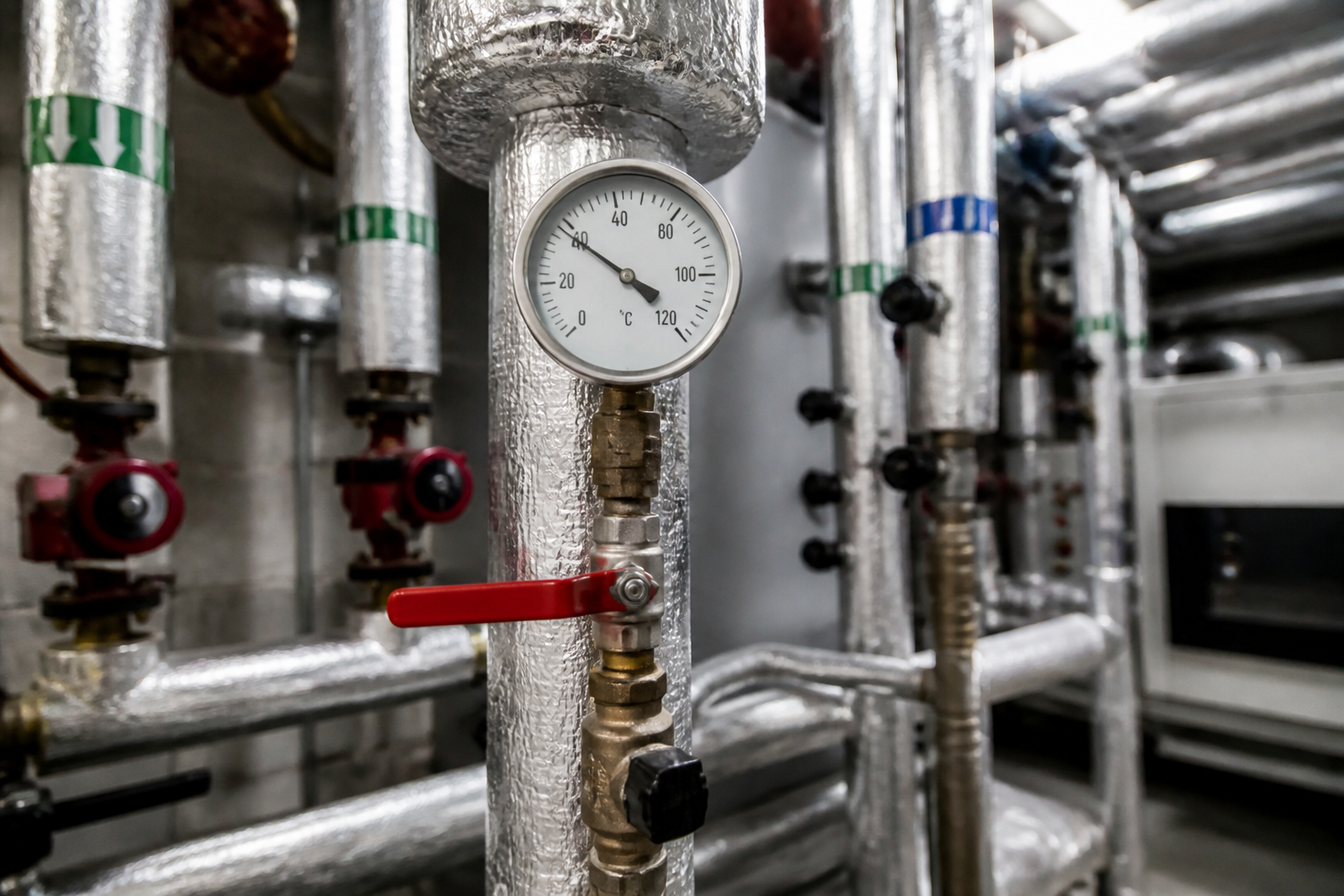
Temperature control is the primary method of management in the UK. Keeping hot water stored at 60°C and distributed so it reaches at least 50°C at the outlets is essential. Conversely, cold water must be kept cold. In modern buildings with high levels of insulation, cold water pipes running next to hot pipes can lead to “heat gain,” pushing cold water into the danger zone where bacteria thrive.
Training and competence are also vital. The person tasked with daily or weekly monitoring must understand why they are taking temperatures and what to do if the readings fall outside of the target range. Common failures often stem from a lack of communication between the person testing the water and the management team capable of instructing repairs.
As the climate continues to shift, the window of risk for Legionella is expanding beyond the traditional summer months. Proactive management and a commitment to maintaining water hygiene standards are the only ways to ensure that these predicted figures do not become a reality for UK businesses and residents.