Explore this post with your favourite AI tool:


Share this article with AI tools to summarise, remember, or explore the content further.
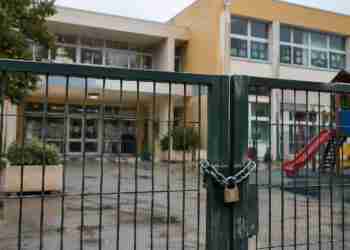
A legionella outbreak in a Palermo school has put contaminated water systems back under scrutiny, with around 1,200 pupils left without lessons while checks are carried out. The incident is a reminder for anyone responsible for buildings that water hygiene is not a paperwork exercise.
Concerns over contaminated pipework and stored water have again pushed Legionella into the spotlight in Italy, after a school in Palermo was affected and classes were disrupted. The problem was linked to the building’s water systems, which can create the right conditions for the bacteria to spread if they are not properly managed.
For UK dutyholders, the story is familiar. Schools, care homes, offices, leisure centres, hospitals and multi-occupied buildings all rely on water services that can harbour Legionella if temperatures drift, stagnant water builds up or routine controls are missed.
Why the legionella outbreak matters for building managers
Legionella bacteria are naturally present in water, but they become a risk when they multiply inside man-made systems such as tanks, showers, cooling towers and long pipe runs. People are usually exposed by breathing in droplets, not by drinking the water.
The illness most people associate with this type of exposure is Legionnaires’ disease, which can cause serious pneumonia. There is also a milder form known as Pontiac fever, but it is the more severe infection that keeps this topic high on the agenda for employers and property teams.
The exact conditions that allow a legionella outbreak are often mundane: water that is too warm, dead legs in pipework, infrequently used outlets, dirty tanks or poor temperature control. That is why the issue tends to surface in buildings that are busy one week and quiet the next, or where maintenance has slipped into a tick-box routine.
What happened in Palermo
The source report says the concern in Palermo centred on contamination in the water installation, with roughly 1,200 pupils unable to attend school while the issue was dealt with. The disruption shows how quickly a water hygiene problem can move from a technical fault to an operational one.
Even when no one has been confirmed as ill, a suspected legionella outbreak can shut down parts of a building, trigger remedial work and force managers to review how the site is being run. In schools and other public buildings, that means lost time, reputational damage and a sharp focus on whether previous inspections were thorough enough.
These are the kinds of situations where records matter. If a building owner or managing agent cannot show what checks have been done, when outlets were flushed, how temperatures were monitored and who signed off the work, it becomes much harder to demonstrate control.
The practical controls dutyholders should keep on top of
Legionella control is usually about steady, unglamorous maintenance rather than one-off interventions. Risk assessments need to reflect the actual building, not a generic template, and they should be updated when occupancy changes, parts of the system are altered or problems are found.
Good control measures typically include keeping hot water hot enough, cold water cold enough, removing dead legs, cleaning and disinfecting tanks where required, and making sure showers and little-used outlets are not forgotten. If a building has specialist systems such as cooling towers, they need their own tighter regime.
In practice, this is where many organisations fall short. The system may have been assessed years ago, but nobody has looked again after a refit, a change of tenant, a long closure or a switch in how the building is used.
“The exact conditions that allow a legionella outbreak are often mundane: water that is too warm, dead legs in pipework, infrequently used outlets, dirty tanks or poor temperature control.”
That matters because Legionella risks are often hidden until someone is exposed. By the time people notice a problem, the building may already have circulated contaminated water through showers, taps or other outlets used daily by staff, pupils, visitors or contractors.
What employers and landlords should take from it
For employers, landlords and responsible persons, the main lesson is that water hygiene sits alongside other core building risks such as fire safety, asbestos management and indoor air quality. It needs named responsibility, competent oversight and records that are easy to produce when asked for.
Facilities teams should check that monitoring is actually being done, not just scheduled. That includes temperature checks, routine flushing, tank inspections where applicable and follow-up after vacancies, shutdowns or repairs that disturb the water system.
Contractors also have a role. If a refurbishment affects pipework, storage or hot water distribution, the designer and principal contractor need to think about how the altered system will be used and maintained afterwards, not just how it is installed on the day.
Schools, healthcare settings, residential blocks and leisure premises tend to face the greatest scrutiny because they bring together vulnerable people, showers, stored water and high occupancy. But the underlying lesson is broader: any building with water systems can become a problem if no one is actively managing them.
As the Palermo case shows, a legionella outbreak does not need dramatic warning signs before it causes disruption. Often it starts with routine neglect, and the bill for that is paid later in closures, remedial work and avoidable risk to the people who use the building.