
Explore this post with your favourite AI tool:


Share this article with AI tools to summarise, remember, or explore the content further.
The risk of a legionella hospital outbreak remains a constant concern for estates managers, especially when bacteria are detected in sensitive areas like paediatric wards. Recent findings at the Ziekenhuis Oost-Limburg (ZOL) in Genk serve as a reminder of how rigorous testing protocols are essential for protecting vulnerable patient groups.
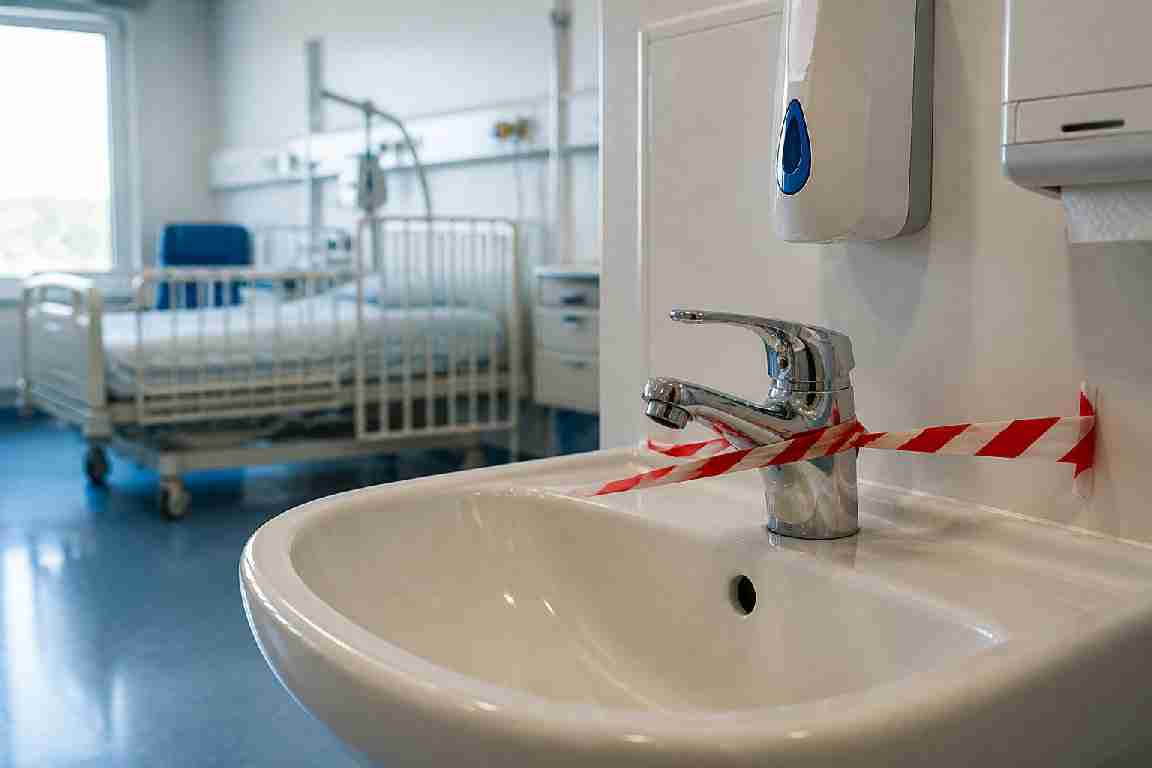
Routine water sampling at the ZOL campus in Sint-Jan revealed an elevated concentration of Legionella bacteria at a specific water outlet within the hospital’s paediatric department. Hospital management acted immediately by decommissioning the affected water point to eliminate any risk of aerosolization and subsequent infection among young patients and staff.
According to hospital spokespersons, the discovery was made during a scheduled round of preventive maintenance and water quality monitoring. This proactive approach is designed to catch bacterial growth before it reaches levels that could lead to a clinical legionella hospital outbreak. The hospital confirmed that no patients have shown symptoms of Legionnaires’ disease, and the closure of the single outlet has not disrupted the wider operations of the children’s ward.
Rapid response to prevent a legionella hospital outbreak
The detection of Legionella in a healthcare setting necessitates an immediate and structured response. In this instance, the hospital’s technical team implemented a “point-of-use” restriction, effectively isolating the contaminated tap. This is a standard first-line defence in many European healthcare facilities, preventing the creation of contaminated water droplets through splashing or showering.
Specialist water treatment contractors have been brought in to conduct a thorough disinfection of the local pipework. This usually involves thermal disinfection—flushing the system with water at temperatures high enough to kill the bacteria—or chemical shock dosing. Following these remedial works, the hospital will be required to carry out follow-up sampling to ensure the bacteria count has returned to safe levels before the outlet is returned to service.
For UK-based estates and facilities managers, the situation at ZOL mirrors the challenges faced under the HSE’s ACoP L8 and HSG274 guidelines. Hospitals are considered high-risk environments because the occupant population is often immunocompromised. A legionella hospital outbreak in such a setting can have a much higher mortality rate than in general commercial or residential buildings.
Lessons for healthcare estates and compliance managers
The fact that the bacteria were caught during a routine check highlights the importance of a robust written scheme of control. When Legionella is found in a paediatric or intensive care unit, the pressure on the “Responsible Person” and the Water Safety Group (WSG) intensifies. It is not just about the technical fix; it is about the documented evidence that the system was being monitored correctly.
One of the primary causes of colonisation in hospital wards is “dead legs” or low-use outlets. In paediatric wards, certain sinks or showers may go unused for several days depending on patient numbers. Stagnant water, combined with the complex, often aged plumbing systems found in many large hospitals, provides an ideal breeding ground for the bacteria if temperatures are not strictly managed.
Ensuring that a legionella hospital outbreak does not occur requires more than just testing. It demands a culture of physical flushing and temperature monitoring. If an outlet is not being used, it must be flushed at least weekly—and in high-risk zones, often daily—to ensure that the biocides in the water remain effective and that the water does not reach the “danger zone” between 20°C and 45°C.
The ZOL incident also raises the question of communication. Transparency is key when dealing with water safety in public buildings. By acknowledging the presence of the bacteria early and explaining the steps taken to mitigate the risk, the hospital has managed to maintain public trust. For UK dutyholders, this reinforces the need for a pre-planned incident response strategy that includes clear communication lines for staff, patients, and visitors.
While the situation in Genk appears to be under control, the facility will remain under heightened surveillance. The technical department is currently investigating whether the contamination was localised to that specific tap or if there are broader issues with the recirculating hot water system. Until the results of the second round of testing are confirmed, the affected area will remain restricted, ensuring that the threat of a potential legionella hospital outbreak is fully neutralised.



