Explore this post with your favourite AI tool:


Share this article with AI tools to summarise, remember, or explore the content further.
Health officials have confirmed a significant legionella outbreak hotel incident in Reggio Calabria, leading to the immediate closure of a prominent local hospitality business. The discovery of high concentrations of the bacteria within the property’s water system has triggered an emergency response from municipal leaders to protect public health.
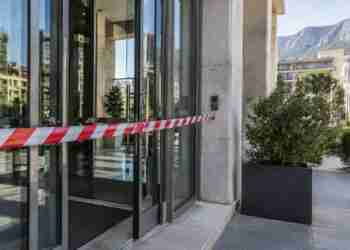
Following the detection of levels far exceeding safety thresholds, the Mayor of Reggio Calabria, Francesco Cannizzaro, issued an urgent decree to shut down the hotel operations. The decision follows a series of laboratory tests that confirmed the presence of the pathogen in the building’s internal plumbing and water distribution networks.
The intervention by local authorities came after routine monitoring or reports of illness—details of which are still emerging—prompted a formal inspection. While the exact number of individuals affected has not been fully disclosed, the severity of the contamination necessitated a total suspension of services to prevent guests and staff from inhaling contaminated aerosols.
Italian health inspectors are currently working to trace the source of the colonisation within the hotel’s infrastructure. Initial findings suggest that the water management plan may have been insufficient to handle the complexities of the building’s specific pipework or occupancy patterns.
Risk management lessons from the legionella outbreak hotel case
For UK facilities managers and building owners, this legionella outbreak hotel event serves as a stark reminder of how quickly a compliance failure can escalate into a full business closure. While this specific incident occurred in Italy, the biological risks and the engineering challenges involved are identical to those faced by dutyholders in the UK.
Under the Health and Safety at Work etc. Act 1974 and the specific requirements of the COSHH Regulations, UK employers and landlords must manage the risk of exposure to Legionella. The primary guidance, ACOP L8, and the technical manual HSG274, dictate that hot and cold water systems must be maintained in a way that prevents bacterial proliferation.
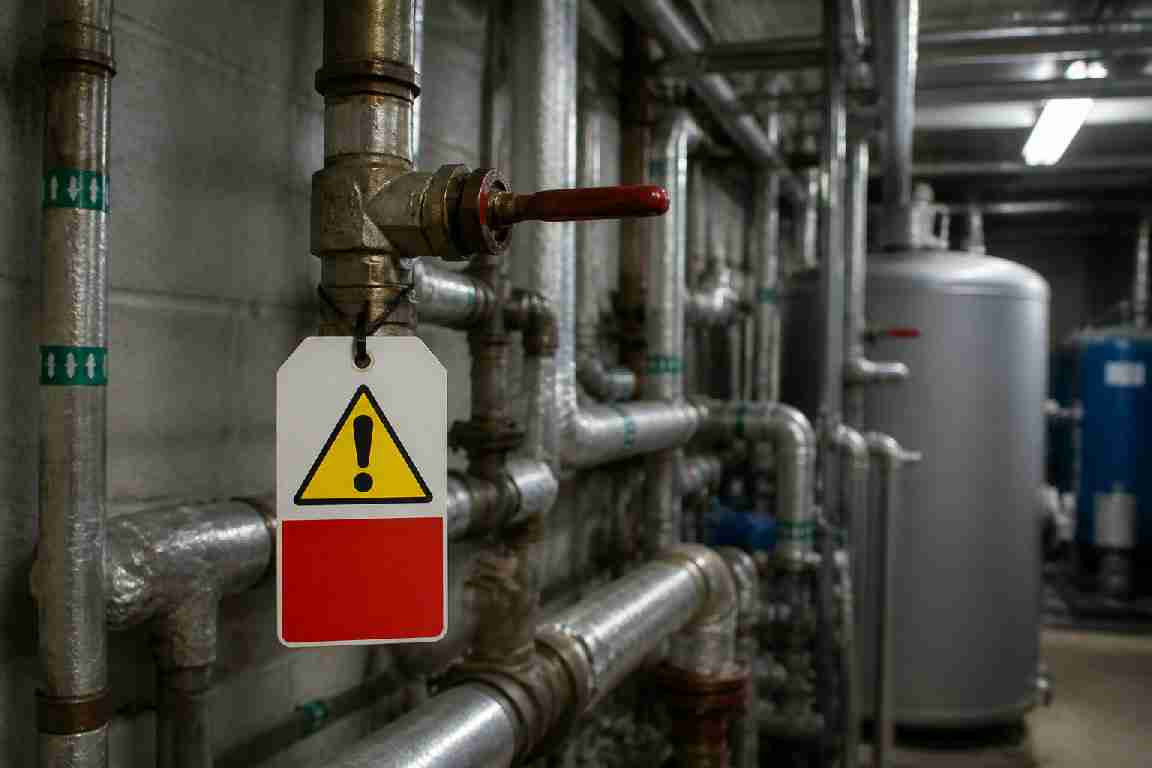
Hotels are notoriously high-risk environments because of their complex plumbing, large number of outlets, and seasonal fluctuations in occupancy. If a wing of a hotel remains empty for even a few days, water stagnation occurs. Without a robust flushing regime, these conditions become the perfect breeding ground for Legionella pneumophila.
The sudden closure in Reggio Calabria highlights that enforcement isn’t just about fines; it is about the immediate loss of revenue and reputation that follows a prohibition notice or its international equivalent. When a legionella outbreak hotel scenario hits the headlines, the damage to the brand can be far more costly than the remediation works themselves.
Compliance teams should note that temperature control remains the traditional first line of defence. Keeping cold water below 20°C and storing hot water at 60°C (distributing at 50°C or higher) is the baseline requirement. However, as many ageing hotel buildings struggle with “dead legs” and poor insulation, temperature alone is often not enough to guarantee safety.
The situation in Italy suggests that the local authority was left with no choice but to intervene when the risk to the public became untenable. In the UK, the HSE or Local Authority Environmental Health Officers have similar powers to shut down systems or entire premises if they believe there is a risk of serious personal injury.
For those managing similar properties, this case underscores the need for a live, regularly reviewed Legionella risk assessment. It is not a document to be filed away and forgotten; it must reflect the current state of the building’s use. If occupancy levels change, or if maintenance staff are reduced, the risk profile of the water system changes instantly.
Regular sampling and testing, although not always a legal requirement for every simple system, become essential in high-risk settings like hotels. The presence of the bacteria at levels high enough to trigger a government-mandated closure usually indicates a systemic failure in the water treatment or monitoring regime over an extended period.
Moving forward, the hotel in Reggio Calabria will likely be required to undergo a full system disinfection, potentially involving thermal shock treatment or chemical dosing. Only once follow-up samples show that the bacteria have been eradicated—and the underlying causes addressed—will the Mayor allow the doors to reopen to the public.
Ultimately, this legionella outbreak hotel incident is a warning for any responsible person who oversees a complex water system. Maintaining compliance is not just a paperwork exercise; it is a critical operational function that protects both the lives of the guests and the viability of the business.