Explore this post with your favourite AI tool:


Share this article with AI tools to summarise, remember, or explore the content further.
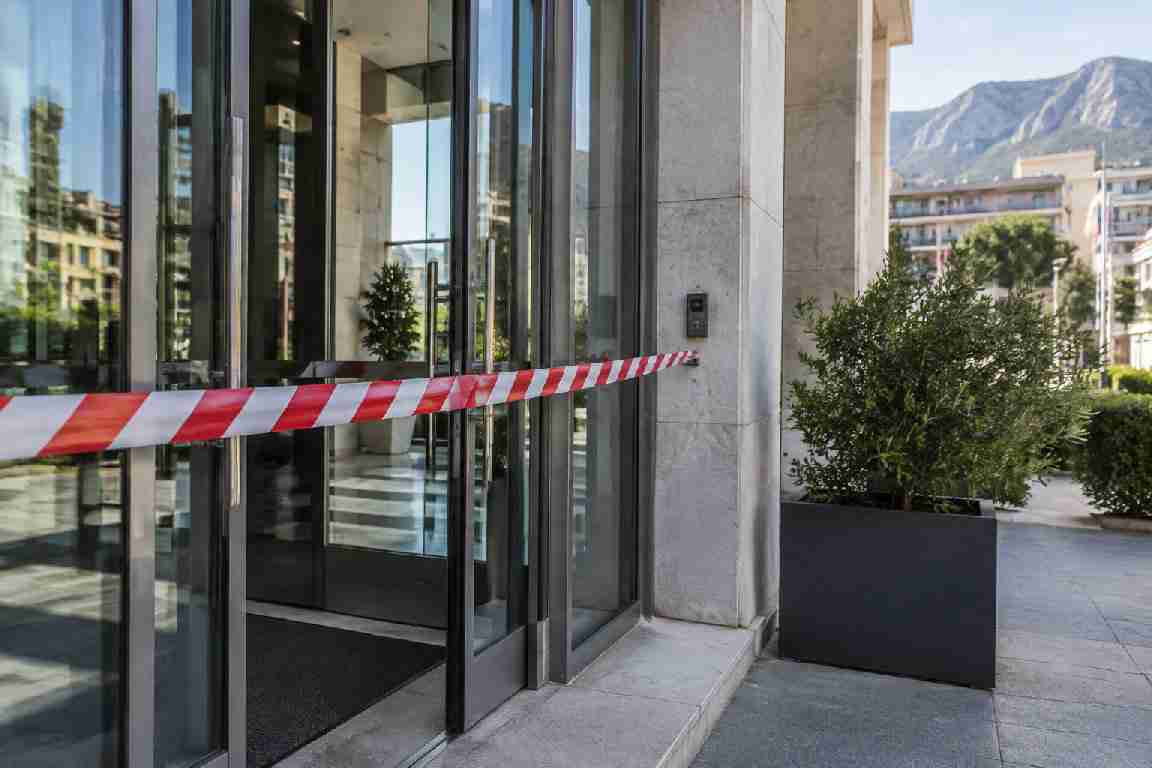
A legionella outbreak has prompted the closure of the regional Energy department offices in Palermo, with staff moved to remote working while checks and remedial work are carried out.
The bacterium was found during water testing at the authority’s premises in viale Campania, leading to the offices being shut from today until the problem is resolved.
For UK dutyholders, the case is another reminder that water systems cannot be left on autopilot. A positive result from routine microbiological analysis needs a quick, organised response, especially where tanks, stored water or poorly used pipework may allow Legionella to multiply.
Legionella outbreak leads to office closure in Palermo
According to the report, the contamination was identified in the building’s water cistern after bacteriological analysis. Once the result came back, the offices were closed and employees were instructed to work from home while the issue is dealt with.
The immediate concern in any legionella outbreak is exposure through aerosolised water, which can be created by taps, showers, cooling systems and other water outlets. Even where nobody is known to have become ill, the presence of the bacterium in a workplace water supply is enough to trigger a precautionary response.
That is particularly relevant for buildings with storage tanks, intermittent occupancy or older water systems. Those are the places where stagnation, temperature drift and maintenance gaps can quickly turn into a compliance problem as well as a health risk.
Why this matters for buildings and workplaces
For UK employers, landlords and facilities managers, the practical lesson is straightforward: testing is only one part of legionella control. If a result indicates contamination, the response has to be tied to the risk assessment, the water system layout and the way the building is actually used.
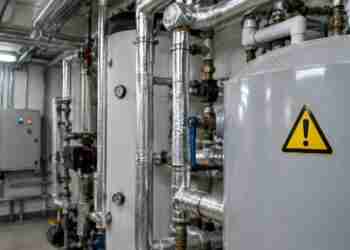
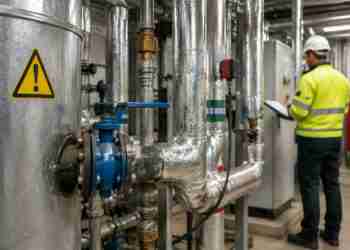
In offices, that may mean isolating parts of the system, increasing flushing, reviewing hot and cold water temperatures, checking tanks and calorifiers, and bringing in competent specialists to investigate where the problem is coming from. The key is not to assume a one-off clean-up will be enough if the underlying conditions remain.
A legionella outbreak can also create wider operational problems. Closing an office, moving staff to home working and arranging remedial work all come with cost and disruption, but those are usually preferable to leaving a suspect water system in service.
What dutyholders should be looking at
While this incident took place in Italy, the compliance issues will be familiar to UK readers. Anyone with control of premises should know where stored water is kept, how often outlets are used, what the normal temperature profile looks like and who is responsible for acting when monitoring shows a problem.
That means keeping records that are current and usable, not buried in a file and forgotten. It also means making sure the people carrying out checks understand what they are looking at, and when to escalate findings rather than just tick a box.
“The presence of the bacterium was detected during bacteriological analysis.”
That single line underlines a common reality in building management: problems are often found before anyone notices a smell, stain or illness. Waiting for visible signs is usually the wrong approach, especially in systems where water sits unused for long periods or where the building has had changes in occupancy.
For responsible persons, employers and landlords, the immediate lesson is to keep legionella control linked to the real condition of the water system, not just the paperwork. Where a test result comes back positive, the next steps should be prompt, documented and proportionate to the risk, with the building’s use kept under review until the source has been dealt with.
The Palermo closure shows how quickly a routine water sample can turn into a live management issue. For anyone responsible for offices, public buildings or tenanted property, that is exactly the point at which a legionella outbreak stops being a technical finding and becomes a facilities and health and safety decision.