
Explore this post with your favourite AI tool:


Share this article with AI tools to summarise, remember, or explore the content further.
Efforts to reduce the asbestos death toll are under renewed scrutiny as local data reveals the substance claims almost as many lives as road accidents across the Somerset towns of Wells, Glastonbury, and Shepton Mallet.
Recent figures have highlighted a sobering reality for local authorities and building dutyholders, showing that the legacy of asbestos in public and commercial buildings continues to result in significant mortality rates. The data suggests that despite decades of regulation, the historical presence of asbestos-containing materials (ACMs) remains one of the most persistent occupational and environmental health challenges in the region.
While road safety often dominates public health discourse and local council agendas, the hidden danger of asbestos fibres is proving just as lethal in the long term. Because of the lengthy latency period associated with diseases like mesothelioma and asbestos-related lung cancer, the deaths recorded today are often the result of exposures that occurred thirty or forty years ago. However, the prevalence of the material in the local building stock means the risk is far from a thing of the past.
Understanding the local asbestos death toll and building legacy
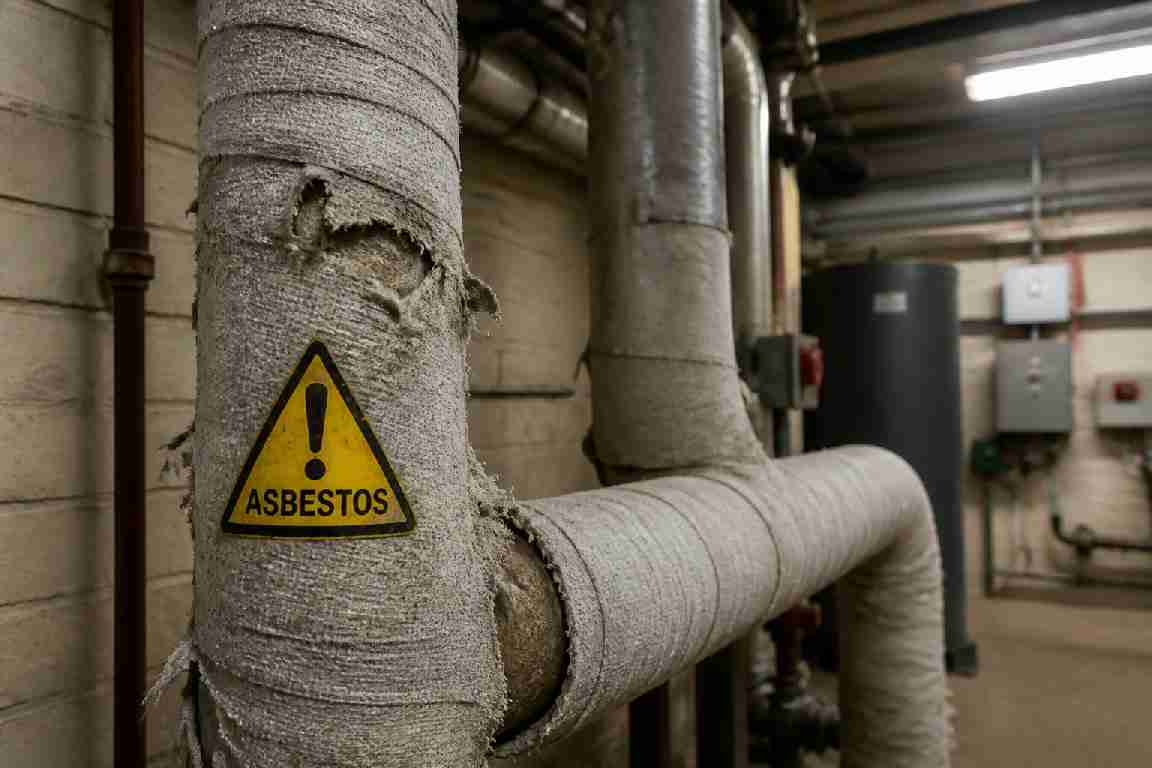
The comparison to road traffic fatalities serves as a stark reminder for those managing property portfolios in Somerset. In older market towns like Wells and Glastonbury, a high proportion of the public building stock—including schools, hospitals, and municipal offices—predates the 1999 ban on all forms of asbestos. This creates a complex management environment for facilities teams and local government dutyholders who must ensure these materials remain in a safe condition.
The figures indicate that the asbestos death toll is not merely a relic of heavy industry or shipbuilding, sectors traditionally associated with the crisis. Instead, it reflects a broader environmental risk where maintenance workers, teachers, and office staff may have been exposed to deteriorating materials in everyday working environments. For compliance managers, this reinforces the fact that “out of sight” should never mean “out of mind” when it comes to ACMs.
Health and safety professionals note that while the annual number of road deaths is often met with immediate calls for infrastructure changes, the slow-burning nature of asbestos disease can lead to a sense of complacency. The data suggests that the scale of the tragedy in Somerset is equivalent to a major transport safety crisis, yet the interventions required are often hidden within maintenance budgets and long-term management plans.
Managing the ongoing risk in public and commercial property
For those responsible for building safety, the primary focus remains the Control of Asbestos Regulations 2012 (CAR 2012). The “duty to manage” requires an active, live assessment of where asbestos is located and what condition it is in. It is not enough to simply have a survey gathering dust on a shelf; the risk must be actively monitored, especially in high-footfall public buildings where accidental damage is a constant possibility.
The current asbestos death toll is a lagging indicator of past failures, but it also serves as a warning for current building owners. If ACMs are allowed to degrade or are disturbed during minor refurbishments without proper controls, the cycle of exposure continues. This is particularly relevant in older properties where decades of layered renovations can make identifying the material difficult without thorough, intrusive surveys.
Contractor management is another critical area highlighted by these findings. Many exposures occur when tradespeople—plumbers, electricians, or IT cabling installers—work on a building without being provided with the asbestos register. Ensuring that every person who steps onto a site is aware of the risks is fundamental to preventing further additions to the asbestos death toll in the coming decades.
The challenge for dutyholders in Somerset
Landlords and employers in the Wells and Glastonbury areas must reconcile the need for modern, efficient workspaces with the reality of an aging, asbestos-affected building stock. The cost of removal is often prohibitive, leading many to opt for “encapsulation” and management in situ. While this is a legally compliant strategy, it requires a high level of administrative rigour to ensure the material is not disturbed during its remaining lifespan.
The local figures reflect a national trend where the Health and Safety Executive (HSE) continues to see asbestos-related diseases as the single greatest cause of work-related deaths in the UK. By comparing these figures to road accidents, local advocates are pushing for a more proactive approach to removal, particularly in sensitive environments like schools, where the potential for long-term exposure is a significant concern for parents and staff alike.
Ultimately, the high asbestos death toll in these Somerset communities serves as a call to action for improved transparency and better resource allocation for asbestos management. As buildings continue to age, the risk of fibre release through natural deterioration increases, making the role of the competent person and the accuracy of the asbestos management plan more vital than ever for public safety.



