
Explore this post with your favourite AI tool:


Share this article with AI tools to summarise, remember, or explore the content further.
Developing a genuine workplace safety culture is more than just a regulatory box-ticking exercise for UK employers and facilities managers. It represents a fundamental shift from viewing health and safety as a burden to seeing it as an essential component of operational performance and employee wellbeing.
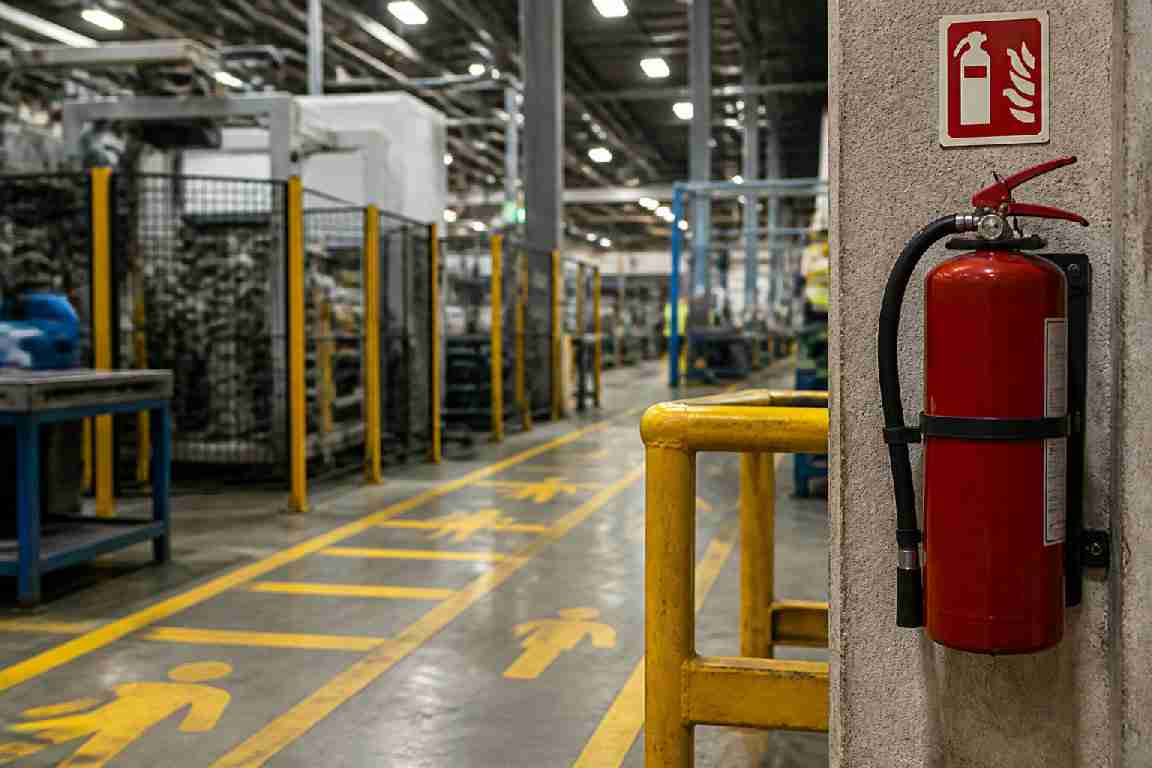
Recent industry discussions have highlighted that the visual trappings of safety—PPE, signage, and floor markings—often mask deeper systemic issues. While these physical controls remain vital, they are merely the surface layer of a much more complex organisational requirement. For those responsible for property and people, the challenge lies in moving beyond the “hard hat” mentality towards a more integrated approach to risk management.
A frequent error in UK workplace management is the assumption that compliance automatically equates to safety. In reality, a business can have a comprehensive suite of risk assessments and polished policy documents while still operating a dangerous site. This gap usually exists because the formal health and safety management system has not been successfully embedded into the daily habits and mindset of the workforce.
To bridge this gap, leadership must be visible. It is difficult to convince a site team to take manual handling or chemical storage seriously if senior management only visits the shop floor with a checklist in hand, looking for faults rather than solutions. Authentic safety management requires a move towards psychological safety, where staff feel empowered to report near-misses or challenge unsafe practices without fear of reprisal or being seen as a “troublemaker.”
Building a resilient workplace safety culture through engagement
Creating a stable workplace safety culture requires a strategy that goes beyond the annual training session. It involves constant communication and the inclusion of employees in the decision-making process. When workers are consulted on the equipment they use or the layout of their workspace, they are more likely to adhere to the controls put in place because they understand the practical reasoning behind them.
For those in compliance and facilities management, the focus should be on the “why” rather than just the “what.” Instead of simply issuing a directive on fire door protocols or Legionella monitoring, explain the specific risks being mitigated. This transparency builds trust. When employees understand that a policy is there to protect their health rather than just to satisfy an insurance auditor, engagement levels naturally rise.
Feedback loops are also essential. If a contractor reports a defect and it isn’t fixed for six months, the message sent to the workforce is that safety is a secondary priority. Prompt action on reported hazards is one of the most effective ways to demonstrate that the organisation takes its duty of care seriously. It reinforces the idea that safety is a shared responsibility rather than an external imposition from the HSE or a head-office consultant.
The impact of a poor workplace safety culture can be devastating, extending far beyond the immediate risk of injury. It often correlates with high staff turnover, low morale, and increased absenteeism. Conversely, businesses that prioritise a safe environment often see improvements in productivity. A worker who feels safe and supported is generally more focused and efficient than one distracted by avoidable hazards or a chaotic working environment.
From a compliance perspective, the legal implications are clear. The Health and Safety at Work etc. Act 1974 places a duty on employers to ensure, so far as is reasonably practicable, the health, safety, and welfare of their employees. However, enforcement often focuses on the “management of health and safety,” which inherently includes the culture of the organisation. If an incident occurs and the subsequent investigation reveals a culture of “cutting corners” that was tolerated by management, the legal consequences under the Sentencing Guidelines can be significantly more severe.
Facilities managers and building owners should also look at the physical environment as a tool for cultural change. Well-maintained buildings, clear lighting, and tidy communal areas are subtle cues that an organisation values its people and its property. A cluttered, poorly maintained site suggests a lax attitude towards all forms of compliance, which can inadvertently encourage staff to take risks in their own tasks.
Ultimately, a robust workplace safety culture is not something that can be bought or installed like a new HVAC system. It is a long-term project that requires consistency from the top down and the bottom up. By moving health and safety from the periphery of the business into its core operations, dutyholders can move beyond “staying out of trouble” and towards a sustainable, high-performing workplace.
As the UK regulatory landscape continues to evolve, particularly with the introduction of the Building Safety Act and stricter oversight from the BSR, the ability to demonstrate a proactive culture will become even more critical. Documentation will always be necessary, but the lived experience of the workforce is what truly defines an organisation’s safety standing in the modern health and safety landscape.