Explore this post with your favourite AI tool:


Share this article with AI tools to summarise, remember, or explore the content further.
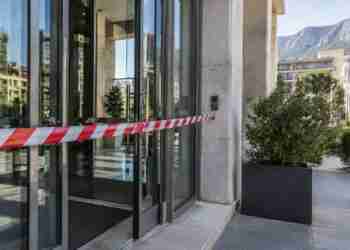
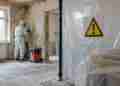
A legionella outbreak has been flagged at a hospital in Kisvárda after routine water testing found the bacterium in the system, prompting the water supply to be shut off.
Routine water quality checks at Szent Damján Greek Catholic Hospital in Kisvárda identified the presence of legionella bacteria, according to the report. The hospital has since isolated the water supply while further steps are taken.
The finding matters well beyond one site. Any legionella outbreak in a healthcare setting immediately raises questions about water system control, flushing regimes, temperature management and whether the building’s risk assessment is up to date.
legionella outbreak detected during routine testing
The bacteria were reportedly picked up during standard monitoring rather than after illness was reported. That is significant, because regular sampling is meant to catch a problem before it turns into a wider exposure issue.
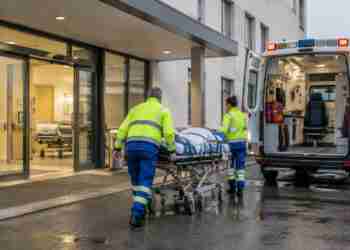
Closing off the water supply is a strong early control measure, though it can create its own operational headaches in a hospital. Clinical areas still need water for patient care, cleaning, hygiene and general building use, so facilities teams usually have to move quickly to put temporary arrangements in place.
The source report gives limited detail on the extent of contamination or the corrective work now underway. Even so, the basic sequence is familiar: test, isolate, investigate, then recommission only once the system is considered safe.
Why water system control matters
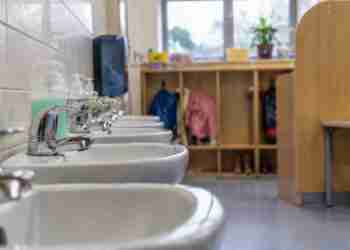
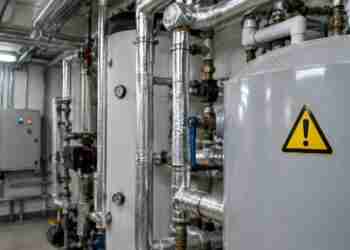
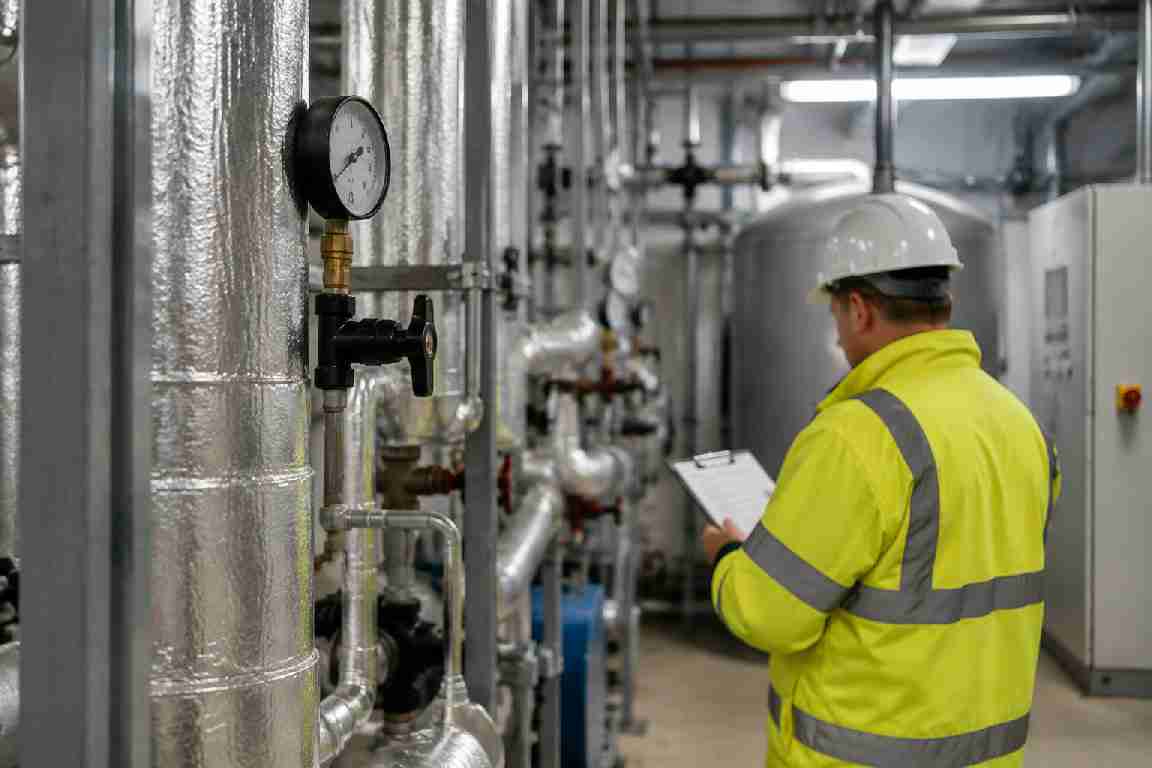
Legionella grows in water systems where conditions allow water to sit, warm up or stagnate. In large or complex buildings, that can include storage tanks, showers, dead legs, seldom-used outlets and parts of the system that do not get flushed often enough.
For hospitals, care settings, hotels, schools and other occupied buildings, the practical risk is not just the presence of the bacteria but the management failure that lets it multiply. A legionella outbreak is often less about one bad sample and more about a system that has not been properly maintained, monitored or reviewed.
That is why records matter. Dutyholders and responsible persons need to be able to show that they understand where the risks are, what controls are in place and whether those controls are actually being checked in practice.
What this means for dutyholders
For facilities managers and building operators, the case is a reminder that water safety cannot be treated as a box-ticking exercise. Sampling on its own is not enough if temperature checks, flushing, descaling, cleaning and corrective actions are inconsistent or poorly recorded.
Where a legionella outbreak or suspected contamination is identified, the immediate response usually has to be practical and site-specific. That may mean restricting use of outlets, isolating parts of the system, bringing in specialist contractors, and keeping clear records of what has been done and why.
In occupied premises, communication is also part of control. Staff, patients, contractors and other users may need to know which areas are affected, what alternative arrangements are in place and when the system is expected to return to normal service.
Routine water quality checks at Szent Damján Greek Catholic Hospital in Kisvárda identified the presence of legionella bacteria, according to the report.
For employers and landlords outside healthcare, the lesson is the same even if the setting is less sensitive. A workplace or rented building with weak water management can still create avoidable exposure, particularly in showers, little-used washrooms or plant rooms that have been neglected.
The value of a proper risk assessment is that it should identify where the system is vulnerable and what control measures are needed, rather than waiting for a problem to surface. Where there has already been a legionella outbreak, or a positive sample, the review needs to be more than routine paperwork.
What happens after the initial response
Once a site has isolated the system, the next steps usually depend on the building layout, the extent of contamination and the nature of use. In a hospital, that can involve coordinated work between clinical staff, estates teams, contractors and specialist microbiology support.
Before water services are brought back into normal use, the system generally needs to be cleaned, treated and retested as appropriate. The key issue for any responsible person is to avoid reopening outlets too soon or assuming that one round of treatment has solved the problem.
The Kisvárda case is a reminder that routine checks only work when they are backed by maintenance discipline. For those running complex buildings, a legionella outbreak is often the visible end point of a much longer chain of missed inspection, poor monitoring or inadequate follow-up.