Explore this post with your favourite AI tool:


Share this article with AI tools to summarise, remember, or explore the content further.
Health officials are monitoring the risk of a legionella outbreak following the discovery of the bacteria in a prominent school district headquarters. The incident has sparked immediate safety concerns for workers and visitors, highlighting the persistent risks associated with building water systems that have fallen below required safety standards.
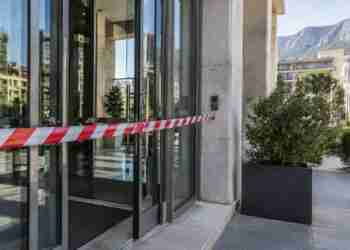
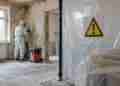
The discovery was made at the St. Louis Public Schools (SLPS) administrative offices building, where testing confirmed the presence of the bacteria in the water supply. According to reports from the district, the building has been closed to staff while remediation efforts are carried out. This proactive closure is intended to prevent any cases of Legionnaires’ disease, a severe and potentially fatal form of pneumonia caused by breathing in small droplets of water containing the bacteria.
The situation in the downtown area has been further complicated by a significant infrastructure failure nearby. A massive sinkhole opened up just blocks away from the administrative building, raising questions about the stability and integrity of the local water distribution network. Local engineering teams are currently investigating whether the ground collapse and the subsequent pressure changes in the water mains contributed to the spike in bacterial levels or if the issues are entirely internal to the building’s plumbing.
For UK facilities managers and building owners, this incident serves as a stark reminder of how quickly water quality can degrade. Stagnation is often the primary driver for bacterial growth, particularly in large, complex buildings where occupancy levels might fluctuate. When water is allowed to sit in pipes at temperatures between 20°C and 45°C, the risk of a legionella outbreak increases significantly as the bacteria multiply and biofilm begins to coat the internal surfaces of the pipework.
Infrastructure failure and the risk of a legionella outbreak
While the immediate focus is on the school district’s headquarters, the presence of the nearby sinkhole adds a layer of complexity that many dutyholders often overlook. Large-scale disruptions to the external water supply—such as water main bursts, significant leaks, or repair work—can introduce sediment or cause pressure drops that dislodge existing biofilm within a building’s internal system. This can overwhelm regular secondary disinfection measures and lead to positive test results.
In the UK, the HSE’s Approved Code of Practice L8 (ACoP L8) and the accompanying HSG274 guidance make it clear that the “responsible person” must consider external factors that might impact their risk assessment. While a sinkhole is an extreme example, any work by a water undertaker that disrupts the supply should be a trigger for facilities teams to monitor their systems more closely. It is not enough to simply assume the incoming water is “safe” if the local network is experiencing mechanical stress or repairs.
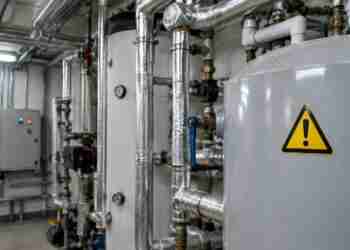
The SLPS administration confirmed that they are working with environmental consultants to flush the system and implement a disinfection regime. This usually involves hyperchlorination or thermal disinfection, where water is heated to temperatures above 60°C and circulated through every outlet for a sustained period. However, professionals in the sector know that “slug” dosing or one-off flushes are often temporary fixes if the underlying cause of the colonization isn’t addressed.
For those managing UK commercial properties, the management of legionella is a continuous legal duty under the Health and Safety at Work etc. Act 1974 and the COSHH Regulations. The goal is not just to react when a legionella outbreak occurs in a neighbouring building or within your own walls, but to maintain a regime that makes the environment inhospitable for the bacteria in the first place. This includes regular temperature monitoring, ensuring that “dead legs” in the plumbing are removed, and that cold water storage tanks are kept clean and covered.
The psychological impact on employees cannot be ignored either. News of a potential legionella outbreak often leads to significant anxiety among the workforce. In the St. Louis case, the decision to vacate the building was likely as much about maintaining staff confidence as it was about physical safety. Transparent communication with stakeholders about the steps being taken—such as the frequency of testing and the results of remediation—is a critical part of the compliance process.
This incident also highlights the risks associated with older buildings that may have oversized water storage or complex, aging pipework. As buildings age, the risk of corrosion and scale increases, providing the perfect nutrients for legionella to thrive. Following any significant discovery of the bacteria, a total review of the existing legionella risk assessment is a standard requirement. The assessment should be a living document, updated whenever there is a change to the system or a reason to suspect it is no longer valid.
As the remediation continues at the St. Louis headquarters, the focus remains on the intersection between municipal infrastructure and building-level safety. Facilities professionals should take this as a prompt to check their own records. If your last risk assessment was conducted more than two years ago, or if there have been significant changes to your building’s occupancy or local water supply, now is the time to review your control measures. Waiting for a positive test result or a local infrastructure failure is a high-risk strategy that puts both lives and legal standing at risk.