Explore this post with your favourite AI tool:


Share this article with AI tools to summarise, remember, or explore the content further.
The wellbeing champions initiative at Malta International Airport is being launched as part of a wider programme to mark European Week for Health and Safety at Work, with staff-led activity placed at the centre of the effort.
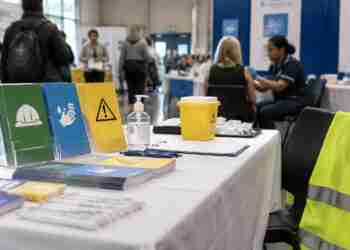
Malta International Airport is using this year’s European Week for Health and Safety at Work to put employee wellbeing and workplace engagement in the spotlight. The airport has lined up a series of initiatives under the theme People who Make a Difference, with the wellbeing champions initiative forming the main action.
The move is aimed at recognising the role staff play in day-to-day safety and wellbeing across a busy transport environment. In an airport setting, where large numbers of workers, contractors, passengers and service providers move through the site every day, small changes in behaviour and communication can have a direct impact on how risks are managed.
Wellbeing champions initiative puts staff at the centre
While the source material gives limited detail on the individual activities involved, the emphasis is clear: the programme is intended to highlight people rather than procedures alone. That matters in sectors like aviation, facilities management and property operations, where safety systems only work properly if the workforce understands them, uses them and feeds back on where they are falling short.
A wellbeing champions initiative typically depends on employees being able to spot issues early, raise concerns informally and encourage safer habits among colleagues. For employers and site operators, that can help surface problems that do not always show up in formal audits, such as stress, fatigue, poor shift patterns or practical obstacles on the ground.
Used well, this sort of scheme can complement existing risk assessments, training and reporting arrangements. It is not a substitute for management control measures, but it can strengthen the day-to-day culture around them, particularly in workplaces that rely on multiple teams and contractors working side by side.
Why the programme matters for health and safety management
The airport’s campaign sits within a broader European week focused on workplace health and safety, which is often used by organisations to refresh internal engagement and remind staff of expectations. For dutyholders, the value is not in the publicity alone but in whether the message reaches the people carrying out the work.
That is especially relevant in environments with operational pressure. Airports, logistics hubs, large estates and other complex sites can be unforgiving if routine issues are missed: access controls, housekeeping, vehicle movements, fatigue, welfare standards and contractor coordination all need constant attention. A wellbeing champions initiative can help keep those issues visible between formal inspections.
There is also a practical compliance angle. Employers and those managing premises are expected to maintain safe systems of work, but the day-to-day reality often depends on supervisors and trusted peers spotting concerns before they become incidents. Staff-led schemes can support that early intervention, provided they are backed by proper management action.
What dutyholders can take from the example
For facilities managers, landlords, employers and responsible persons, the airport’s approach is a reminder that communication matters as much as policy paperwork. A campaign about wellbeing will only carry weight if employees believe concerns will be listened to and acted on, rather than filed away and forgotten.
In practice, that means any wellbeing champions initiative needs clear terms of reference, visible support from managers and a route for issues to be escalated. Champions should not be left carrying problems they cannot resolve themselves. They need access to the right people, whether that is HR, health and safety, occupational health or line management.
It also needs to fit the site’s actual risks. A scheme in an office block will look different from one in a terminal, warehouse or multi-occupied building. The issues raised may range from mental health and workload to welfare facilities, lone working, slips and trips, or the interaction between contractors and building users.
For organisations managing occupied premises, this kind of initiative can be useful beyond employee wellbeing alone. It can improve reporting around maintenance defects, poor signage, unsafe behaviours and overlooked operational problems, all of which feed into wider compliance performance.
European Week as a prompt for closer review
The timing of the campaign is also significant. European Week for Health and Safety at Work is often used by employers to refocus attention on prevention, consultation and participation rather than just inspection and enforcement. That approach can be particularly useful where routines have become established and risks are being managed on autopilot.
In that sense, the wellbeing champions initiative is less about a one-off event than about building habits. If staff are encouraged to speak up, share concerns and look out for one another, the business gets a better chance of spotting weak points before they turn into accidents, stress-related absences or operational disruption.
For dutyholders across the UK built environment, that is a familiar lesson. Compliance works best when the formal system and the workforce culture point in the same direction, and when people on the ground feel they have a role in keeping the workplace safe as well as productive.
Malta International Airport’s programme places that idea at the centre of its week of activity, with People who Make a Difference used as the organising message behind the wider campaign.