Explore this post with your favourite AI tool:


Share this article with AI tools to summarise, remember, or explore the content further.
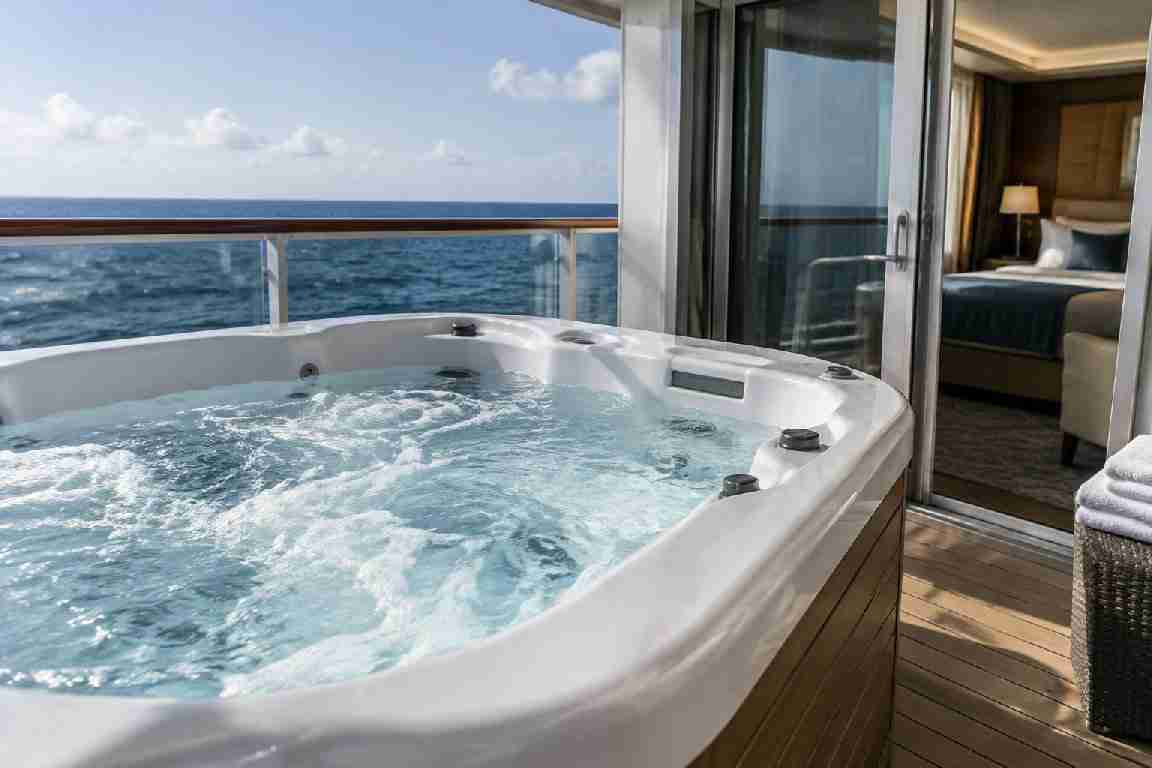
legionella risk is being flagged on cruise ships, with hydromassage tubs and private jacuzzi-style baths in premium cabins singled out as potential sources of infection. The warning matters for operators and dutyholders because warm water systems that are poorly maintained can create a route for exposure.
Cruise ship hot tubs, including private jacuzzis in higher-end cabins, are being identified as a concern because of the bacteria Legionella, which can cause serious illness. The issue is not limited to public spa areas; any warm-water system with aerosol generation needs proper control.
The original report says the risk has been highlighted in connection with hydromassage baths on cruise liners, where the combination of warm water, spray and shared use can create conditions that allow bacteria to spread. For ship operators, the same basic principles apply as they do in hotels, leisure facilities and other premises with spa-type equipment.
Why the legionella risk matters on cruise vessels
Legionella thrives where water is stored, circulated or aerosolised under conditions that allow it to multiply. That makes tubs, jets, pipework, filters and infrequently used outlets part of the control picture, not just the visible bath itself.
On a cruise ship, the issue is made more complicated by the way cabins, suites and communal facilities are used differently from a standard building. Some tubs may be used regularly and cleaned well; others may sit idle for periods, which can increase legionella risk if water is not managed properly.
For anyone responsible for passenger safety, the point is straightforward: a luxury feature can still become a compliance problem if cleaning, flushing and water temperature control are not properly managed. Spa-type systems need the same discipline as other water systems that can generate aerosols.
What operators and dutyholders need to look at
The practical controls are familiar to facilities and compliance teams. That includes identifying where warm water is stored or recirculated, checking how often systems are used, keeping records of cleaning and maintenance, and making sure people with the right competence are carrying out the work.
Private jacuzzis in premium cabins can be overlooked because they are not part of a central spa plant room, but they still form part of the ship’s water system. If they are not included in the wider water hygiene regime, the legionella risk can be missed until a problem appears.
Routine checks should cover temperature control, descaling, disinfecting, water turnover, and any component that could hold stagnant water or biofilm. Filters, jets and pipework are particularly relevant because they are harder to inspect at a glance and can trap contamination.
Legionella risk and wider compliance checks
For UK dutyholders, the story is a reminder that legionella control is not just about boiler rooms and domestic hot water tanks. Risk assessments need to consider unusual assets and leisure-style systems, including those in hotels, managed residential buildings, leisure centres and hospitality settings.
That matters for landlords, building owners and facilities managers as much as it does for cruise operators. If a system can produce droplets that people may breathe in, it needs to be considered as part of the building’s water safety arrangements, with records to show how the risk is being managed.
“Hydromassage baths on cruise liners, including private jacuzzis in premium cabins, can be dangerous because of the risk of infection by the bacterium Legionella.”
That point may sound basic, but it is one that gets missed in practice when a feature is marketed as a comfort or luxury amenity rather than a water system with health implications. Once a bath uses jets and sprays, it becomes relevant to the same kind of controls that apply to other aerosol-generating equipment.
What this means for facilities teams and contractors
Facilities teams should be checking whether hydromassage equipment is included in the site’s written scheme or equivalent water management plan, and whether cleaning intervals are realistic for the way the asset is used. A system used daily by guests will need a different approach from one that sits unused between bookings or voyages.
Contractors servicing these installations also need clear instructions on disinfection, flushing, sampling where appropriate, and any isolation steps before maintenance. Poorly documented handovers between operators and service providers are a common weak point in compliance, especially when the equipment is spread across multiple decks or accommodation blocks.
For dutyholders, the wider lesson is that decorative or premium features should never be treated as exempt from basic water hygiene control. If a jacuzzi, spa bath or similar unit is part of the premises, it belongs in the same risk management process as the rest of the building services.
As cruise ships, hotels and other managed properties continue to compete on amenities, legionella control remains one of the less visible but more important parts of safe operation. The risks are manageable, but only if the systems are properly identified, maintained and kept under review.