Explore this post with your favourite AI tool:


Share this article with AI tools to summarise, remember, or explore the content further.
legionella bacteria have been detected at public bathhouses in Seoul, raising familiar concerns about water management, cleaning and the controls needed to stop exposure in shared washing areas.
Health authorities in the South Korean capital have found legionella bacteria at a series of public-use facilities, including bathhouses and jjimjilbangs, prompting renewed attention on how quickly the organism can spread in warm, wet environments.
The issue matters well beyond South Korea. Any site with showers, spa pools, stored water or poorly managed pipework can create the right conditions for legionella bacteria to multiply if the system is left stagnant, inadequately cleaned or not properly monitored.
Legionella bacteria found in shared bathing facilities
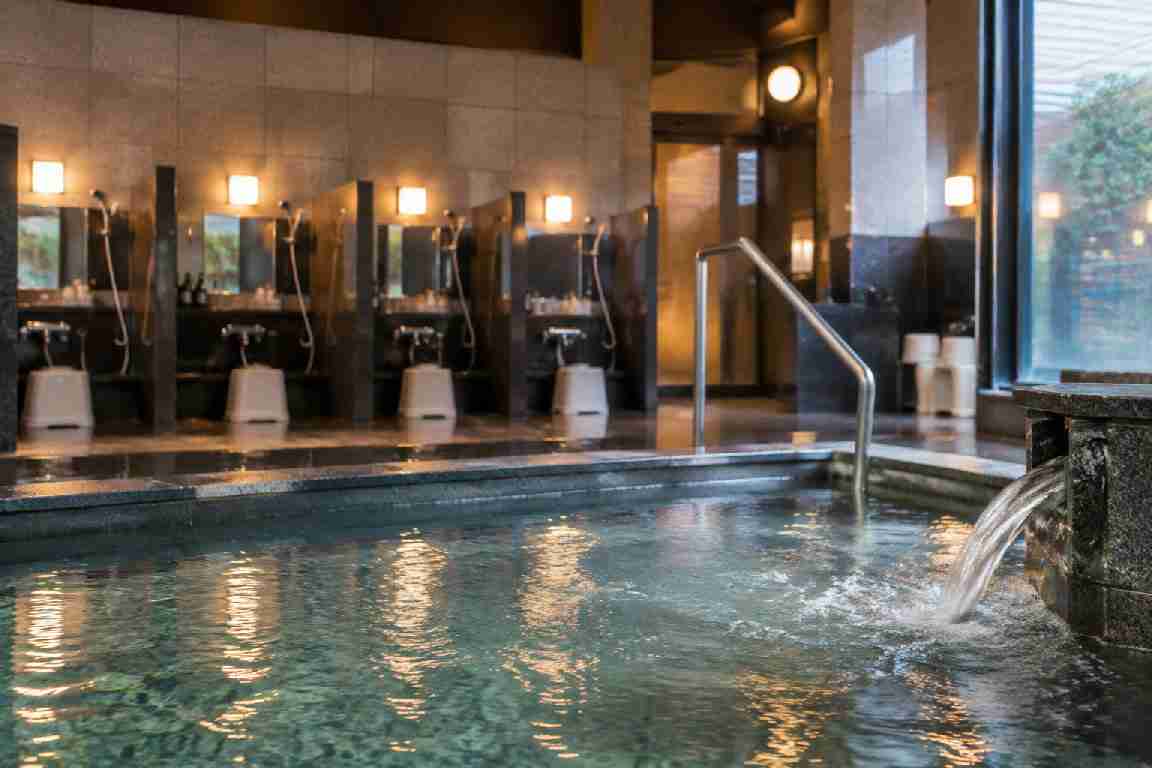
The reports in Seoul centred on bathhouses and jjimjilbangs, which are popular public bathing and rest facilities. These premises typically have extensive hot and cold water systems, circulation lines, basins, showers and relaxation areas, all of which need active maintenance to prevent microbial growth.
The source material indicates that legionella bacteria were detected one after another at several public-use venues, which is what makes the case notable. A single isolated result may be treated as a localised problem, but repeated findings in similar premises suggest a wider controls issue around water hygiene and management.
Legionella bacteria are naturally occurring, but they become a serious risk when water systems provide the right temperature range and conditions for growth. In practical terms, that usually means warm water, stagnant outlets, scale, biofilm or dead legs in pipework that are not being managed properly.
Why this matters for UK dutyholders
For UK employers, landlords, managing agents and responsible persons, this is a reminder that water safety is not just a facilities issue. Legionella control sits alongside other day-to-day compliance work, and it needs the same sort of discipline as fire checks, asbestos records and planned maintenance.
Where people are showering, washing, staying overnight or using communal bathing facilities, the risks can be easy to overlook until something goes wrong. The challenge is often less about one-off deep cleans and more about keeping systems in use, flushed, inspected and recorded properly over time.
That means risk assessments, suitable monitoring and sensible housekeeping need to be kept current. If a building has been partially empty, closed for refurbishment or left with outlets unused for long periods, the possibility of legionella bacteria building up is one of the first things a competent assessor should consider.
What the incident points to in practice
The main lesson here is that public-facing premises with complex water systems can deteriorate quickly if routine controls slip. Spa-type facilities, gym showers, hotels, supported housing, care settings and leisure buildings all depend on maintenance teams spotting problems before they become a hazard.
Temperature checks, flushing routines, cleaning of shower heads and outlets, removal of scale and biofilm, and review of stored water arrangements are all part of the standard picture. None of that is glamorous, but it is the sort of work that prevents legionella bacteria from finding a foothold.
For facilities managers, the immediate concern is usually whether the site’s written controls match what is actually happening on the ground. A tidy logbook means little if taps are not being used, thermostats are drifting, tanks have not been inspected, or contractors are not following the agreed schedule.
Contractors also have a role, particularly where plant rooms, hot water services or refurbishment works could disturb water systems. Temporary closures, dead legs, changes in pipe runs and poor reinstatement can all create conditions that are easy to miss if no one is looking at the system as a whole.
The compliance angle for buildings and workplaces
Although the Seoul detections are not a UK case, they fit a pattern familiar to compliance teams here: problems tend to appear where systems are busy, ageing or only partly managed. That is especially relevant in mixed-use buildings, rented properties and premises with high turnover of users.
In the UK, dutyholders are expected to understand the water systems they control and to keep them under review. In plain terms, that means knowing where the risks are, who is responsible for checks, what has been done, and whether the records support the controls that are supposedly in place.
That is particularly important where legionella bacteria could affect vulnerable occupants or large numbers of visitors at once. In settings such as care homes, hotels, schools, residential blocks and leisure premises, even a short failure in management can have wider consequences than many owners first assume.
“Nearly Infected While Trying to Relieve Fatigue”
That line from the source material reflects the irony of the situation: facilities intended for rest and recovery can become a source of risk if water systems are neglected. The same point applies to UK premises where people expect showers, baths or spa facilities to be routine and low-risk.
The practical message for dutyholders is straightforward enough. If a building relies on stored water, warm water distribution or regular use of showers and outlets, legionella controls need to be treated as part of normal operational management rather than an occasional specialist exercise.
Seoul’s repeated detections at public bathhouses underline how quickly a hygiene issue can become a compliance issue when monitoring slips. For building owners and facilities teams, that is a reminder that legionella bacteria are most often beaten by boring, consistent maintenance rather than by emergency action after the fact.