Explore this post with your favourite AI tool:


Share this article with AI tools to summarise, remember, or explore the content further.
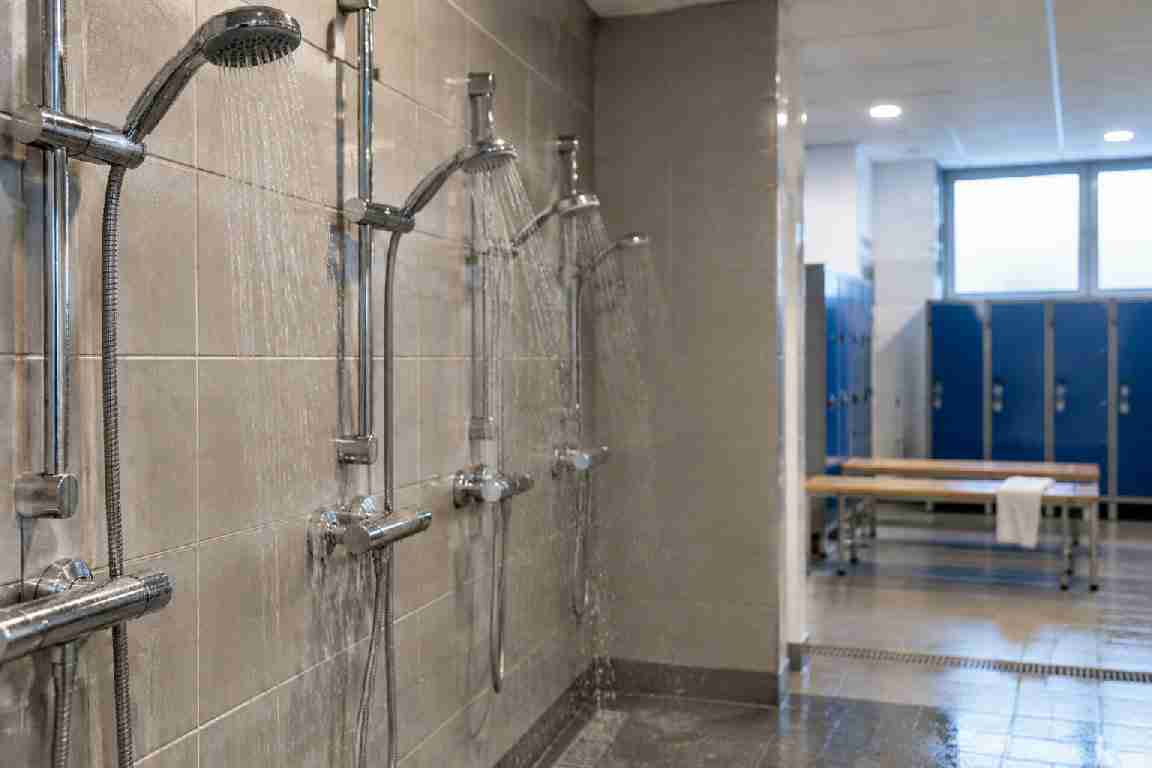
legionella contamination at a school in Valongo has been ruled out after follow-up testing came back negative, allowing the changing rooms to reopen.
The municipality said the final confirmatory result for the first changing room was received on Monday, while the second room also returned a negative result after the reassessment, clearing the way for the facilities to be used again.
Negative follow-up tests clear the way for reopening
The school changing rooms had been subject to checks after initial concern about legionella contamination in the water system. According to the source from Valongo council, the counter-analysis has now confirmed the absence of the bacterium in the areas tested.
That outcome means the rooms can reopen, subject to any local arrangements needed to bring them back into normal use. For anyone managing a school, leisure building or other occupied premises, the case is a reminder that a single positive or inconclusive result should not be treated as the end of the process.
Water systems often need repeat sampling where there has been a suspicion of contamination. Results can vary depending on how the sample is taken, whether the system has been recently used, and what condition the outlets, pipework or storage arrangements are in at the time.
Why legionella contamination matters for building operators
Legionella contamination matters because the risk is tied to water systems that can aerosolise bacteria, such as showers, taps and other outlets in bathrooms, changing rooms and plant areas. If those systems are not monitored, cleaned and maintained properly, the bacteria can multiply under the right conditions.
For UK dutyholders, the practical issue is not just whether a sample is positive or negative on a given day, but whether there is a sensible control regime in place. That normally means keeping water systems in good order, recording checks, identifying dead legs or low-use outlets, and making sure any concerns are investigated promptly by competent people.
In schools, sports facilities, blocks of flats, workplaces and public buildings, the same basic approach applies: know where the water risk sits, act on warning signs, and avoid assuming that a routine facility is automatically low risk. Changing rooms and showers are a good example of the kind of areas that can be overlooked until a problem is found.
What this means for schools and facilities teams
The Valongo case is a useful illustration of how facilities teams should handle suspected legionella contamination without delay but also without jumping to conclusions. A temporary closure, sampling exercise and follow-up analysis are all part of a normal response when there is a real concern about a water system.
For schools and other occupied premises, that usually means checking whether the written risk assessment still reflects the building as it is actually used. If a washroom or changing area has low use, has been modified, or has outlets that are rarely run, the control measures may need updating.
It also underlines the need to keep maintenance records in order. When a site is under pressure to reopen a room, the paperwork matters: who took the samples, when the system was flushed or cleaned, what findings were made, and what remedial action followed.
Segundo a fonte da Câmara de Valongo, no primeiro balneário, a definitiva contra-análise negativa foi recebida na segunda-feira, enquanto no segundo foi …
Although the source report is brief, the practical lesson for UK employers, landlords and managing agents is straightforward. A suspected legionella contamination issue is rarely resolved by a one-off check alone; the real test is whether the building’s water management is controlled well enough to prevent the same problem returning.
That means paying attention to the ordinary things: water temperature checks, flushing regimes, cleaning shower heads and spray fittings, and reviewing any parts of a system that are dormant or underused. Those are the basics that tend to prevent a minor concern becoming a recurring compliance issue.
With the negative counter-analysis now received in Valongo, the changing rooms can reopen. For those responsible for similar facilities, the case is another reminder that water hygiene problems are often settled by disciplined routine rather than last-minute action.