Explore this post with your favourite AI tool:


Share this article with AI tools to summarise, remember, or explore the content further.
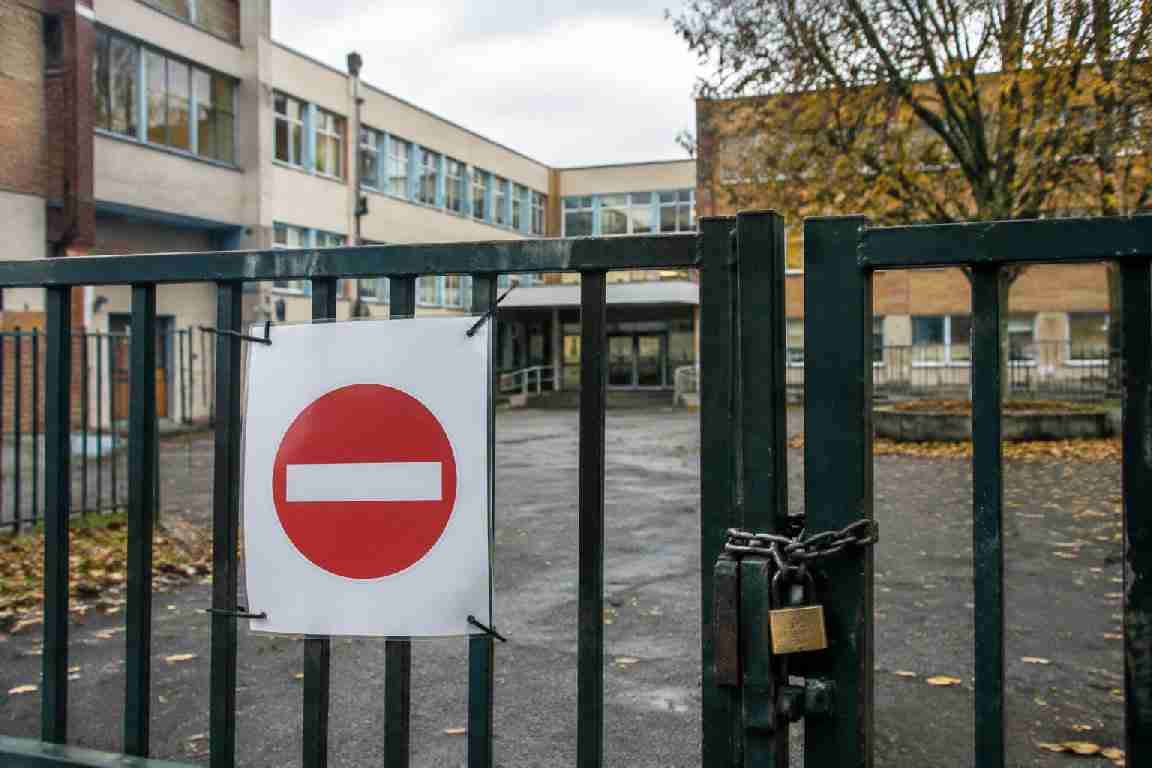
A legionella outbreak has forced the closure of three school buildings in Palermo, after managers at the Istituto comprensivo Publio Virgilio Marone Tomaselli moved to shut the sites on health grounds.
Three parts of the school complex have been taken out of use while the response is under way. The closure was ordered by the school leadership as a precautionary measure following the alert.
The ANSA report gives few further details, but the immediate impact is clear enough: once legionella is suspected or detected, occupied buildings may need to be closed, isolated or tightly controlled until the risk is understood and managed.
legionella outbreak triggers precautionary closure
The action in Palermo centres on three school premises linked to the same education institution. With pupils and staff potentially affected, the decision to suspend use of the buildings appears to have been taken to limit exposure while checks are carried out.
That is the sort of step dutyholders in the UK would recognise. Where a water system presents a possible legionella outbreak, the practical priority is to stop people using affected showers, taps or other outlets until the source of the risk has been assessed.
For schools, the issue is not just about the water system itself. Once a building is closed, there are knock-on effects for timetables, temporary accommodation, supervision, cleaning arrangements and communications with parents and staff.
Why this matters for UK dutyholders
Legionella remains a familiar compliance issue for employers, landlords, managing agents and responsible persons because it is tied to everyday building operations: hot and cold water storage, temperature control, stagnation, flushing and maintenance records. A problem can emerge quietly and then escalate quickly if the building has been underused, poorly maintained or left with dead legs and stagnant water in the system.
In a school, care setting or office block, the risk is not confined to a single tap. It can affect showers, stored water, cooling systems and parts of the plumbing network that are missed during routine checks. That is why water hygiene controls, competent risk assessment and decent record-keeping matter long before an incident reaches the point of closure.
The Palermo case is a reminder that a legionella outbreak can move from a technical maintenance issue to a business continuity issue very quickly. Once a site is shut, the cost is not just remedial works but lost occupancy, disruption to services and the management time needed to restore confidence in the building.
What facilities teams would normally look at
In practical terms, a response usually starts with tracing the affected water system, identifying which areas are in use and checking whether there has been any recent stagnation, temperature drift or maintenance failure. Sampling, flushing and further specialist investigation may follow, depending on the circumstances.
Facilities managers and contractors would also expect to review recent logs, handover notes and maintenance visits to see whether warning signs were missed. If a site has been vacant, partly occupied or running on reduced use, that history becomes especially relevant because water systems can deteriorate surprisingly quickly.
Where a building must remain open, managers may need to isolate certain outlets, brief users and put temporary controls in place. That can be a difficult balance in a school or workplace, but it is usually better than waiting for a confirmed legionella outbreak to force a more disruptive shutdown later.
Lessons for schools, landlords and responsible persons
For UK dutyholders, the main lesson is straightforward: legionella control is not something to leave until a complaint or test result arrives. The systems need routine attention, sensible supervision and clear responsibility for what happens when conditions change.
Schools and other communal buildings are particularly exposed because water outlets are used by many people and because premises may be partly empty during holidays or closures. That makes flushing regimes, temperature checks and competent oversight central to day-to-day compliance rather than box-ticking exercises.
The Palermo closure also shows how quickly a water hygiene issue can become a reputation issue. Parents, staff, tenants and visitors want to know not just that a problem has been found, but that the building owner or operator has a plan, understands the system and can bring the site back into safe use without guesswork.
For now, the affected school buildings remain closed while the alert is dealt with. For anyone responsible for occupied premises, it is another reminder that a legionella outbreak is rarely just a laboratory or maintenance matter; it is a building management failure waiting to spread if the basics are not kept in order.