Explore this post with your favourite AI tool:


Share this article with AI tools to summarise, remember, or explore the content further.
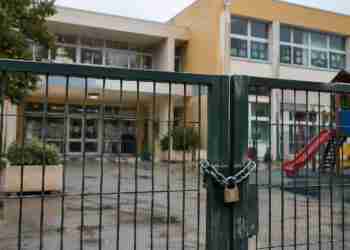
A legionella outbreak at Sarzano nursery in Genoa has kept the site closed for a further 45 days, leaving families angry that they were not informed sooner and raising fresh questions about building checks and communication.
The children were moved to the Embriaco school from 23 September, but the closure has now been extended while work continues on the nursery building. Parents say the city council, based at Tursi, did not properly tell them what was happening, and frustration has grown as new maintenance issues have emerged.
legionella outbreak forces longer closure at Sarzano nursery
The immediate problem is the legionella outbreak itself, which has already led to a disruption of normal nursery provision. Rather than reopening once the first work was finished, the building will remain out of use for another 45 days while further interventions are carried out.
That extension matters because it suggests the issue was not a simple, one-off repair. In practice, when legionella is found in a water system, dutyholders usually need to check the wider condition of the installation, not just treat the first point of concern and hope the problem is gone.
Families affected by the closure have complained that they were left in the dark. Their criticism is not only about inconvenience, but about the way the situation has been managed from a communication point of view.
“Tursi non ci ha informati”
The parents’ complaint is plain enough: they say they were not told what was going on in time or clearly enough. For anyone responsible for a public building, that is a familiar weak point. When a water hygiene issue affects a nursery, school or care setting, people need straightforward information on the risk, the temporary arrangements and the expected timetable.
What the extra works mean for building managers
The reported discovery of another intervention on the gas network adds a further layer of concern. While it is a separate issue from legionella, it points to the wider condition of the building and the number of trades now needing access to the site.
For property managers, facilities teams and local authority estates staff, that is exactly the kind of overlap that can complicate reopening plans. One problem often exposes another, and each job can affect the others if access, isolation or sequencing is not handled properly.
In a nursery or similar setting, that can mean water treatment work, flushing regimes, inspection of tanks or pipework, and any associated testing all have to be properly coordinated. If gas work is also required, the timetable can quickly stretch out, especially where the building cannot be occupied safely during the work.
The Sarzano case will be of interest to anyone who manages a small public building, early years site or shared property, because it shows how quickly a routine maintenance issue can become a wider operational problem. Once a legionella outbreak is identified, the response needs to be documented, technically sound and easy to explain to users.
Why the case matters for compliance teams
Legionella control is not just about testing water once in a while. It depends on risk assessment, system design, temperature control, cleaning, routine monitoring and keeping records that actually reflect what is happening in the building.
Where a site has been closed because of a legionella outbreak, the key question is usually whether the underlying cause has been understood. If the building has older pipework, little-used outlets or other weaknesses in the water system, those factors need to be addressed before anyone thinks about bringing people back in.
That is why this sort of incident matters beyond the immediate school or nursery. It is a reminder that water hygiene is part of day-to-day building management, not a separate tick-box exercise handed off to a contractor and forgotten until something goes wrong.
It also underlines the need for clear lines of responsibility. In public buildings, employers, landlords, managing agents, maintenance contractors and responsible persons can all be involved, but someone still has to make sure the system is being monitored properly and that staff know what to do if a problem is identified.
Communication is part of the job
The parental anger in this case is understandable. If children are moved out of a nursery because of a legionella outbreak, families expect prompt, plain-language updates rather than partial information arriving later through rumours or formal notices.
That applies just as much in workplaces and residential buildings. Occupiers, staff and contractors may not need every technical detail, but they do need to know whether areas are safe to use, what restrictions are in place and when the next update will come.
For dutyholders, the lesson is simple enough: if a water safety issue shuts a site, the technical response and the communication plan need to move together. One without the other tends to create distrust, extra complaints and more pressure on those running the building.
At Sarzano, the children remain at Embriaco while the nursery stays shut for longer than first expected. The wider issue now is whether the work being carried out will fully resolve the legionella outbreak and allow the building to reopen without further disruption.