Explore this post with your favourite AI tool:


Share this article with AI tools to summarise, remember, or explore the content further.
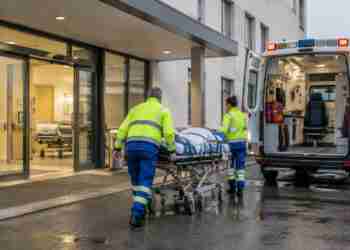
A legionella case in Alcamo has left a 55-year-old man in intensive care, underlining how quickly a water system problem can become a serious health incident when conditions allow the bacteria to spread.
A 55-year-old man has been admitted to intensive care after a legionella case was reported in Alcamo, in Sicily. The case is a reminder that the risk is not confined to hospitals and care settings; any building with stored or circulated water can create the right conditions if systems are not properly managed.
The source report says the bacterium is mainly transmitted by inhaling tiny droplets or aerosols of contaminated water. That is the key point for anyone responsible for buildings, plant rooms, showers, taps, cooling systems or other water services: the danger is usually not from drinking the water, but from breathing in what comes off it.
How a legionella case develops
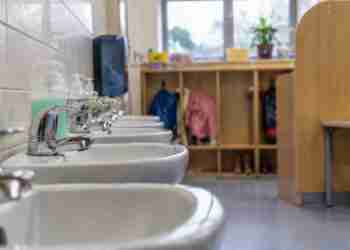
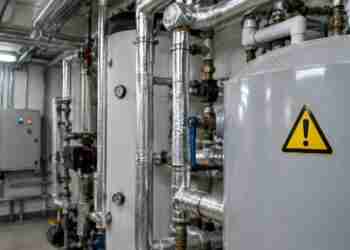
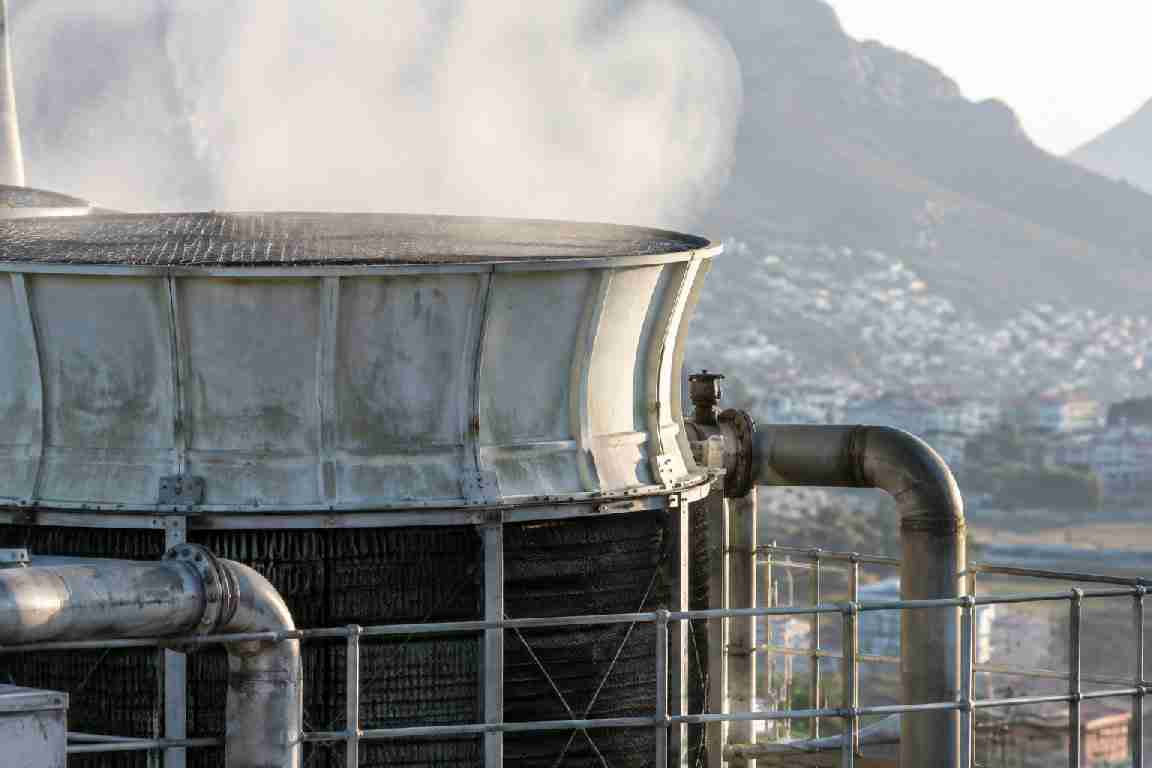
Legionella bacteria thrive where water is warm, stagnant or poorly controlled. Problems tend to build up in places such as unused pipework, showers, dead legs, storage tanks, spa pools and cooling systems, especially where cleaning, flushing and temperature control have slipped.
In practical terms, a legionella case often points to a failure somewhere in the wider water management chain rather than a single dramatic fault. It may be something as mundane as a neglected outlet, a broken thermostat, poor record keeping or a system that has been altered without a fresh risk review.
For landlords, employers and facilities teams, that is what makes the issue difficult. The risk is usually invisible until someone becomes ill, which is why routine checks and documented control measures matter so much.
Why the source of infection can be hard to pin down
Legionella is not spread person to person in the ordinary sense, so tracing the source can be awkward unless building systems are well understood and records are in order. That means maintenance history, water sampling where relevant, schematics and logs of flushing or temperature checks can quickly become important.
A legionella case can also trigger questions about shared premises, temporary accommodation, construction sites, vacant properties and plant that serves more than one user. In those settings, responsibility is often split, so clear lines of accountability are essential.
Where a building has been partially empty, refurbished or left with intermittent use, the risk can rise if water systems are restarted without proper checks. That is a common weak point in property management, particularly where different contractors have worked on the same installation over time.
What the incident means for dutyholders
For UK dutyholders, the relevance goes beyond a single hospital admission. Any legionella case is a signal to review whether the water system controls in place are actually working, not just whether a file exists that says they should.
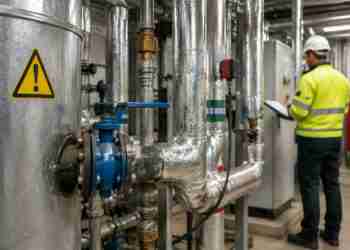
That means looking at whether risk assessments are current, whether control measures are being followed, and whether staff or contractors carrying out tasks understand what they are doing. If temperatures, flushing routines, cleaning schedules or monitoring records are being missed, the paperwork may look tidy while the underlying risk grows.
Facilities managers and responsible persons should also be alert to changes in occupancy, building use or system design. A site that was low risk last year may not be low risk now if floors have been vacated, showers have been added, or water services have been altered during refurbishment.
Why the infection route matters for buildings
Because transmission happens through inhaled droplets, ordinary day-to-day use of showers, taps, cooling equipment and other aerosol-producing systems is where control measures really matter. That makes maintenance standards, flushing practices and engineering controls far more important than casual reassurance.
The wider compliance lesson is simple enough: water safety needs the same level of attention as fire systems, asbestos records or gas checks. It is easy to overlook because the consequences are less visible until a case like this comes to light.
For employers and property owners, the safest approach is a proper risk-led one. That usually means competent assessment, sensible monitoring, prompt remedial action and records that show the system has been actively managed rather than just reviewed once and forgotten.
The Alcamo case has not been presented as a large outbreak, but it still carries weight for the sector because it reflects the kind of incident that compliance teams try to prevent. One severe illness is enough to show how quickly a poorly controlled water system can turn into a serious occupational or property safety issue.