Explore this post with your favourite AI tool:


Share this article with AI tools to summarise, remember, or explore the content further.
Health authorities in Switzerland are investigating a significant legionella outbreak in the city of Basel that has resulted in one death and dozens of hospitalisations. The incident serves as a stark reminder for UK dutyholders of the speed at which a contaminated water source can lead to a public health crisis.
The outbreak, which emerged over the last two weeks, has seen 26 people fall ill with Legionnaires’ disease. The severity of the cluster is evident in the clinical outcomes; 25 of those affected required hospital treatment, with seven patients admitted to intensive care. Officials confirmed that one man, who was reportedly in an older age bracket and had underlying health conditions, has died from the infection.
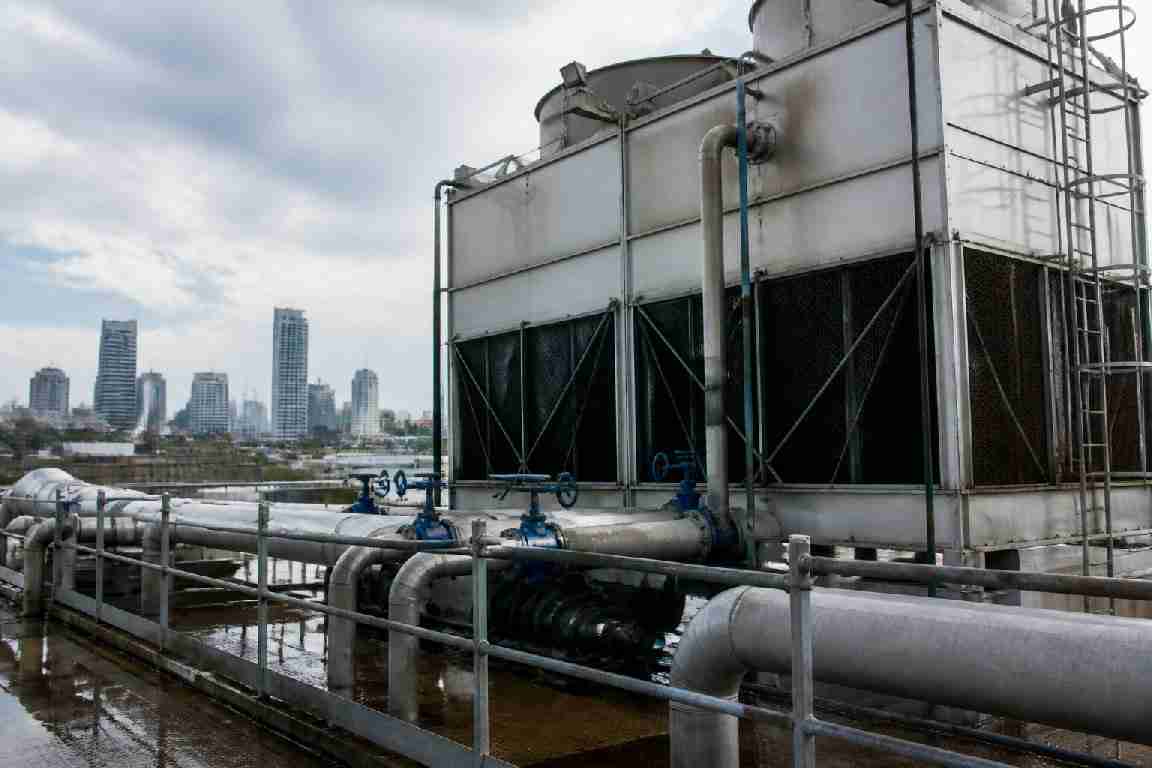
Local health departments and environmental specialists are currently working to pinpoint the source of the bacteria. While the investigation is ongoing, the geographic clustering of the cases suggests a common external source, such as a cooling tower or a large-scale industrial water system, rather than isolated domestic plumbing issues. Testing of various water installations across the affected areas of Basel is currently underway to prevent further infections.
Lessons for UK dutyholders from the Basel legionella outbreak
For those managing property portfolios in the UK, the events in Basel highlight the critical importance of the ACOP L8 (Approved Code of Practice) and the HSG274 guidance. While this incident occurred in Switzerland, the biological behaviour of Legionella pneumophila remains the same regardless of borders. When water systems are not maintained, and temperatures are allowed to sit within the “danger zone” of 20°C to 45°C, the risk of rapid bacterial colonisation increases exponentially.
British facilities managers and building owners should take note of the high hospitalisation rate in this specific legionella outbreak. Legionnaires’ disease is a severe form of pneumonia, and as seen in this case, it frequently requires intensive medical intervention. For an employer or landlord, the legal and reputational fallout from such an event can be devastating, often leading to HSE intervention and potential prosecution under the Health and Safety at Work etc. Act 1974 if negligence is proven.
The fact that seven people ended up in intensive care underscores why water safety is not merely a “tick-box” compliance exercise. It is a fundamental life-safety requirement. UK regulations require a written risk assessment, a formal management scheme, and a designated “Responsible Person” who has the authority and knowledge to ensure control measures are effective.
Identifying high-risk aerosol sources
Investigations into a large-scale legionella outbreak typically focus on assets that create an aerosol. This is because the bacteria must be inhaled in fine water droplets to infect the lungs. Cooling towers, evaporative condensers, and even large decorative fountains are often the primary suspects in urban clusters. If these systems are not treated with the correct biocides or if they have “dead legs” where water can stagnate, they can effectively become “sprayers” for the bacteria over a wide area.
In the UK, cooling towers must be registered with the local authority. This registry is a vital tool for environmental health officers when they are trying to track the source of an infection. Dutyholders who fail to keep these registrations updated or who neglect the rigorous cleaning and disinfection schedules required for cooling systems are leaving themselves and the public at significant risk.
It is also worth noting that weather conditions can play a role. Warm, humid weather can sometimes mask the plume from a cooling tower or provide atmospheric conditions that allow aerosols to travel further than usual. Facilities teams should ensure that their seasonal start-up procedures for air conditioning and cooling plant are robust and fully documented.
The importance of a proactive water management scheme
While we wait for the final report on the source of the legionella outbreak in Basel, the immediate takeaway for UK professionals is the necessity of the “written scheme of control”. This document should not be a static folder on a shelf. It needs to be a living process that includes regular temperature monitoring, flushing of infrequently used outlets, and periodic sampling where deemed necessary by the risk assessment.
If you are a dutyholder, now is a sensible time to review your records. Are your TMVs (Thermostatic Mixing Valves) being serviced? Is your calorifier reaching the required 60°C? Are your showerheads being descaled quarterly? These small, routine tasks are the primary defence against the type of catastrophic failure seen in Switzerland.
The situation in Basel remains fluid as health officials continue to monitor those in hospital and search for the environmental “smoking gun”. For the UK compliance sector, it is a sobering prompt to ensure that water hygiene remains at the top of the safety agenda. Neglect in this area moves very quickly from a maintenance oversight to a fatal public health emergency.