Explore this post with your favourite AI tool:


Share this article with AI tools to summarise, remember, or explore the content further.
Managing legionella holiday risks is a critical priority for property managers and employers as seasonal travel patterns often lead to a spike in waterborne infections. When buildings or specific wings of a facility are left under-occupied during holiday periods, the resulting water stagnation creates the ideal environment for bacteria to colonise complex plumbing systems.
Health officials have observed a recurring trend where Legionnaires’ disease cases rise in line with holiday periods. This increase is often attributed to two primary factors: travellers being exposed to poorly maintained water systems abroad, and the risks associated with dormant water systems in domestic buildings that have been left empty while staff or tenants are away.
For UK dutyholders, the return from a holiday period is a high-risk window. Whether it is a small office, a large residential block, or a holiday rental property, water that has sat motionless in pipes during a break can reach temperatures that encourage the rapid growth of Legionella pneumophila. When taps or showers are eventually turned back on, the bacteria can be aerosolised and inhaled, leading to potentially fatal respiratory infections.
Addressing legionella holiday risks in stagnant systems
The core of the problem lies in the lack of throughput. In a busy building, constant water usage keeps the supply fresh and ensures that residual disinfectants, such as chlorine, remain active throughout the system. However, during holiday shutdowns, this protection fades. If the ambient temperature inside a building rises—common during summer breaks—the water in the pipes can easily enter the “danger zone” between 20°C and 45°C.
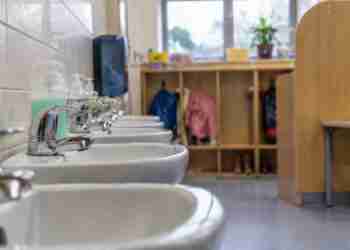
It is not just the travellers themselves who are at risk. Facilities managers must consider the safety of maintenance staff or the first occupants to return to a site. If a shower has not been used for a fortnight, the first person to stand under it is at the highest risk of inhaling contaminated droplets. This makes the management of legionella holiday risks a matter of meticulous scheduling and pre-occupancy flushing regimes.
While many people focus on large cooling towers as the source of outbreaks, recent data suggests that smaller, “dead legs” in plumbing and infrequently used outlets are significant contributors. Biofilm—a slimy layer of microorganisms—builds up on the inside of pipes when water is stagnant. Once established, this biofilm protects Legionella bacteria from heat and chemicals, making it much harder to eradicate once the holiday period ends.
Practical steps for landlords and facilities managers
For those responsible for building safety, professional guidance usually dictates a proactive approach rather than a reactive one. If a property or a section of a building is known to be vacant for more than a week, a flushing regime should be implemented. This involves running all outlets, including taps, showers, and even flushing toilets, at least weekly to move the stagnant water out of the system.
Landlords of short-term holiday lets or “Airbnb” style properties face a particular challenge. The intermittent nature of occupancy means that legionella holiday risks are almost a permanent feature of their risk profile. It is essential that these owners do not simply rely on the previous guest’s usage. A documented process of flushing the system thoroughly before a new arrival is a basic but vital compliance step.
Temperature monitoring remains the most effective way to keep systems under control. Hot water should be stored at 60°C and reach the outlets at 50°C (or 55°C in healthcare settings) within one minute. Cold water should remain below 20°C. During hot weather, keeping cold water pipes cool in poorly ventilated service risers can be difficult, further increasing the need for regular flushing to draw in fresh, cooler water from the main.
Dutyholder responsibilities and the return to work
Employers have a legal duty to assess the risks of exposure to Legionella. This is not a “one and done” task but a living document that should account for seasonal changes and occupancy levels. If a business closes for a summer break or a Christmas shutdown, the risk assessment must reflect how the water system is managed during that period.
When staff return to a workplace that has been empty, they should be greeted with a safe environment. It is often recommended that the “first flush” of the system after a holiday is performed by someone who knows how to minimise aerosol production. This might involve placing a clean plastic bag over a showerhead and cutting a small corner to let the water drain without splashing, or running taps slowly at first.
The consequences of failing to manage legionella holiday risks can be severe, ranging from lengthy HSE investigations and significant fines to the permanent closure of facilities. More importantly, the human cost of Legionnaires’ disease—which often presents as severe pneumonia—is preventable through simple, disciplined water hygiene practices.
As travel habits evolve and hybrid working continues to leave many office blocks partially empty, the risks associated with stagnant water are becoming a year-round concern. Compliance managers must ensure that their water safety plans are flexible enough to cope with these shifting patterns, keeping water moving and temperatures controlled regardless of the season.