Explore this post with your favourite AI tool:


Share this article with AI tools to summarise, remember, or explore the content further.
Asbestos deaths continue to show how long the material’s legacy lasts, with the harm still being felt decades after widespread use in buildings and workplaces. For those managing property, maintenance or construction work, the message is familiar but unforgiving: the risk has not gone away.
Shield Services Group has used a recent statement to underline the scale of the problem, saying the continuing number of deaths linked to asbestos exposure shows why the issue still matters across the UK built environment. The material may be banished from new products, but it remains present in many older buildings where it can still be disturbed during repairs, refurbishments and demolition.
Why asbestos deaths still matter to dutyholders
The point is straightforward enough. Asbestos-related disease does not follow the same timetable as an ordinary workplace injury, and that is one reason the danger is often underestimated. A person exposed years ago may only now be showing the effects, which is why asbestos deaths continue to feature so heavily in discussions about occupational health.
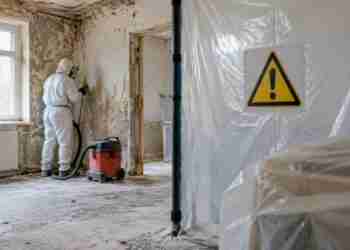
For employers, landlords, building owners and responsible persons, this is not a distant legacy issue. It affects day-to-day work in plant rooms, ceiling voids, risers, service ducts and other parts of the estate where old materials can still be concealed. If asbestos is present and the right controls are not in place, routine maintenance can become a serious exposure event.
The company said the continued toll should serve as a reminder that asbestos control remains a live responsibility, not a box-ticking exercise left behind with older buildings. That is a fair point for anyone overseeing maintenance programmes, contractor access or intrusive surveys.
The risks are still built into the estate
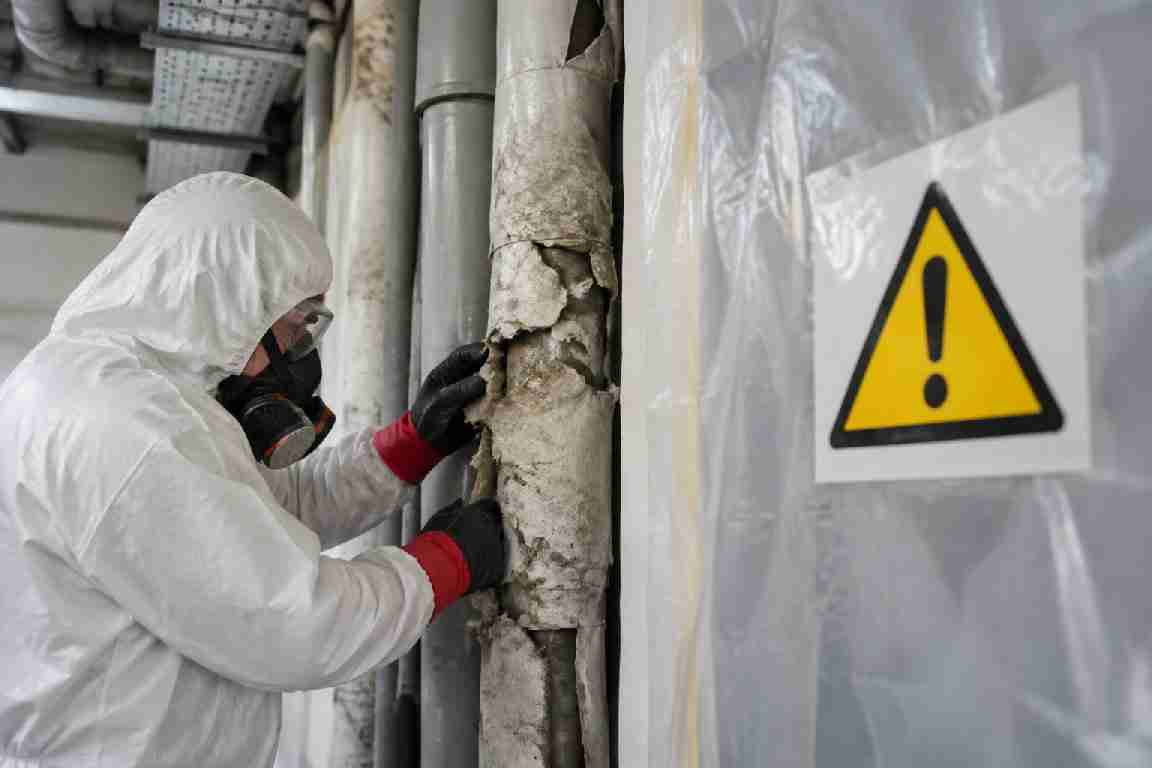
One of the persistent problems is that asbestos is often only noticed once work starts. A contractor removes a panel, drills into a wall, lifts floor tiles or opens up a ceiling and suddenly the material is disturbed. At that point, poor planning, missing records or a weak permit-to-work process can turn a minor job into a contamination issue.
That is why accurate asbestos information matters so much. Site teams need to know what has been identified, where it is located, what condition it is in and whether the intended work could affect it. Without that information, even well-run maintenance teams can make avoidable mistakes.
Asbestos deaths are not just a legacy of old factories or heavy industry. They also reflect the reality of schools, offices, healthcare premises, housing blocks and commercial buildings that were constructed or altered at a time when asbestos use was common. In practice, the exposure risk often sits inside ordinary buildings managed by ordinary teams.
What this means for compliance programmes
For anyone responsible for compliance, the broader lesson is that asbestos management has to stay joined up with the rest of the building safety and maintenance process. Surveys, inspection records, contractor briefings, RAMS reviews and supervision all need to point in the same direction. If they do not, the paperwork may exist while the control measures fail on site.
That is especially relevant where multiple contractors are working on the same estate or where smaller firms are brought in for reactive jobs. These are the scenarios where communication breaks down. A trade team may know the task but not the asbestos background, or a site manager may assume the contractor has checked when no-one has actually verified the records.
Facilities managers and dutyholders should also be wary of relying on outdated surveys or incomplete building information. Materials can be damaged, altered or missed entirely. If the building has changed use, been refurbished or had repeated landlord and tenant fit-outs, the existing asbestos picture may no longer be reliable enough to guide work safely.
“The continued number of deaths linked to asbestos exposure demonstrates that the material remains a serious occupational hea …”
Lessons for landlords, employers and contractors
For landlords and employers, the practical response is not complicated, but it does need discipline. Asbestos records must be current, accessible and understood by the people arranging work. Contractors should be briefed before they arrive, not after they have started opening up the building.
Where there is any doubt, work should be paused until the material is identified and the risk assessed by a competent person. That is particularly important for intrusive maintenance, strip-out work and refurbishment projects, where hidden materials are more likely to be disturbed.
Training also matters. Managers and operatives do not need to become asbestos specialists, but they do need to recognise the warning signs, understand where information is kept and know when to stop work. The weakest point in many systems is not the survey itself, but the handover from office to site.
The wider significance of asbestos deaths is that they keep exposing the same basic failures: poor records, weak communication, and work starting before the building has been properly understood. Until those are tackled consistently, the legacy will remain visible in occupational health figures and in the estates that still carry asbestos inside their fabric.