Explore this post with your favourite AI tool:


Share this article with AI tools to summarise, remember, or explore the content further.
Understanding legionnaires disease symptoms is critical for dutyholders, as early diagnosis and treatment remain the primary factors in preventing severe illness or fatalities following an outbreak. While environmental control is the first line of defence, health experts are highlighting the clinical reality that a rapid medical response can drastically improve patient outcomes when preventative measures fail.
Recent insights shared by medical professionals, including Dr Lyuckanova and Dr Tsankova, have shed light on the persistent risks posed by Legionella bacteria, particularly during the warmer months. As temperatures rise, the conditions for bacterial proliferation in man-made water systems become optimal, placing building managers and employers under increased pressure to maintain rigorous water hygiene regimes.
The core message from clinical specialists is clear: time is the most valuable commodity once an infection has occurred. Dr Tsankova emphasised that the earlier a correct diagnosis is made and appropriate treatment begins, the greater the chances of a full recovery for the patient. For those responsible for workplace safety, this underscores the importance of not only preventing the growth of the bacteria but also being aware of the clinical signs that indicate a potential exposure within their premises.
Recognising legionnaires disease symptoms in a workplace context
Legionellosis is essentially a severe form of pneumonia, and it does not always present in a uniform way. Because legionnaires disease symptoms can closely mirror those of the common flu or other respiratory infections, there is a significant risk that an outbreak could be misdiagnosed in its early stages. This delay can be catastrophic for vulnerable individuals or those with underlying health conditions.
Typically, the illness begins with a high fever, chills, and a cough. As the infection takes hold in the lungs, patients may experience muscle aches, headaches, and significant fatigue. In some cases, the bacteria can also cause gastrointestinal issues or mental confusion. For facilities managers, being aware that these symptoms could be linked to the building’s water systems—especially if multiple occupants report similar issues—is a vital part of incident management.
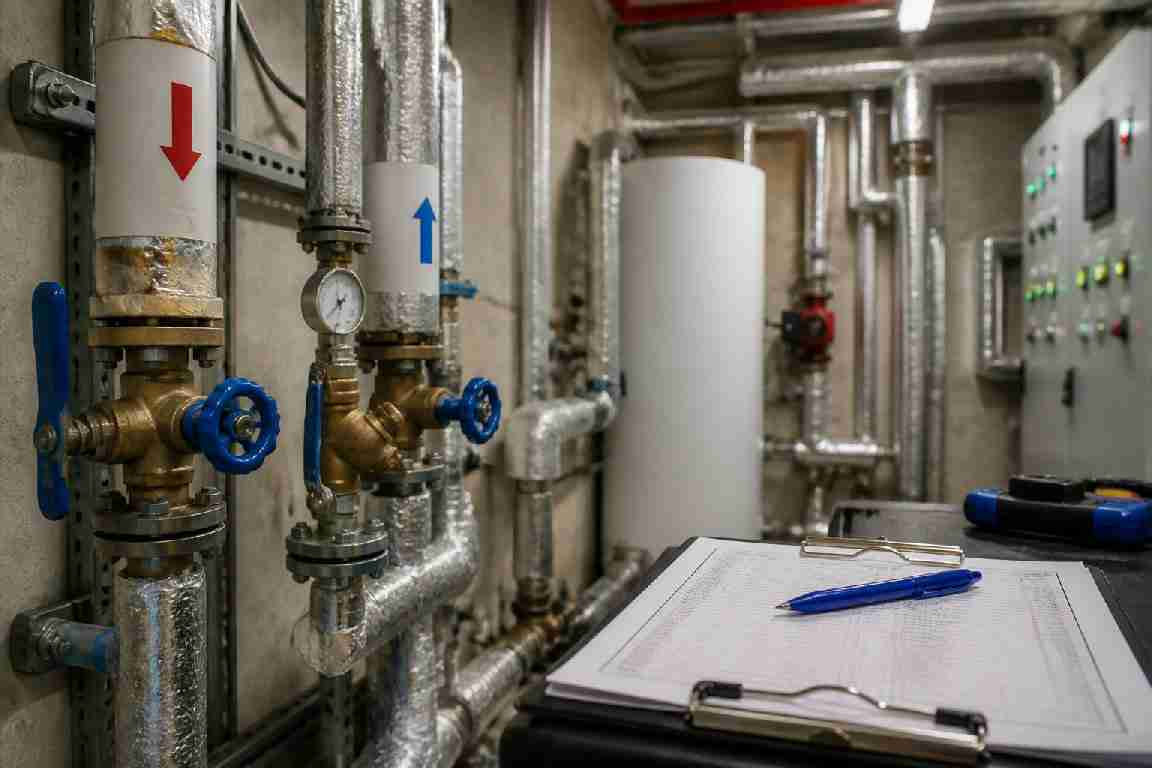
It is also worth noting that the incubation period can vary, usually ranging from two to ten days after exposure to contaminated aerosols. This delay often makes it difficult to pinpoint the exact source of the infection, which is why robust record-keeping and maintenance logs are so important when a case is identified. If a staff member or tenant reports legionnaires disease symptoms, the ability to demonstrate that water temperatures and biocidal treatments have been consistently monitored becomes a primary legal and safety requirement.
The impact of seasonal temperature fluctuations
The link between summer weather and Legionella risk is well-established in the UK. As ambient temperatures rise, cold water storage tanks that are poorly insulated can quickly reach the “danger zone” of 20°C to 45°C, where the bacteria thrive. Dr Lyuckanova noted that the summer period brings specific challenges, as stagnant water in infrequently used outlets—such as showers in schools during holidays or guest rooms in hotels—becomes a breeding ground for the pathogen.
For UK dutyholders, this means that seasonal risk assessments must be more than a tick-box exercise. The transition into warmer months requires a proactive approach to flushing regimes and temperature monitoring. If a building’s cooling towers, spa pools, or decorative fountains are not managed correctly, they can disperse contaminated droplets over a wide area, potentially affecting not just building occupants but also the general public in the surrounding vicinity.
Health professionals continue to warn that while anyone can contract the illness, certain groups are at much higher risk. This includes smokers, heavy drinkers, people over the age of 45, and those with chronic lung disease or weakened immune systems. When an employer is aware of these demographics within their workforce, the duty of care regarding water safety becomes even more acute.
Practical implications for dutyholders and facilities managers
From a compliance perspective, the focus is often on the technical aspects of the ACoP L8 and HSG274 guidance. However, the human element of the disease is what drives regulatory enforcement. The HSE and local authorities take a dim view of organisations that fail to manage these risks, particularly when a failure to act leads to a preventable death.
If an individual shows legionnaires disease symptoms, they should be encouraged to seek medical attention immediately and inform their doctor about potential exposure sites. For the “responsible person,” the immediate priority is to ensure that the risk assessment is up to date and that all control measures—such as temperature control, cleanliness, and the prevention of stagnation—are functioning as intended.
Regular sampling is another tool, though not a replacement for good engineering control. While the law does not always mandate monthly testing for every system, it is often a sensible step in high-risk environments or where control parameters cannot be consistently met. If a lab report returns a high colony count, it serves as an early warning system before legionnaires disease symptoms ever manifest in the population.
Ultimately, the clinical advice from experts like Dr Tsankova reminds us that Legionella is not just a plumbing issue; it is a serious public health threat. By maintaining a clear understanding of how the bacteria behaves and how the resulting illness presents, building owners and managers can better protect their residents and employees. The combination of early medical intervention and rigorous environmental compliance remains the only effective way to manage this persistent workplace hazard.