Explore this post with your favourite AI tool:


Share this article with AI tools to summarise, remember, or explore the content further.
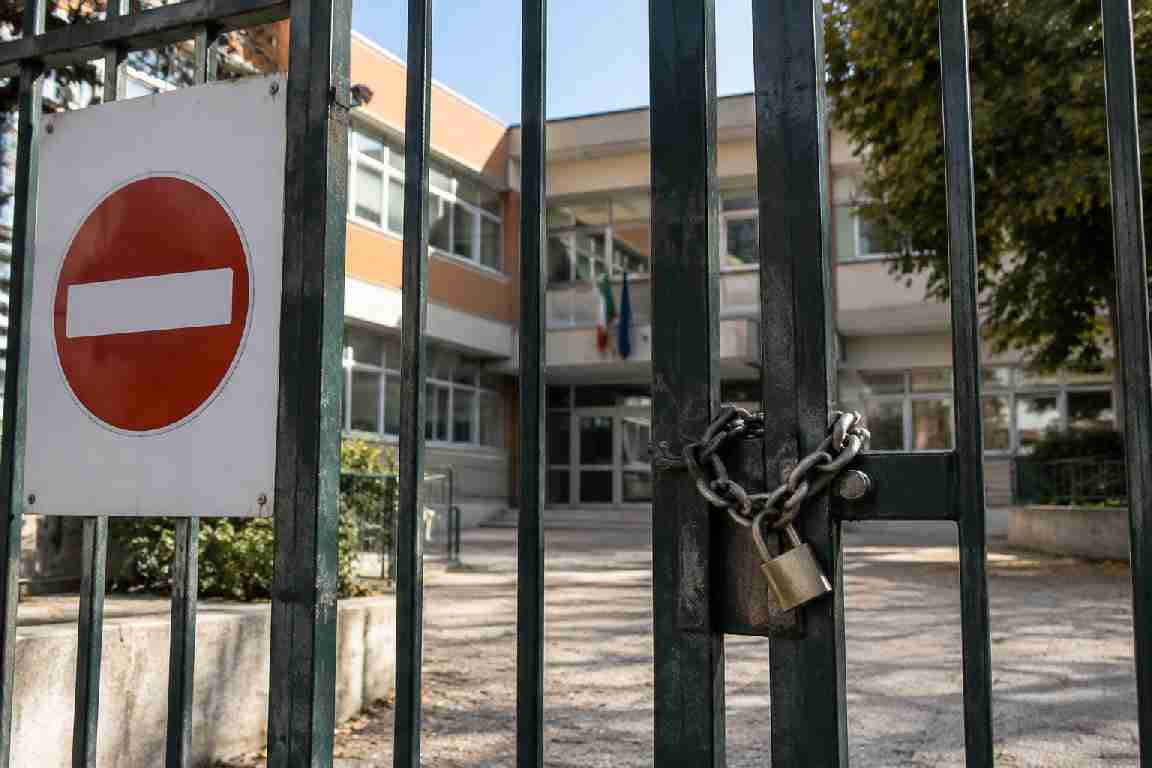
A legionella outbreak in Palermo has forced the closure of three school buildings and left around 1,000 pupils working in double shifts, as councillors and opposition figures call for urgent cleaning and checks on the water system.
The disruption has hit several school sites in the city, with the closures linked to concerns over legionella in the water network. The move has created immediate pressure on timetables, while also raising questions about how the affected premises are being monitored and maintained.
According to the report, three school blocks have been shut and teaching reorganised so that about 1,000 pupils can continue lessons in staggered sessions. The opposition has written to Palermo mayor Roberto Lagalla, asking for urgent remediation work and tighter checks on the water supply.
Legionella outbreak forces school closures
The incident is a reminder that a legionella outbreak can create far more than a short-term inconvenience. When schools, offices, care settings or other occupied buildings are taken out of use, the immediate challenge is not just disruption to occupants but how quickly the water system can be made safe again.
Legionella bacteria are a known risk in water systems where water sits unused, temperatures allow growth, or controls have slipped. In schools, that can be especially problematic after holiday periods, partial closures or changes in occupancy, when taps, showers and outlets may not be used regularly enough to keep the system in good condition.
In this case, the decision to close three sites suggests the risk was serious enough to require action before normal teaching could continue. For building operators, that is a clear sign that water hygiene problems cannot be treated as a routine maintenance issue once a building is already occupied.
Why the water system matters for dutyholders
For UK readers managing premises, the obvious lesson is that water systems need active oversight, not just occasional attention. That means knowing whether outlets are used regularly, keeping temperatures in the right range, flushing little-used taps and showers, and making sure records are up to date.
It also means having competent people involved. Whether the building is a school, rented property, office or leisure site, dutyholders need a proper risk assessment and a practical control regime that reflects how the site is actually used, not how it was designed on paper.
When a legionella outbreak is identified, the response usually turns on speed and discipline: isolate affected areas where needed, investigate the system properly, carry out cleaning or disinfection, and confirm that controls have been restored before reopening. Delays tend to make matters harder, particularly where the building serves vulnerable users or large numbers of people.
That is why the Palermo case will be watched closely by facilities teams and property managers elsewhere. Even without the details of the technical findings, the operational impact is plain enough: water safety failures can shut buildings, disrupt services and force awkward temporary arrangements for users.
Schools are especially exposed
Schools present a particular challenge because their water systems are often complex, and usage can be uneven. Large sites may have wings, blocks or rooms that are used only at certain times, while others see intense daily use. That mix can leave parts of the system underused if flushing routines and maintenance checks are not tight.
For head teachers, site managers and local authority teams, the issue is not simply whether a legionella outbreak has been confirmed, but whether the control arrangements are suitable for the building’s actual pattern of use. Changes in occupancy, reduced timetables, holiday closures and refurbishment work can all alter the risk profile.
Where children and staff are involved, there is very little room for complacency. If there is any sign of contamination or suspected colonisation, the response needs to be controlled and documented, with clear communication about access restrictions, alternative teaching arrangements and the condition of the water system.
What this means for UK compliance teams
For UK employers, landlords and responsible persons, the practical takeaway is straightforward: water safety has to sit alongside fire, asbestos and wider building compliance, not as an afterthought. The systems that prevent problems are usually mundane — inspections, flushing, cleaning, temperature control and record keeping — but they only work if someone is actually responsible for them.
Facilities managers should also be wary of inherited assumptions. A building may have passed previous checks and still become higher risk after changes in use, prolonged vacancy, poor occupation patterns or maintenance gaps. A compliant system on paper can still fail if outlets are left unused or monitoring is inconsistent.
“The opposition has written to Palermo mayor Roberto Lagalla, asking for urgent remediation work and tighter checks on the water supply.”
That demand reflects the wider expectation that public bodies and building operators should be able to show what is happening inside their water systems, not just rely on reactive repairs after a problem surfaces. For anyone running a site in the UK, the Palermo closures are a reminder that legionella management is part of day-to-day building control, not a once-a-year paperwork exercise.
With three schools still shut and double sessions in place for roughly 1,000 pupils, the immediate priority in Palermo is containment and safe reopening. For other dutyholders, the broader message is harder to ignore: a legionella outbreak can spread quickly into a service problem, a staffing problem and a governance problem if controls have not been kept in order.