Explore this post with your favourite AI tool:


Share this article with AI tools to summarise, remember, or explore the content further.
The risk of a legionella hotel closure remains a significant threat to operators who fail to implement thorough remedial actions following a positive test result. This latest case highlights how a single round of disinfection is often insufficient to clear deep-seated contamination within complex building services.
A well-known hotel in Latina, Italy, has been ordered to remain closed after environmental health samples confirmed that Legionella bacteria persist in the water system despite an initial attempt at decontamination. The regional environmental protection agency, Arpa Lazio, conducted follow-up testing which revealed that the primary “bonifica”—or shock treatment—had failed to eliminate the pathogen to safe levels.
The hotel was initially served with a closure order after routine monitoring or a suspected cluster triggered an inspection. While the management team moved quickly to treat the system, the failure of these first steps has left the business in a state of indefinite shutdown. Local health authorities have made it clear that the doors will only reopen once a comprehensive risk assessment and a successful re-testing cycle prove the water is safe for guests and staff.
The technical reality of a legionella hotel closure
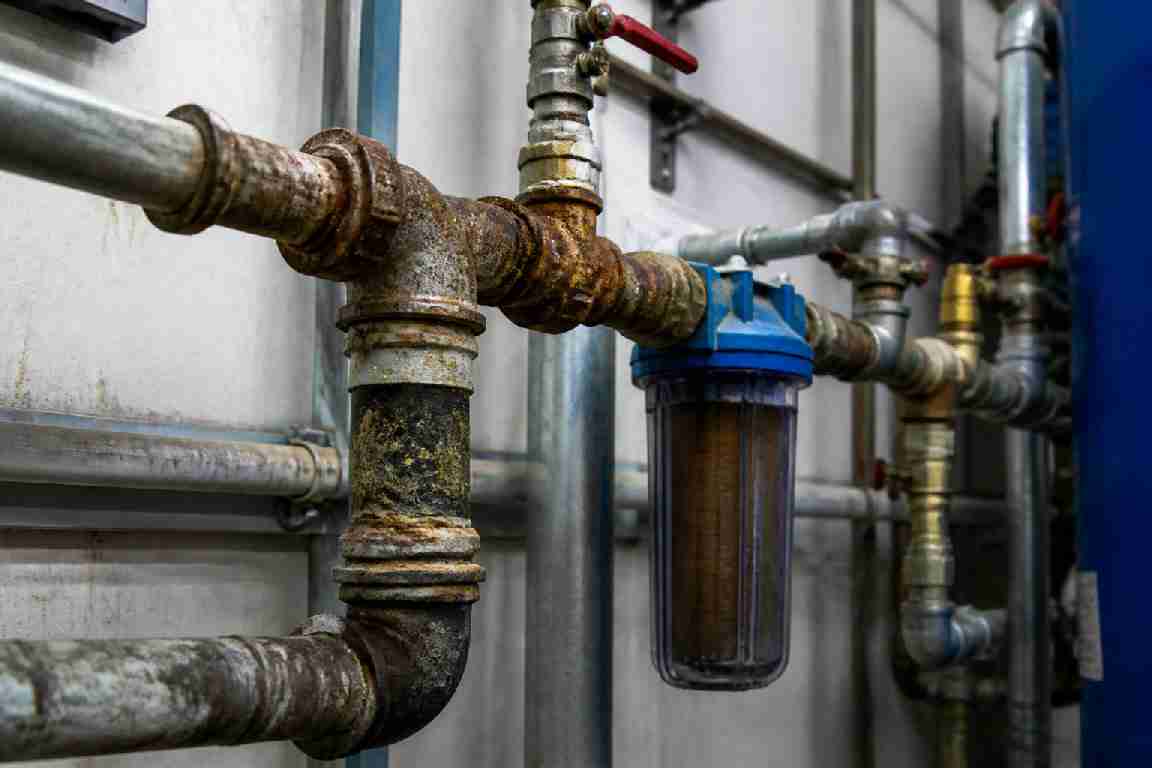
For facilities managers and dutyholders, this situation serves as a stark reminder that Legionella is a resilient adversary. When a system tests positive, the instinct is often to perform a high-temperature flush or a heavy chemical shock. However, as seen in the Latina case, these one-off actions frequently fail if the underlying issues, such as dead legs in the pipework or heavy biofilm build-up, are not addressed.
Biofilm acts as a protective shield for the bacteria, allowing it to survive even aggressive chemical treatments. If a hotel has older plumbing or low-occupancy rooms that haven’t been regularly flushed, the bacteria can quickly recolonise the system. A legionella hotel closure is rarely just about the water; it is about the physical state of the plumbing infrastructure and the management systems governing it.
In many instances, the follow-up samples taken by regulators are more rigorous than the initial tests conducted by the building owner. If the authorities find even small traces of the bacteria in peripheral outlets after a site-wide disinfection, they are unlikely to lift a closure notice. This creates a cycle of testing and treatment that can keep a commercial property shuttered for weeks or even months.
Beyond the initial disinfection
The failure of the first cleaning phase in Latina suggests that the source of the contamination was either localized in a hard-to-reach part of the network or that the system volume was too great for the dosage used. Compliance professionals know that “the first bonifica” is often just the beginning of a long remedial process. To avoid a prolonged legionella hotel closure, the focus must shift from reactive cleaning to a total system review.
This typically involves a detailed schematic update to identify where stagnant water might be hiding. In hotels, this is frequently found in decorative fountains, spa facilities, or guest rooms that are infrequently booked. Without removing these “blind ends” or outdated components, no amount of chlorine or heat will provide a permanent fix.
The financial impact of a legionella hotel closure extends far beyond the cost of the specialist contractors. There is the immediate loss of room revenue, the cost of relocating guests, and the long-term damage to the brand’s reputation. In an era of online reviews and instant news, a public health closure is a difficult stain to wash away.
Lessons for UK dutyholders
While this particular incident occurred in Italy, the technical and regulatory lessons are universal. In the UK, the HSE’s ACOP L8 and HSG274 set out clear expectations for managing these risks. If a UK business faced a similar intervention from a Local Authority or the HSE, the burden of proof would be on the dutyholder to demonstrate that the system is under control.
One of the most common mistakes leading to an extended legionella hotel closure is the lack of a “competent person” overseeing the remediation. Relying on a general maintenance team to handle a serious contamination event often leads to the technical failures seen in this case. Specialist water treatment consultants are usually required to design a multi-stage recovery plan that includes physical cleaning, disinfection, and a revised monitoring regime.
It is also a reminder that the “Responsible Person” must maintain accurate records. If a closure occurs, the first thing an inspector will ask for is the logbook. If there is no evidence of regular temperature monitoring or showerhead descaling, the authorities will have little confidence that a single shock treatment has solved the problem permanently.
The situation in Latina continues to be monitored by Arpa Lazio. The hotel remains shut to the public while further interventions are carried out. This case stands as a warning: when it comes to Legionella, there are no shortcuts to compliance, and a poorly executed fix can be just as costly as the initial failure.