Explore this post with your favourite AI tool:


Share this article with AI tools to summarise, remember, or explore the content further.
A legionella outbreak at a community hospital in Palazzolo has led to 17 patients being moved out while checks and disinfection work get under way. The positive case remains in hospital, and health officials are continuing monitoring at the site.
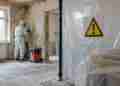
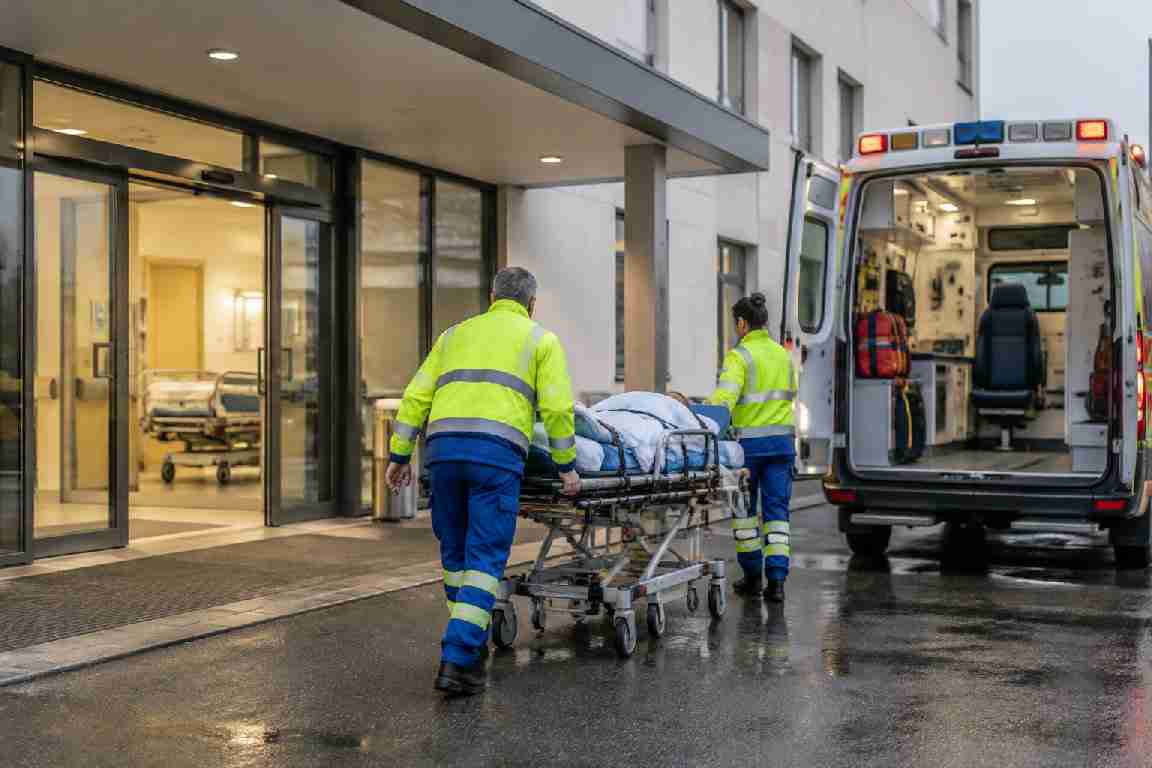
A community hospital in Palazzolo has been cleared of patients after a legionella outbreak prompted immediate control measures and further checks at the site.
Seventeen patients were transferred from the Ospedale di Comunità while monitoring and disinfection work began following an identified case. The older patient who tested positive is being treated at the Civile hospital, while investigations by Ats Brescia continue.
Legionella outbreak triggers patient transfer
The response at the facility has been swift. Removing patients from the building is a standard precaution when a water system is suspected of carrying legionella bacteria, especially in healthcare settings where occupants may be more vulnerable to infection.
In this case, the decision to empty the hospital appears to have been taken to allow checks to be carried out without delay and to reduce any further risk while the source is assessed. The move also gives investigators space to examine the water system, identify any areas of concern and carry out disinfection before the building is used normally again.
For healthcare premises, the stakes are higher than in many other buildings. Patients may have reduced immunity, existing respiratory illness or other conditions that make exposure more serious, so even a small number of linked cases can lead to decisive action.
Why the incident matters for dutyholders
This type of incident is not limited to hospitals. Legionella control is a live issue for landlords, care providers, schools, leisure sites, offices and industrial premises with stored or circulated water systems.
Dutyholders need a current risk assessment, a working control regime and records that show the system is being managed properly. That usually means keeping hot and cold water temperatures under review, preventing water from stagnating, maintaining plant and pipework, and using competent people to carry out inspection, sampling and remedial work where needed.
Where a legionella outbreak is suspected, the response should be immediate and structured. That means isolating affected parts of the system if necessary, arranging suitable testing and cleaning, communicating clearly with building users and keeping a proper audit trail of what was done and when.
For facilities teams, the practical lesson is simple: water systems need routine attention, not just a file of paperwork. In many buildings, problems build up quietly through poor temperature control, little-used outlets, dead legs, scale, or maintenance that has drifted over time.
Checks and disinfection now under way
According to the report, monitoring and disinfection measures have started at the Palazzolo hospital while Ats Brescia continues its verification work. That suggests the investigation is still at an early stage and the full picture has not yet been confirmed.
In real terms, this is the point where building operators have to be methodical. A rushed restart can be a mistake if the underlying issue has not been found. Water services should only return to normal use once the system has been assessed, cleaned where necessary and judged safe by the competent people overseeing the work.
Healthcare sites in particular tend to have more complex water arrangements than standard commercial premises, with multiple outlets, stored water and sections that are not used constantly. Those features can make control harder if maintenance is inconsistent.
“Diciassette pazienti trasferiti, al via monitoraggi e disinfezioni dopo un caso accertato. L’anziano risultato positivo è ricoverato al Civile, mentre proseguono le verifiche di Ats Brescia.”
What employers and property managers can take from this case
For UK employers, landlords and responsible persons, the incident is a reminder that water hygiene is not a box-ticking exercise. If people are housed, treated, or work in a building with hot and cold water services, showers, cooling systems or stored water, the risk should be actively managed rather than assumed away.
That means keeping up-to-date records, reviewing risk when occupancy changes, and making sure any remedial work is carried out by people who understand the system. It also means taking reports of low flow, temperature issues, disuse or dirty outlets seriously before they turn into a wider problem.
Where there are vulnerable occupants, such as patients, residents or older people, the threshold for action is naturally lower. A suspected legionella outbreak can quickly affect room use, patient movement, cleaning arrangements and the availability of parts of a building.
The Palazzolo case is still developing, but the immediate shutdown of patient areas shows how quickly a water hygiene issue can become an operational problem as well as a health one. For any dutyholder, that is usually the clearest warning sign that prevention and routine control matter long before a positive result appears.