Explore this post with your favourite AI tool:


Share this article with AI tools to summarise, remember, or explore the content further.
A legionella outbreak that shut school changing rooms in Valongo, Portugal, is easing, with the school facilities now able to reopen while a nearby football stadium remains closed. For anyone managing occupied buildings, it is a reminder that water systems, shower areas and periodic testing cannot be treated as background tasks.
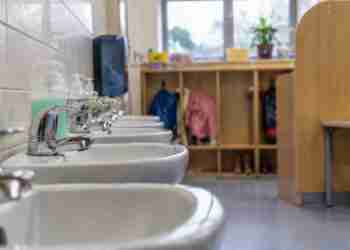
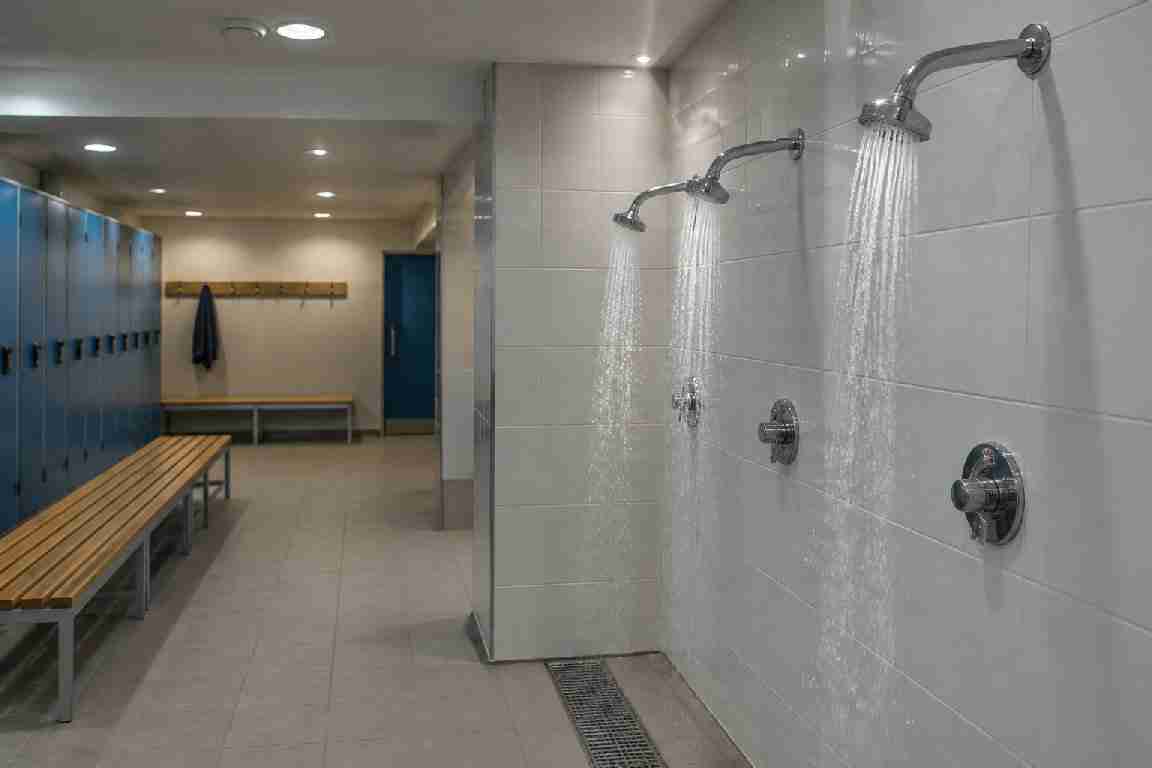
School changing rooms in Valongo may now reopen after being closed since 8 September because of legionella contamination, but the football stadium in Sobrado, in the same parish, will have to stay shut for longer.
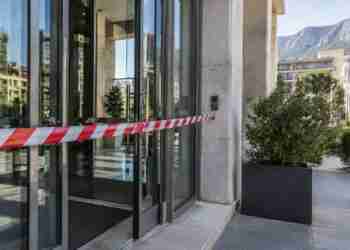
The closure was triggered by a legionella outbreak affecting the school’s changing facilities. The same day, the Sobrado football stadium was also taken out of use, underlining how quickly a water hygiene issue in one part of a local estate can spread into wider disruption for schools, sports venues and community buildings.
School balneários cleared, stadium still waiting
The latest position is that the school balneários can reopen, which suggests the immediate risk in those areas has been brought under control. The stadium, however, is still subject to restrictions and cannot yet be used as normal.
That split outcome is typical of legionella management in practice. Different buildings, pipework layouts, shower blocks and occupancy patterns do not always respond in the same way, even where they sit on the same site or are managed by the same local authority or operator.
For facilities managers and dutyholders, the message is straightforward: each water system needs its own assessment, sampling regime and remedial plan. A clearance in one area does not automatically mean the whole estate is fit for use.
Why a legionella outbreak matters for building operators
Legionella bacteria become a problem when they grow in stored or stagnant water and then spread through droplets that can be inhaled, such as from showers, taps or cooling systems. Changing rooms, sports facilities and schools are among the places where this risk has to be managed carefully because water outlets are used regularly and by many different people.
A legionella outbreak also creates an operational problem beyond the immediate health risk. When showers, washrooms or whole buildings have to be taken out of service, managers must find alternative arrangements quickly, communicate clearly with users and keep records showing what was done and when.
That is especially important in public-facing buildings where parents, pupils, staff, sports clubs and contractors may all be using the same site. Confusion over which areas are safe to use can lead to avoidable exposure, complaints and reputational damage long after the initial contamination has been tackled.
What dutyholders should take from the closure
For UK readers, the practical lesson is not limited to schools or sports venues in Portugal. Any employer, landlord or responsible person with showers, stored water or little-used pipework should expect legionella control to be part of routine management, not a one-off exercise after something goes wrong.
That means keeping risk assessments current, checking whether outlets are actually being used, and making sure inspection and flushing arrangements still match the building’s occupation. It also means using competent people for sampling, cleaning and remedial work rather than assuming a basic maintenance visit will be enough.
Where an issue is identified, records matter. A clear paper trail of testing, cleaning, temperature checks and temporary restrictions helps demonstrate that the problem was recognised and addressed rather than left to drift.
Legionella outbreak and the wider compliance picture
In practice, a legionella outbreak often exposes weaknesses that were already there: dead legs in pipework, poor circulation, unoccupied areas, weak supervision or maintenance gaps after a change in use. Those issues can lurk for months if nobody is reviewing the system properly.
That is why schools, leisure operators, landlords and facilities teams are usually advised to treat water hygiene as part of wider building compliance, alongside fire safety, asbestos management and general maintenance. A clean building on paper is not much use if the water systems inside it are not being looked after.
“Aquele equipamento escolar estava encerrado desde 8 de setembro, devido a um foco de legionella nos balneários, dia em que o estádio de futebol do Sobrado, na freguesia com o mesmo nome, foi também …”
The Portuguese case is a reminder that closure decisions can be uneven and staged, depending on the findings in each building area. For dutyholders elsewhere, that means a measured response is usually better than rushing to reopen spaces before the checks are complete.
For anyone responsible for showers, changing areas or other water systems, the key point is simple enough: once a legionella outbreak has been identified, reopening should follow evidence, not optimism. In mixed-use sites, that can mean one block comes back into service while another remains out of bounds until the system is properly verified.