Explore this post with your favourite AI tool:


Share this article with AI tools to summarise, remember, or explore the content further.
health and safety representative training is now open for expressions of interest ahead of a five-day course in Sydney next November, with the programme aimed at equipping elected safety representatives to handle workplace risks more effectively.
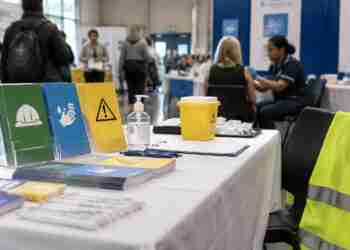
The PSA CPSU NSW has started taking registrations for its Health and Safety Representative (HSR) initial training course, which will run at PSA House in Sydney from 9 to 13 November 2026.
The five-day course is intended for workplace health and safety representatives and is described as initial training, meaning it is aimed at people taking on the role for the first time. For employers and managers, that makes it a useful reminder that safety reps need more than a badge or a title; they need practical knowledge to spot hazards, raise issues properly and work through the system that applies in their workplace.
health and safety representative training for first-time safety reps
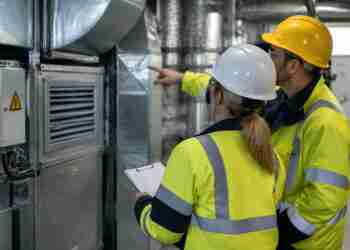
health and safety representative training is usually most valuable when it is tied to the realities of a workplace rather than treated as a box-ticking exercise. A five-day programme gives room to cover the basics of risk management, consultation, incident reporting and the role of the representative in speaking up for workers.
That matters in environments where hazards can build up quietly: poor housekeeping, manual handling, unsafe plant, contractor activity, fatigue, slips, fire risks and weak communication between staff and management. A trained representative is often the person who notices the pattern before it turns into an incident.
Although the course being advertised is in New South Wales, the wider point will be familiar to UK dutyholders. Competent worker representatives can strengthen day-to-day control of risks, but only if they understand what to look for and how to escalate concerns through the organisation.
Why training still matters on the ground
For facilities managers, landlords, employers and responsible persons, the value of health and safety representative training is not just in awareness. It can improve the quality of reporting, help avoid repeated failures and make toolbox talks, inspections and safety meetings more useful.
In practice, a trained rep is more likely to ask for evidence rather than accept reassurance. That can mean checking whether a cleaning regime is actually being carried out, whether contractors have been briefed properly, whether maintenance records are up to date, or whether a hazard that was raised last month has genuinely been dealt with.
That sort of scrutiny can be uncomfortable, but it is often where weak controls are exposed. It also gives managers a better chance of dealing with issues early, before they become complaints, enforcement problems or avoidable downtime.
The relevance for UK workplaces and managed buildings
UK organisations dealing with compliance in offices, housing, care settings, schools, industrial sites or construction projects will already recognise the value of trained safety representatives. The role sits alongside formal risk assessments and management controls, not outside them.
Where there are multiple contractors on site, changing occupiers, shared common parts or a mix of public and worker access, the need for clear communication becomes more obvious. health and safety representative training helps create a shared language around risk, which is often what is missing when issues keep reappearing.
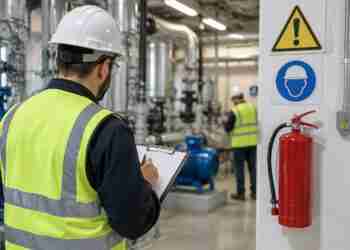
It is also relevant to building owners and managing agents who rely on site teams to keep records straight and hazards visible. If a representative knows how to challenge poor practice in a structured way, problems such as blocked exits, unsuitable storage, missing signage or poor control of plant rooms are less likely to be missed.
“The course is intended to give workers the confidence and practical knowledge they need to represent their colleagues effectively and deal with health and safety issues in the workplace.”
What employers and dutyholders should take from it
The announcement is a reminder that training is only useful when it leads to action. Employers that support health and safety representative training should also make sure there is a proper route for issues to be logged, investigated and closed out, rather than left to drift.
That means having routine inspections, keeping minutes or action lists, following up on defects and involving the right people when specialist input is needed. If the representative is raising the same issues repeatedly, the problem is usually not the training; it is the response.
For dutyholders and compliance teams, the practical lesson is straightforward. A trained safety representative can be an extra set of eyes, but only if the workplace is willing to listen and act on what they report.
With places on the November 2026 course now open for expressions of interest, the PSA CPSU NSW is positioning the programme for workers stepping into the representative role for the first time. For any organisation that takes worker consultation seriously, that is the point at which training starts to matter most.