Explore this post with your favourite AI tool:


Share this article with AI tools to summarise, remember, or explore the content further.
Implementing the right health and safety software has become a priorities-led decision for UK firms looking to move beyond basic spreadsheets and paper trails. As regulatory pressure increases across sectors like construction and manufacturing, the transition to digital systems is often driven by the need for better data visibility and more reliable audit trails.
The shift towards digitising safety management is accelerating as organisations realise that traditional manual methods often struggle to keep pace with modern compliance demands. Managing risk in complex environments requires more than just a locked filing cabinet; it requires a system that can provide real-time insights and ensure that no inspection or training renewal is missed.
Choosing a platform is rarely a straightforward task, as the market is flooded with options ranging from simple reporting apps to enterprise-level management systems. For dutyholders and facilities managers, the challenge lies in identifying a solution that actually fits their operational reality rather than just checking a box for the IT department.
The operational shift toward health and safety software
For many UK businesses, the move to health and safety software is sparked by a specific pain point, such as a near-miss that wasn’t properly tracked or the administrative burden of preparing for an external audit. When documentation is scattered across various site offices or buried in email chains, the “responsible person” under safety legislation faces a significant challenge in proving that risks are being managed effectively.
A digital approach changes the dynamic from reactive to proactive. By centralising data, compliance managers can identify trends before they result in accidents. If a certain type of equipment is consistently failing pre-use checks across multiple sites, a digital system flags that pattern immediately, allowing for a broader investigation into procurement or maintenance schedules.
The core functionality of these platforms typically revolves around incident reporting, risk assessments, and asset management. However, the real value for a UK employer is the ability to demonstrate a “safety first” culture to regulators, insurers, and clients. In a high-stakes environment, having a verifiable, time-stamped record of safety activities is an essential part of a legal and ethical defence strategy.
Key considerations for selecting health and safety software
Before committing to a vendor, it is vital to audit your existing processes. Many organisations make the mistake of buying a complex system and then trying to force their workforce to use it, rather than finding a tool that mirrors how work actually happens on the ground. User adoption is the single biggest factor in whether a software deployment succeeds or fails.
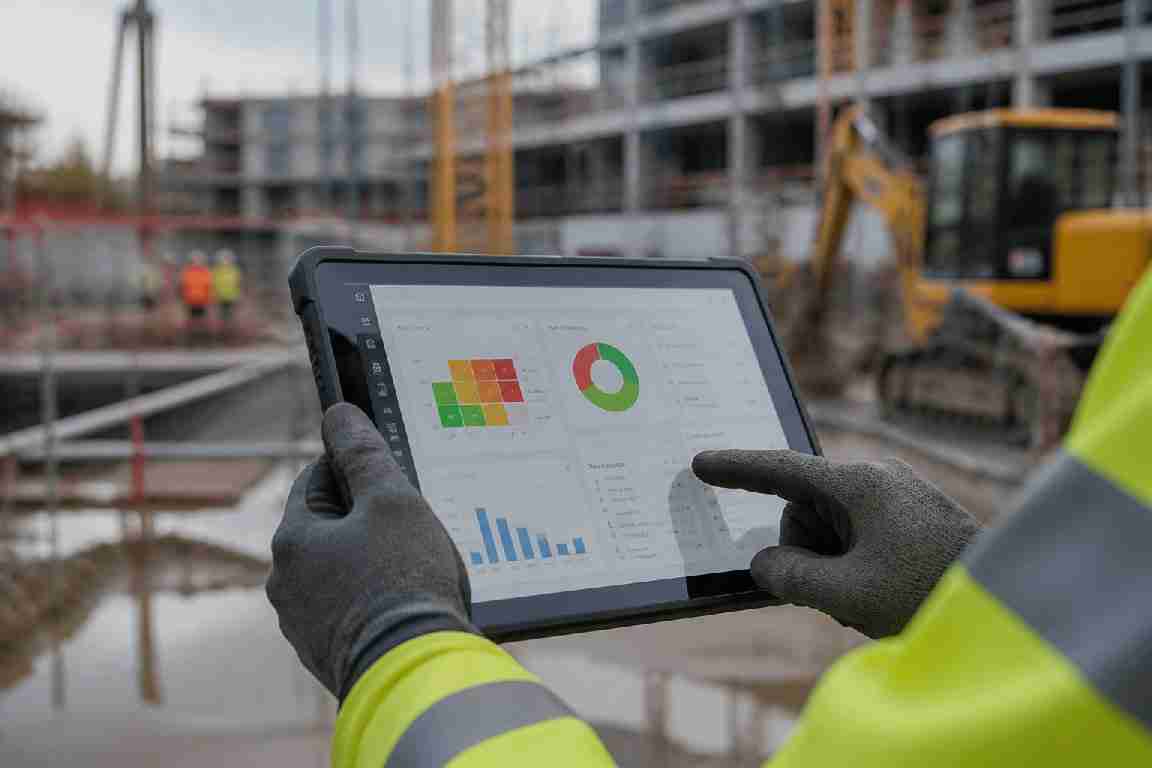
Mobile capability is no longer an optional extra. For site-based industries like construction or facilities management, workers need to be able to log hazards or complete checklists at the point of work. If the health and safety software is too clunky to use on a tablet in the rain or requires a constant high-speed internet connection in a basement, it will likely be ignored or bypassed by the people who need it most.
Integration is another critical factor. A safety system should not exist in a vacuum; it often needs to talk to HR software for training records or fleet management systems for vehicle inspections. Ensuring that data can flow between these platforms prevents the duplication of work and reduces the likelihood of manual data-entry errors that could lead to a compliance gap.
Meeting the needs of UK dutyholders
From a compliance perspective, the software must be flexible enough to handle the specific regulatory landscape of the UK. This includes the ability to manage COSHH assessments, RIDDOR reporting timeframes, and the distinct requirements of the Construction (Design and Management) Regulations 2015. A generic global product may need significant customisation to ensure the terminology and reporting structures align with Health and Safety Executive (HSE) expectations.
Scalability is also a primary concern for growing businesses. A system that works for a single site with fifty employees may buckle under the weight of an expanding multi-site operation. Decision-makers should look for health and safety software that can grow with them, offering tiered permissions so that site managers see only what they need, while the group-level compliance team can view the entire organisation’s performance at a glance.
Data security and hosting are also high on the agenda. Given that safety records often contain sensitive personal information about employee health or accident details, the platform must meet high standards for data protection and GDPR compliance. Knowing where the data is stored and who has access to it is as much a part of risk management as the safety inspections themselves.
Ultimately, the goal of adopting such a system is to simplify the complex task of keeping people safe. While the initial investment in time and budget can be significant, the cost of a compliance failure or a major workplace injury far outweighs the price of an effective digital management tool. As the UK safety landscape continues to evolve, the move toward data-driven risk management appears not only sensible but inevitable.