Explore this post with your favourite AI tool:


Share this article with AI tools to summarise, remember, or explore the content further.
Investing in health and safety training remains a critical priority for firms looking to navigate the increasingly complex regulatory landscape of the UK construction sector. The recent partnership between Tyne and Wear-based Carney Consultancy and Castle highlights a growing trend of specialist firms seeking external expertise to manage high-risk compliance requirements.
Specialist health and safety firm Carney Consultancy has secured a significant contract with Castle, a prominent construction and engineering firm, to oversee its health, safety, and environmental (HSE) requirements. This deal sees the consultancy take over a wide range of responsibilities for Castle, including site inspections, documentation, and the provision of professional advice across its diverse project portfolio.
Based in North Shields, Carney Consultancy has established itself as a niche provider for the construction and property sectors. The firm’s growth is reflective of a wider shift in the industry, where Tier 1 and Tier 2 contractors are moving away from purely in-house compliance teams in favour of a hybrid model that utilises external consultants for independent auditing and specialist technical knowledge.
Strengthening compliance through health and safety training
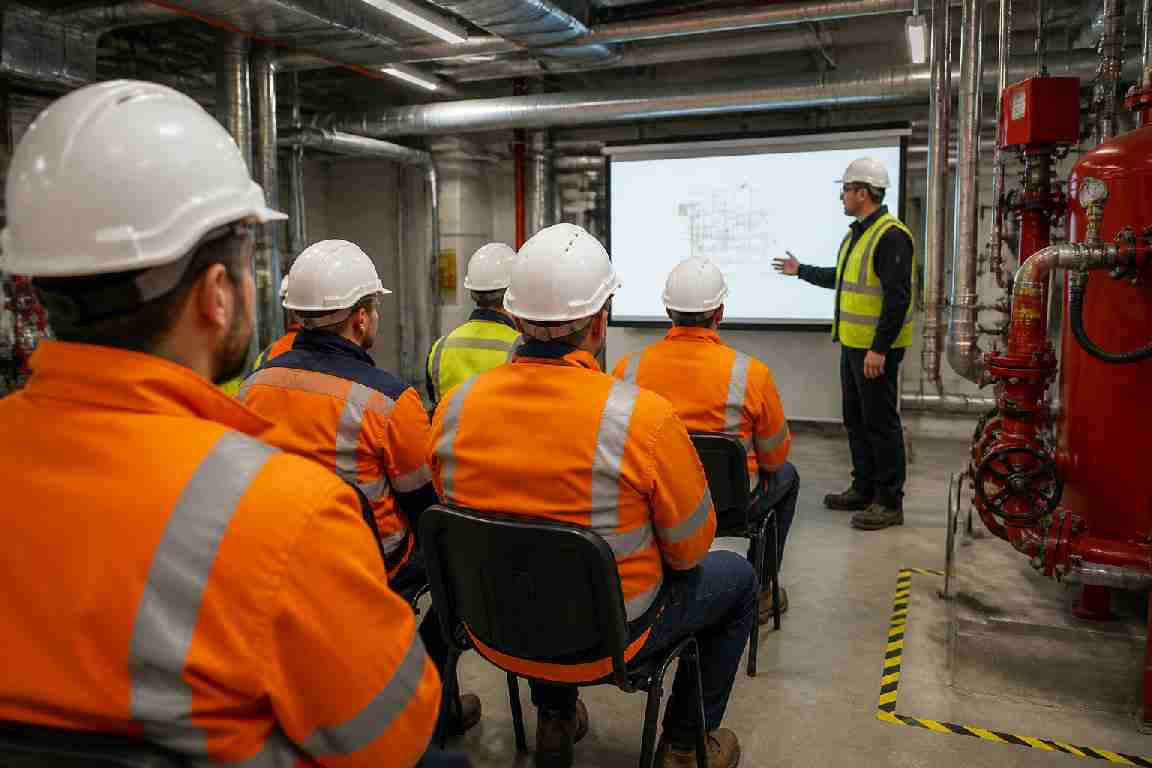
The deal is not just about site inspections and paperwork; it focuses heavily on the human element of risk management. A core part of the agreement involves delivering tailored health and safety training to Castle’s workforce, ensuring that site staff and management are up to speed with the latest legislative changes and best practice guidelines.
For firms operating in the engineering and construction space, the ability to demonstrate a competent workforce is no longer a “nice to have”—it is a pre-requisite for tendering. By formalising this partnership, Castle is positioning itself to meet the rigorous demands of the Building Safety Act and other recent regulatory shifts that place greater emphasis on the competence of individual dutyholders.
The scope of the work is extensive. Beyond the classroom, Carney Consultancy will be responsible for conducting regular site visits to monitor physical safety standards. They will also manage the necessary health and safety training records and certificates, providing a clear audit trail for the Health and Safety Executive (HSE) or clients should an inspection occur.
Meeting the demands of modern construction
Angela Carney, Managing Director at Carney Consultancy, noted that the relationship with Castle had developed over time before formalising into this new arrangement. The consultancy had previously worked with the firm on a project-by-project basis, but the new deal signals a more strategic, long-term approach to risk management.
This type of partnership is becoming the blueprint for mid-sized firms that have outgrown basic compliance measures but aren’t yet at the scale where they can justify a massive internal safety department for every specialist niche. Using an external partner allows for a degree of objectivity that internal teams sometimes lack, particularly when it comes to identifying site-level non-conformance.
For the wider industry, this deal serves as a reminder that health and safety training is most effective when integrated into a broader management system. It isn’t just about ticking a box once a year; it is about ensuring that the advice given during a site audit matches the instruction provided in the training room.
Managing high-risk engineering environments
Castle operates across several high-stakes sectors, including mechanical and electrical engineering, which carry specific risks ranging from electrical safety to working at height and fire risk management. Having a dedicated consultancy to manage these variables allows the firm’s project managers to focus on delivery without losing sight of their legal duties as an employer.
Effective health and safety training in these environments must be specific. Generic “off-the-shelf” courses rarely address the nuances of complex M&E installations or the environmental risks associated with modern building sites. The Carney-Castle deal emphasizes the need for bespoke programmes that reflect the actual day-to-day hazards faced by technicians and engineers on the ground.
The partnership also covers environmental compliance, an area that is frequently overlooked but carries significant legal and reputational risks. From waste management to pollution prevention, the consultancy will provide the necessary oversight to ensure Castle meets its obligations under environmental legislation, further consolidating the firm’s compliance posture.
As the construction sector continues to face scrutiny over building safety and workforce competency, moves like this highlight how firms are attempting to stay ahead of the curve. By outsourcing the technical heavy lifting of health and safety training and site auditing to specialists, contractors can ensure their safety culture remains proactive rather than reactive.