Explore this post with your favourite AI tool:


Share this article with AI tools to summarise, remember, or explore the content further.
Understanding this legionella symptoms guide is essential for UK dutyholders as Italy reports a significant rise in infections, highlighting the ongoing risk posed by poorly managed water systems across Europe.
Recent data from the European Centre for Disease Prevention and Control (ECDC) has placed Italy at the forefront of Legionnaires’ disease cases in Europe. The reporting suggests that one in four emergency room visits at some major facilities, such as the Bambino Gesù in Rome, are now linked to complications arising from high temperatures and waterborne pathogens. This spike serves as a reminder to UK building managers that environmental shifts and stagnant water remains a potent threat to public health.
Legionnaires’ disease is a severe form of pneumonia caused by the Legionella bacteria. While the Italian figures are particularly high, the underlying causes—rising temperatures and the colonisation of complex water systems—are issues that UK facilities managers and landlords face daily. In the UK, the Health and Safety Executive (HSE) maintains strict expectations through the ACoP L8 and HSG274 guidance, but the European trend indicates that the margin for error in water safety is narrowing.
Using a legionella symptoms guide to protect occupants
For those responsible for building safety, being able to identify the early signs of infection is a vital component of a wider risk management strategy. While a legionella symptoms guide is not a substitute for professional medical advice, it provides the necessary context for dutyholders to understand why rapid response to system contamination is non-negotiable. The disease typically manifests as a high fever, chills, a persistent cough, and muscle pain. In more severe cases, patients experience shortness of breath and mental confusion.
The Italian report highlights that the bacteria thrive when water temperatures sit between 20°C and 45°C. When these temperatures are combined with “dead legs” in pipework or infrequently used outlets, the risk of aerosolisation—where the bacteria are inhaled via fine mist from showers, taps, or cooling towers—increases exponentially. For UK employers and landlords, the responsibility lies in ensuring these conditions never take root in the first place.
The health implications extend beyond simple respiratory issues. Because the symptoms often mirror those of the flu or other forms of pneumonia, Legionnaires’ disease is frequently under-reported until a cluster of cases emerges. This is why a legionella symptoms guide is useful for site staff; if a member of a maintenance team or a resident reports these specific ailments following work on a water system, it should trigger an immediate review of the site’s water safety records and potentially a sampling regime.
From a compliance perspective, the Italian situation underscores the importance of the “Responsible Person” role in the UK. Under the Control of Substances Hazardous to Health (COSHH) Regulations, there is a legal requirement to identify and assess sources of risk. If a building’s water system is not being flushed regularly, or if thermostatic mixing valves (TMVs) are not being serviced, the building owner is effectively leaving the door open for Legionella colonisation.
The rise in cases across the continent is also being linked to climate change. As heatwaves become more frequent, cold water storage tanks that are poorly insulated can quickly reach the “danger zone” temperatures mentioned in our legionella symptoms guide. Similarly, cooling towers that are not properly chemically treated can become breeding grounds during peak summer months. This environmental factor means that historical risk assessments may no longer be fit for purpose if they do not account for higher ambient temperatures.
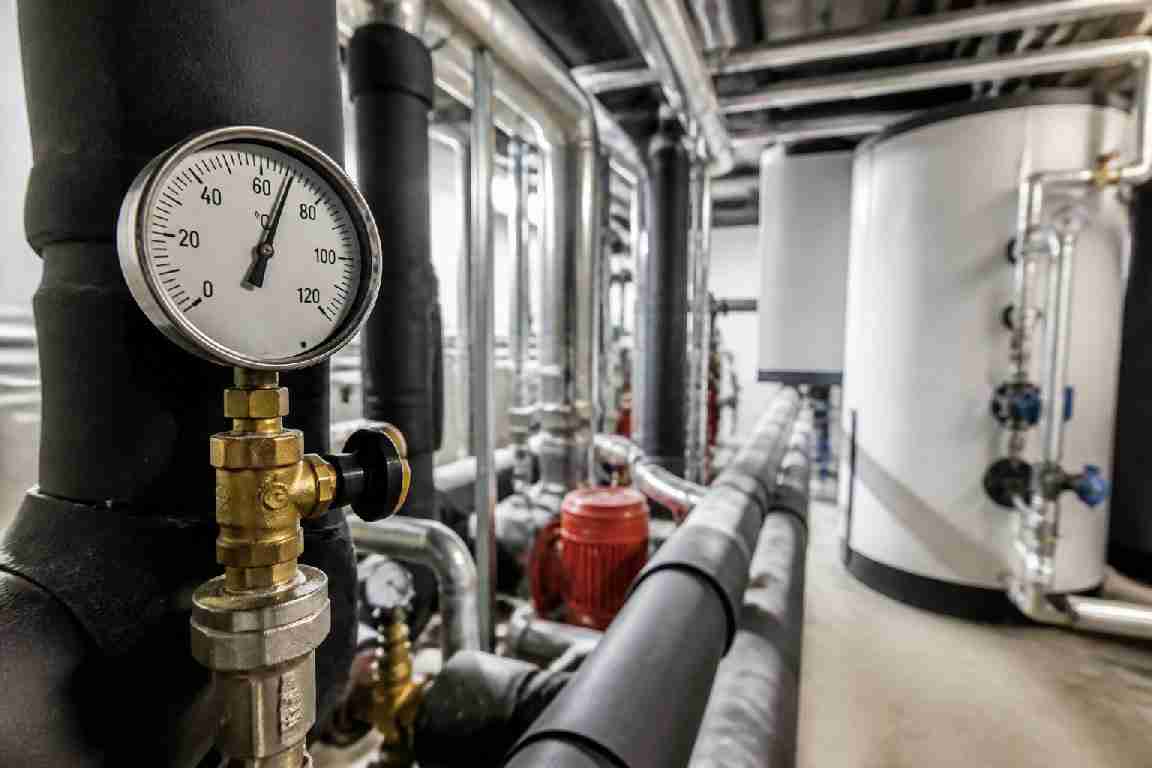
Practical management should focus on temperature control as the primary method of defence. Hot water should be stored at 60°C and distributed so that it reaches at least 50°C within one minute at the outlets. Cold water must be kept below 20°C. Where these temperatures cannot be consistently maintained, dutyholders must look at alternative biocidal treatments or engineering upgrades to the system. Documentation is the backbone of this process; without a clear logbook of temperatures and flushing regimes, a landlord has no defence in the event of an outbreak.
The data from Italy acts as a cautionary tale for the UK property sector. It is not just about ticking a box for a quinquennial risk assessment; it is about the active, daily management of water health. When a legionella symptoms guide becomes a talking point in an emergency room, it usually signifies a failure of preventative maintenance further up the chain. For UK compliance managers, the goal remains the same: ensuring that the bacteria never reach a concentration where they can cause harm.
As we move into warmer seasons, the pressure on water systems will only increase. Reviewing your current risk assessment and ensuring that all staff are aware of the basic legionella symptoms guide triggers can prevent a manageable maintenance issue from escalating into a public health crisis and a significant legal liability.