
Explore this post with your favourite AI tool:


Share this article with AI tools to summarise, remember, or explore the content further.
Health officials managing a legionella hotel outbreak in Italy have ordered a second round of disinfection after initial cleaning efforts failed to eradicate the bacteria. The situation highlights the significant technical challenges facing dutyholders when trying to clear a colonised water system, particularly in complex hospitality environments.
Following a series of inspections and laboratory tests by Arpa Lazio (the regional environmental protection agency), traces of the bacteria were again identified in several guest rooms at the Garden Hotel in Latina. The local health authority, Asl, subsequently notified the municipality, leading to a new official order for further remediation work.
This development follows an earlier intervention where the building was first identified as a risk. Despite the implementation of a sanitisation programme, the follow-up samples proved that the system remained compromised. The local mayor has now signed a formal provision requiring the property owners to undertake a more intensive “reclamation” of the water network to ensure public safety.
Persistent risks in the wake of a legionella hotel outbreak
The persistence of the bacteria after a first attempt at disinfection is a scenario that many UK facilities managers and responsible persons will find familiar. When a legionella hotel outbreak occurs, the immediate reaction is often to shock the system with high levels of chlorine or thermal disinfection. However, these methods can sometimes fail to penetrate deep-seated biofilm or reach “dead legs” in the pipework.
In the case of the Garden Hotel, the fact that bacteria were still present in specific guest rooms suggests that the initial treatment may not have reached all parts of the distribution network. This often happens in buildings with complex layouts where water usage is inconsistent, allowing the bacteria to thrive in stagnant sections despite the treatment of the main storage tanks.
For those managing compliance, this case serves as a reminder that a single “flush and clean” is rarely a guaranteed fix. Re-testing is the only way to verify that a system is truly safe for re-occupation. The Italian authorities have been clear that the hotel cannot return to normal operation until the water quality meets the required safety thresholds across all sampling points.
The technical requirements for the second round of work are expected to be more stringent. Local reports indicate that the municipal order doesn’t just call for more chemicals, but for a thorough review of the water system’s infrastructure to identify why the first attempt failed to clear the contamination.
Lessons for UK dutyholders and facilities managers
While this specific legionella hotel outbreak is unfolding in Italy, the compliance lessons are universal. In the UK, the HSE’s ACoP L8 and HSG274 guidance documents place a heavy emphasis on the “responsible person” ensuring that any remedial work is not just carried out, but is effective. If a UK hotel were in this position, the failure of an initial disinfection would likely lead to increased scrutiny from environmental health officers.
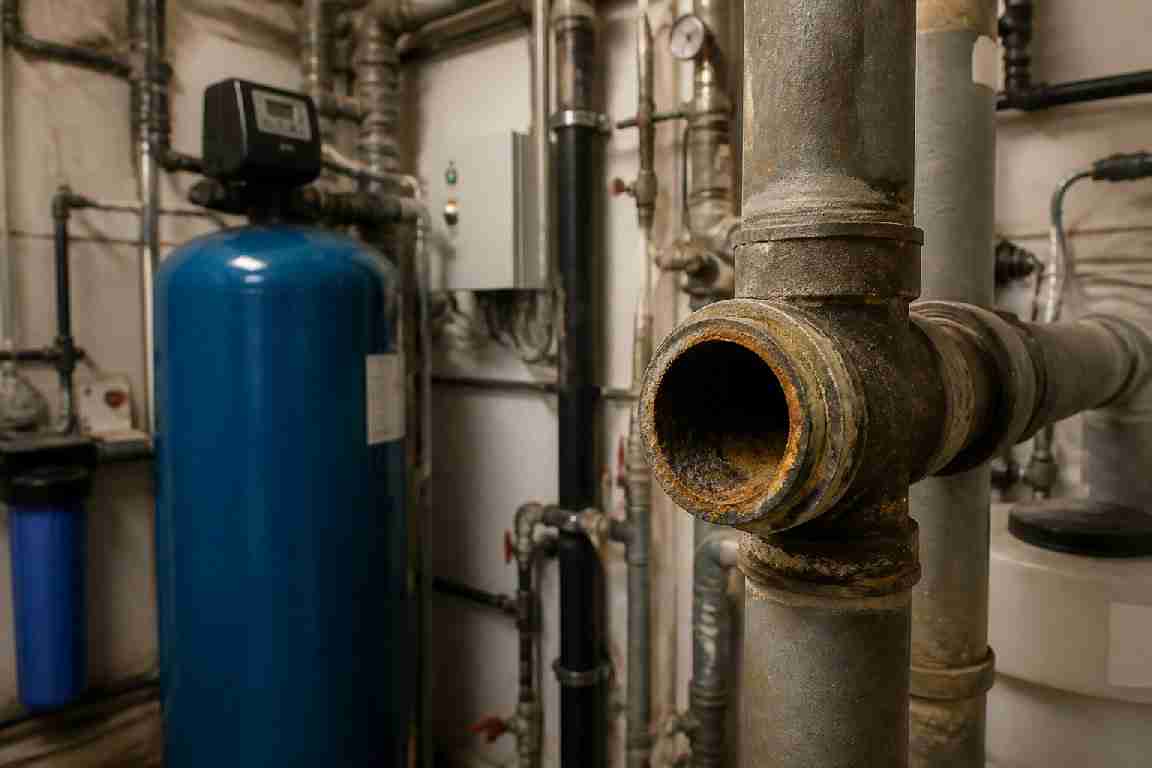
One of the primary issues in older hotel buildings is the presence of outdated plumbing. Biofilm—a slimy layer of microorganisms that sticks to the inside of pipes—acts as a protective shield for Legionella pneumophila. If the biofilm is not physically or chemically disrupted, the bacteria can quickly recolonise the system once the initial shock treatment levels subside.
The ongoing legionella hotel outbreak also raises questions about the financial and reputational impact of prolonged closures. Beyond the cost of the specialist contractors, the loss of bookings and the damage to the brand can be far more damaging than the cost of a proactive maintenance and sampling regime.
For property managers, the takeaway is clear: verification is as important as the treatment itself. Relying on a certificate of disinfection without follow-up laboratory analysis is a major compliance risk. The authorities in Latina are now requiring a comprehensive report on the new remediation measures to ensure that this second attempt is successful.
As the hotel prepares for this next phase of cleaning, the local health department will continue to monitor the site. The case remains a stark example of how difficult it can be to regain control of a building’s water safety once a legionella hotel outbreak has been confirmed and the bacteria have established a foothold in the infrastructure.



