Explore this post with your favourite AI tool:


Share this article with AI tools to summarise, remember, or explore the content further.
A legionella outbreak at a municipal swimming pool in Włocławek has led to part of the site being closed, with only the sports pool remaining open. For operators and dutyholders, it is another reminder that water systems and leisure facilities need close monitoring, not periodic attention when something goes wrong.
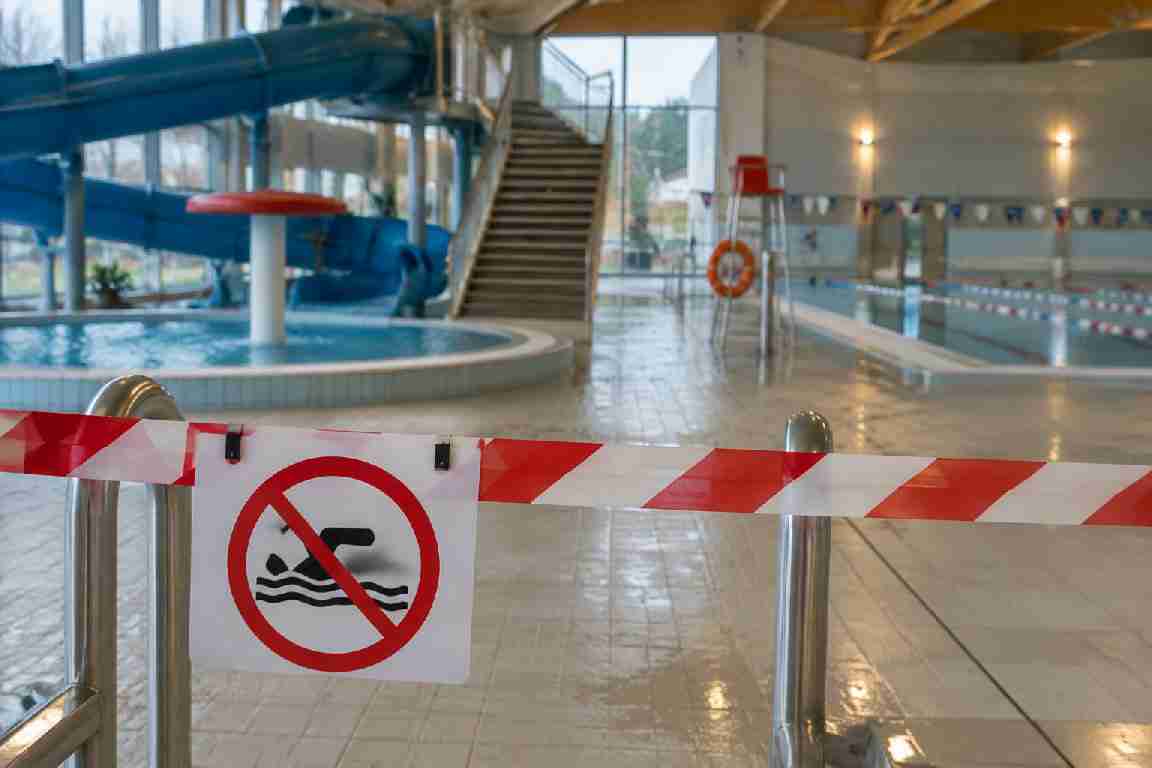
Only the sports pool at the municipal swimming pool on Wysoka Street is currently in use. The recreational pool, including the slide and other attractions, has been shut until further notice after legionella was found at the site.
Legionella outbreak leads to partial closure
The affected pool complex in Włocławek has been partially closed while the issue is dealt with. According to the report, the section with swimming lanes remains open, but the leisure pool is unavailable for the time being.
The source material does not say when the problem was identified or how long the closure is expected to last. What is clear is that the finding was serious enough to take part of the facility out of service straight away.
That is standard practice when there is a concern about legionella in a public or commercial water system. If the risk cannot be controlled quickly and confidently, the safest option is usually to restrict access until checks, cleaning or remedial treatment are complete.
Why this matters for pool operators and facilities teams
A legionella outbreak in a pool environment is not just a public health issue. It is also a management failure if routine water safety controls, monitoring and maintenance have not been kept in order.
For facilities managers, building operators and those responsible for leisure sites, this kind of incident underlines the need for regular risk assessment, proper record keeping and competent oversight of water systems. Pools have multiple risk points, from showers and pipework to storage, temperature control and areas where water can stagnate.
Even where the pool water itself is treated, other parts of the site can still provide conditions for bacterial growth if they are not properly managed. Leisure facilities with slides, splash features and infrequently used pipework can be particularly awkward to keep under control because of the number of connected systems and fluctuating demand.
What a legionella outbreak can mean in practice
When legionella is detected, the immediate priority is usually to protect users and staff, then work through the technical checks needed to confirm the scale of the problem. That can involve sampling, cleaning, disinfection, flushing and review of maintenance logs, along with any temporary restriction on access.
For employers and dutyholders, the wider lesson is that water safety cannot be treated as a tick-box exercise. Procedures need to match the actual site, the occupancy pattern and the equipment in use, rather than relying on a generic file that sits on a shelf.
The report from Włocławek does not set out whether any users were affected, but the closure itself is enough to show how quickly a legionella outbreak can disrupt operations. For a busy public facility, even a partial shutdown can affect bookings, staffing, income and public confidence.
Risk control depends on routine checks
Pool operators, landlords and responsible persons should already be thinking about water systems that are not used every day, including dead legs, showers, plant rooms and back-of-house pipework. These are often the places where problems are missed until a test result or complaint exposes them.
Good practice usually means keeping on top of temperatures, cleaning schedules, maintenance contractors and any action points arising from inspections. It also means making sure someone on site understands what normal readings look like and when to escalate a concern.
A legionella outbreak rarely appears out of nowhere. In most cases, there are warning signs somewhere in the system long before a closure is needed. The challenge for dutyholders is spotting them early and acting on them properly, rather than waiting for an incident to force the issue.
For now, the sports pool in Włocławek remains open, while the recreational side of the facility stays shut pending further notice. The case is a straightforward reminder that water hygiene risks can shut down part of a building or site as quickly as any mechanical failure or fire safety concern.