Explore this post with your favourite AI tool:


Share this article with AI tools to summarise, remember, or explore the content further.
legionella school reopen controls were cleared at a school in Valongo after a third negative re-test, allowing physical education classes to resume. For anyone managing occupied premises, it is another reminder that water systems need proper investigation before rooms, showers and sports facilities are put back into use.
A school in Ermesinde, in the municipality of Valongo, has been able to restart physical education lessons after test results came back negative for legionella for the third time. The decision follows a period of restriction while the site was checked and rechecked.
The school in question is Escola D. António Ferreira Gomes. With the latest negative counter-analysis confirmed on Wednesday, the site could move ahead with reopening the affected activities.
legionella school reopen after repeated negative tests
The sequence matters. A single sample result is rarely the end of the story where legionella is involved, particularly in schools, leisure facilities and other buildings with showers, stored water or complex pipework. Repeated negative results give far more confidence that the system is under control.
In this case, the third counter-analysis was the point at which the school could resume education physical activities. That kind of cautious approach is familiar to facilities teams and dutyholders, who will often want more than one clean result before declaring a system safe to use again.
For a school, the practical impact is straightforward: the return of PE means sports spaces and associated water outlets can be used again. For staff responsible for buildings, though, the real issue is whether the underlying risk assessment and control measures were strong enough to prevent the problem from escalating in the first place.
Why the result matters for dutyholders
Legionella control is not only a public health issue. It is a day-to-day building management task that depends on water temperatures, flushing, cleaning, inspection records and keeping systems in use or properly managed when they are not.
Where a positive result is found, responsible persons and facilities managers usually need to work through sampling, possible cleaning or disinfection, and a decision on whether parts of the building should remain out of use. The aim is to reduce exposure while avoiding unnecessary disruption, which can be difficult in schools and other busy premises.
This is why legionella school reopen decisions are often staged rather than immediate. A building may not come back into normal use until the testing picture is clear enough to satisfy those managing the site that the risk has been addressed.
The Valongo case also shows how heavily these decisions depend on the quality of the testing process. Poor sampling, incomplete flushing, dead legs in pipework or systems that are only partly in use can all complicate interpretation of results.
What this means for schools and similar premises
Schools are not the only settings where this matters, but they are among the more sensitive because of the number of occupants, the regular movement of pupils and staff, and the way buildings are used differently during term time and holidays. When a school building is quiet for a period, water systems can become harder to manage if they are not maintained properly.
Facilities managers and contractors working in education settings will recognise the pattern. A reported legionella concern can quickly become a wider operational issue involving cleaning teams, estates staff, teaching schedules and parents who want clear answers about when facilities will reopen.
That is why a legionella school reopen decision should always sit alongside the wider water management plan, not outside it. Sampling alone does not replace routine checks, and a negative result does not justify relaxing basic controls such as monitoring temperatures, maintaining circulation and recording any remedial work.
“The school in question is Escola D. António Ferreira Gomes.”
For dutyholders in the UK, the lesson is familiar even if the event is abroad. If legionella is suspected or confirmed, the response needs to be documented, proportionate and based on competent assessment. That includes knowing which outlets are affected, who has access to them, and what needs to happen before reopening.
Operational lessons for facilities teams
In practical terms, this kind of incident should prompt a review of how water safety checks are planned and recorded. That means looking at whether schemes of control are up to date, whether temporary closures are logged properly, and whether contractors are being briefed clearly on what has to be tested before a system returns to service.
It also reinforces the value of keeping maintenance records in order. If a legionella issue arises, the paperwork often becomes the first thing that shows whether the building was being managed consistently or whether controls had slipped during holidays, partial occupation or refurbishment.
For landlords, building owners and responsible persons, the point is the same. Water systems need to be treated as active risk items, not background infrastructure. Where testing identifies a problem, reopening should follow evidence, not pressure to get facilities back online quickly.
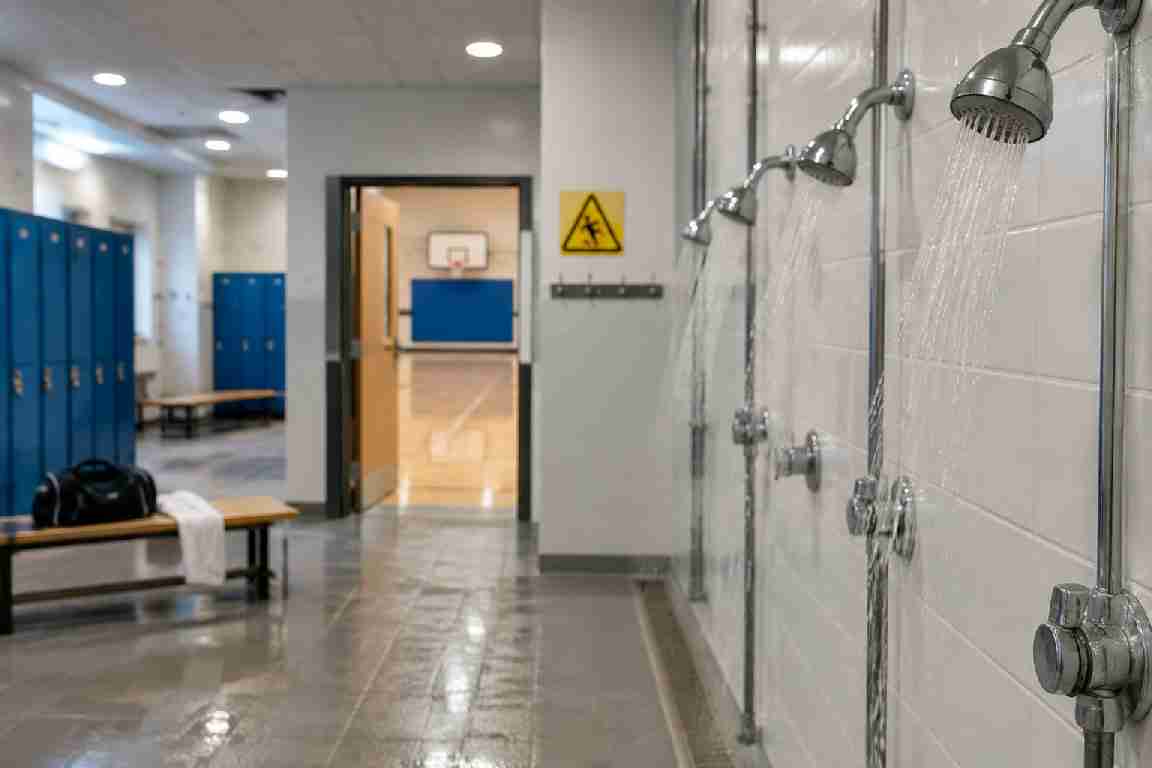
That is especially true in schools, where the consequences of getting it wrong go beyond inconvenience. PE halls, showers and changing areas may be small parts of a site, but they are exactly the places where water hygiene arrangements can determine whether normal use can safely resume.
The latest negative result in Valongo means the school can move on from the immediate disruption. For other dutyholders, it is a reminder that legionella school reopen decisions depend on clear testing, sensible precautions and proper control of the water system, not on guesswork.