Explore this post with your favourite AI tool:


Share this article with AI tools to summarise, remember, or explore the content further.
Health officials in Italy are investigating a significant legionella outbreak that has seen 19 confirmed cases of the infection recorded since the start of the year. The cluster of cases in the Cremona province has prompted a heightened focus on water safety management and the environmental factors contributing to the spread of the bacteria.
The regional health protection agency, Ats Val Padana, confirmed that the number of infections recorded between January and the end of July is identical to the figures reported during the same period in 2023. While the numbers have remained stable year-on-year, the persistent nature of the cases has highlighted the ongoing challenge of controlling Legionella pneumophila in built environments and public infrastructure.
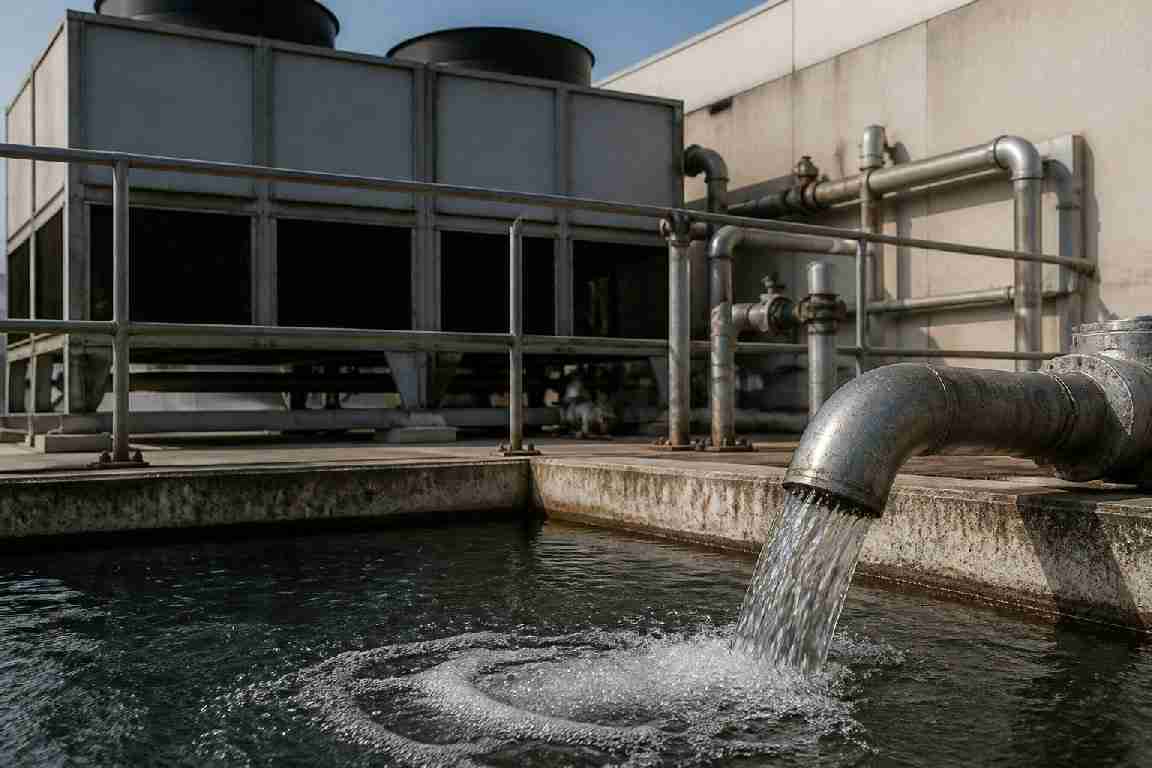
Local health authorities have been working to trace the source of the infections, which can often be linked to cooling towers, decorative fountains, or poorly maintained domestic hot and cold water systems. In many instances, these cases represent sporadic occurrences rather than a single, explosive point-source event, making the task of environmental sampling and source identification particularly complex for investigators.
Rising temperatures and the risk of a legionella outbreak
The stability of the case numbers is a point of concern for public health experts, especially as seasonal temperature fluctuations play a critical role in bacterial proliferation. Legionella bacteria thrive in water temperatures between 20°C and 45°C, a range that is increasingly easy to reach in static water systems during warmer months or in buildings with inadequate thermal insulation on pipework.
For facilities managers and building owners, this serves as a reminder that a legionella outbreak is rarely the result of a single failure, but rather a combination of stagnant water, conducive temperatures, and the presence of nutrients like scale or biofilm. In the Cremona region, the consistency of the infection rates suggests that the underlying environmental risks remain present despite existing public health efforts.
The respiratory illness, known as Legionnaires’ disease, is contracted by inhaling small droplets of contaminated water suspended in the air. While most healthy individuals may not fall ill, those with underlying health conditions, smokers, and the elderly are at a significantly higher risk of developing severe pneumonia. The 19 cases reported so far this year represent a serious clinical burden on local healthcare services.
In the UK, dutyholders are required to follow the HSE’s ACOP L8 and the technical guidance in HSG274 to prevent similar occurrences. The situation in Italy mirrors many of the challenges faced by UK compliance teams, particularly the difficulty of managing aging infrastructure and the impact of climate change on building services. When water systems are not regularly flushed or temperatures are not strictly controlled, the risk of a legionella outbreak increases exponentially.
Maintaining compliance in complex water systems
The ongoing investigation by Ats Val Padana emphasises the importance of the risk assessment process. A site-specific assessment is not a “one and done” document; it must be a living tool that reflects changes in building occupancy and system usage. If a wing of a building becomes vacant or a piece of plant equipment is decommissioned, the resulting “dead legs” in the pipework can become breeding grounds for the bacteria.
For those responsible for property portfolios, the key takeaway from the 19 confirmed cases is the need for rigorous monitoring. Regular temperature checks at sentinel points—the nearest and furthest outlets from the heat source—are the first line of defence. If hot water is not reaching at least 50°C (55°C in healthcare settings) within one minute of opening the tap, the system is potentially at risk.
Data from the Italian health agency indicates that the cases are spread across a specific timeframe, suggesting that environmental factors, such as heavy rainfall followed by heatwaves, may be influencing the presence of the bacteria in the wider water network. This makes it even more critical for building managers to ensure that their internal systems are resilient and that disinfection regimes are up to date.
When a legionella outbreak occurs, the scrutiny on the “responsible person” or dutyholder is intense. Investigators will look for evidence of a written scheme of control, up-to-date training records for staff, and a clear audit trail of remedial actions taken following previous risk assessments. In the Cremona cases, the health authorities are continuing to monitor the situation closely to ensure that no further clusters emerge as the summer progresses.
The situation serves as a stark warning to UK employers and landlords. Compliance is not just about avoiding legal penalties; it is about preventing a life-threatening illness. As the provincial health authorities continue their surveillance, the focus remains on ensuring that water systems are designed, maintained, and operated in a way that minimises the risk of aerosolisation and bacterial growth.