Explore this post with your favourite AI tool:


Share this article with AI tools to summarise, remember, or explore the content further.
Health officials monitoring a significant legionella outbreak in the Navarre region have confirmed that no new cases have been identified following the implementation of emergency control measures. The cluster of infections has affected dozens of residents, highlighting the speed at which waterborne pathogens can impact a local community when environmental conditions allow.
Public health authorities in Burlada and Villava have reported a total of 34 confirmed cases of Legionnaires’ disease linked to the recent spike in infections. The severity of the incident is evidenced by the high hospitalisation rate, with 31 of those affected requiring inpatient care to manage symptoms of severe pneumonia. While the source of the bacteria is being investigated, the Institute of Public Health of Navarre (ISPN) has indicated that the spread appears to have been halted.
Jesús Castilla, a spokesperson for the ISPN, stated that the risk to the public has been mitigated through targeted interventions. Although the specific mechanical or environmental source—often cooling towers, decorative fountains, or complex plumbing systems—was not immediately named, the application of shock dosing and system shutdowns is standard practice in these scenarios to break the chain of transmission.
Public health response to the legionella outbreak
The management of this legionella outbreak has followed a rigorous protocol of epidemiological investigation and environmental sampling. Once a cluster of cases is identified, health inspectors typically focus on high-risk aerosol-generating assets within a specific radius of the patients’ homes or workplaces. In this instance, the rapid response from local authorities has been credited with preventing the case count from climbing further.
For UK dutyholders, this incident serves as a stark reminder of how quickly a localized issue can escalate into a public health crisis. While this particular cluster occurred in Spain, the biological behaviour of the bacteria remains the same regardless of geography. Legionella thrives in tepid water between 20°C and 45°C, particularly where nutrients like scale, rust, or biofilm are present. If these water sources are allowed to stagnate or are not treated with adequate biocides, the risk of aerosolisation becomes a significant liability for property managers.
Building managers should note that the high hospitalisation rate in this case—over 90% of those infected—is not unusual for Legionnaires’ disease. The infection is particularly dangerous for the elderly, smokers, or those with underlying respiratory conditions. This vulnerability is why UK regulations, specifically the HSE’s ACOP L8 and HSG274 guidance, place such heavy emphasis on protecting not just employees, but the wider public who may be exposed to drifted aerosols from building services.
Lessons for UK compliance and water safety
When a legionella outbreak occurs, the focus inevitably turns to the “responsible person” and their record-keeping. In the UK, a failure to demonstrate a valid risk assessment or a consistent monitoring log can lead to severe enforcement action under the Health and Safety at Work etc. Act 1974, even if no one actually falls ill. The fact that 34 people were affected in this Spanish cluster suggests a significant environmental load that would likely have been detectable through proactive sampling or temperature monitoring.
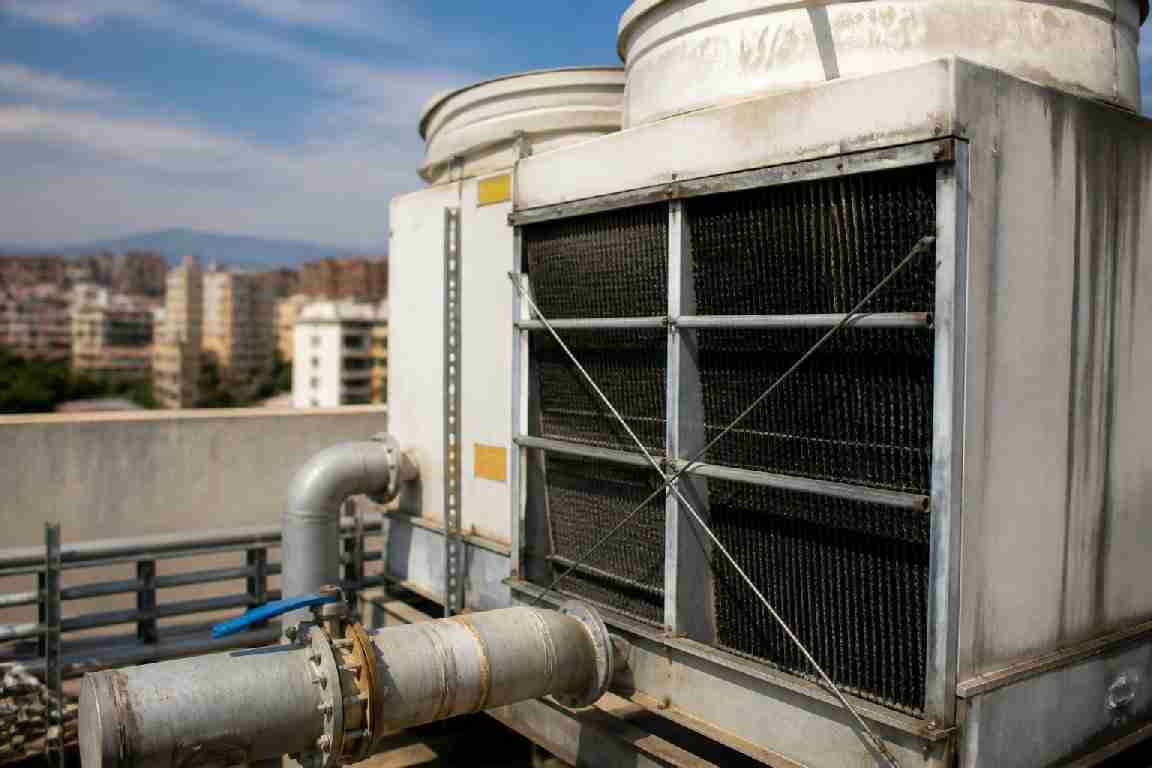
Facilities managers overseeing large estates must ensure that their cooling towers and evaporative condensers are maintained to the highest standards. These assets are frequently the culprits in large-scale community outbreaks because they can spread contaminated mist over several kilometres. The incident in Burlada and Villava reinforces the necessity of having a robust water safety plan that includes clear shut-down procedures if a system is suspected of contamination.
Furthermore, the cooling down of the infection rate in Navarre shows the effectiveness of professional disinfection. However, for the dutyholders involved, the end of the medical emergency is often just the beginning of a long period of regulatory scrutiny. Forensic engineering and microbiological testing will now likely be used to pinpoint the exact failure point, whether it was a missed chemical dose, a mechanical breakdown, or a design flaw in the water system.
For those managing UK properties, the takeaway is clear: water safety cannot be a “fit and forget” exercise. Regular cleaning, temperature control, and the elimination of “dead legs” in pipework are the primary defences against the bacteria. As climate patterns shift and summer temperatures remain elevated for longer periods, the thermal gain in cold water systems poses an increasing challenge for compliance teams trying to keep water below the 20°C threshold.
The situation in Navarre is currently stable, with health officials confident that the immediate threat has passed. The focus now shifts to long-term monitoring to ensure that the bacteria does not recolonise the affected systems. This serves as a reminder that while a legionella outbreak can be contained, the reputational and human cost of such a failure is immense, making prevention the only viable strategy for responsible building owners.