Explore this post with your favourite AI tool:


Share this article with AI tools to summarise, remember, or explore the content further.
p>Achieving consistent legionella testing compliance remains a significant challenge for urban building owners, as recent enforcement efforts in New York City demonstrate the effectiveness of public transparency in driving safety standards.
Health officials in New York have reported that a strategy of “public shaming” has successfully pressured building owners on the Upper East Side to adhere to mandatory cooling tower inspections. The move comes as cities globally grapple with how to ensure that responsible persons and property managers take bacterial growth risks seriously, rather than viewing compliance as a burdensome administrative task.
The initiative followed a pattern of non-compliance among high-end residential and commercial buildings. Despite strict local laws introduced after a major outbreak in 2015, a significant number of property owners had failed to upload proof of their mandated inspections and water treatments to the city’s tracking portal. Officials found that naming and shaming these entities proved more effective at securing rapid results than standard administrative fines alone.
Addressing the barriers to legionella testing compliance
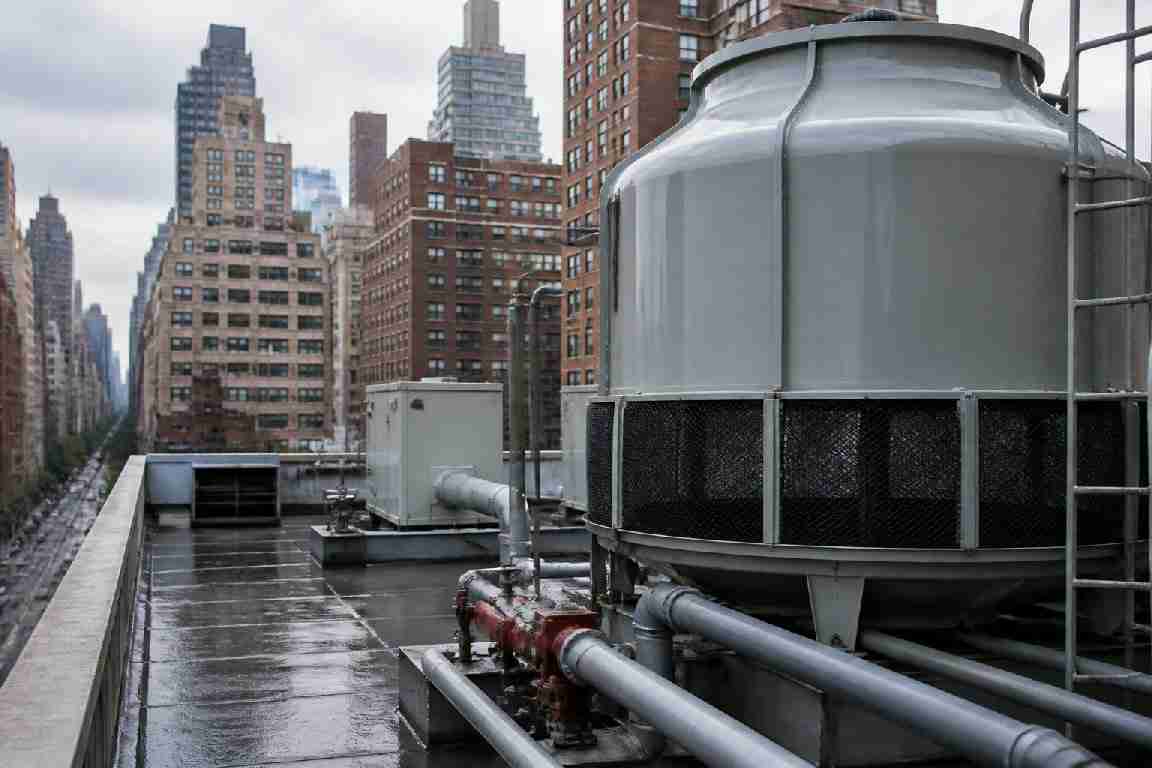
For many facilities managers and dutyholders, the struggle to maintain legionella testing compliance often stems from a lack of oversight regarding cooling tower maintenance. In the New York case, the city’s health department noted that some owners simply ignored the requirement to test every 90 days, while others failed to report the results to the central registry. When the names of non-compliant buildings were highlighted, the threat to reputation acted as a primary motivator for remedial action.
This dynamic is familiar to UK health and safety professionals. While the regulatory landscape differs, the underlying psychology of compliance is often the same. Financial penalties are sometimes budgeted for as a cost of doing business, but the public perception of a building being “unsafe” or managed by a negligent landlord carries a much higher price tag in the commercial and high-end residential markets.
The New York health department’s data suggests that before the public intervention, compliance rates in certain affluent areas were surprisingly low. Following the pressure, many of these buildings quickly updated their records, suggesting that the issue was not a lack of resources, but a lack of priority. It serves as a reminder that having a technical regime in place is useless if the reporting and accountability structures are broken.
The role of transparency in building safety
In the UK, the focus on building safety has shifted significantly toward transparency and the “golden thread” of information. While we do not have an identical public registry for cooling towers, the Health and Safety Executive (HSE) and local authorities maintain high expectations for legionella testing compliance under the L8 Approved Code of Practice (ACoP). The New York model highlights how data visibility can be used by regulators to ensure that dutyholders are not cutting corners.
Effective legionella management is not just about the physical act of taking a sample. It involves the entire lifecycle of the water system, from the initial risk assessment to the ongoing monitoring and the mechanical maintenance of the cooling tower itself. When buildings fail to engage with legionella testing compliance, they create blind spots in the city’s public health monitoring, making it harder for officials to pinpoint the source of community-acquired Legionnaires’ disease cases.
The Gothamist report indicates that city officials are now using automated systems to flag buildings that miss their deadlines. This proactive approach mirrors the growing trend in UK facilities management toward digital compliance platforms, which allow responsible persons to track maintenance schedules across large portfolios in real-time, reducing the risk of a missed inspection leading to regulatory scrutiny.
Practical lessons for property managers and dutyholders
The New York experience offers a stark warning about the risks of complacency. For those managing complex water systems, the takeaway is that compliance must be active, not reactive. Waiting for a notice from a regulator or, worse, a public listing of non-compliance, is a failure of the risk management process. Maintaining legionella testing compliance requires a clear understanding of which assets are on-site and ensuring that third-party contractors are not just performing the tests, but providing the necessary documentation to prove it.
Property managers should also consider the impact of their record-keeping on their legal standing. In the event of an outbreak, the ability to produce a clean, consistent history of testing and disinfection is the primary defence against claims of negligence. As seen in the Upper East Side, even buildings with the highest maintenance budgets can fall foul of the law if their administrative oversight is weak.
Ultimately, the goal of these enforcement measures is to prevent the colonisation of water systems by Legionella bacteria. Whether through fines or public disclosure, the focus remains on ensuring that cooling towers—which can aerosolise bacteria over a wide area—are not left to become public health hazards. As urban density increases, the responsibility on individual building owners to maintain their systems correctly only grows more acute.