Explore this post with your favourite AI tool:


Share this article with AI tools to summarise, remember, or explore the content further.
Prioritising occupational health and safety is now a fundamental requirement for any UK business looking to protect its workforce and maintain operational resilience. As awareness of workplace well-being grows, the systems used to manage these risks have become central to modern corporate governance.
The concept of managing workplace risk is no longer just about avoiding accidents on the factory floor or construction site. It has evolved into a comprehensive discipline that encompasses physical safety, mental health, and long-term environmental hygiene. For UK dutyholders, this means moving beyond a “tick-box” exercise toward a culture where safety is embedded into every operational decision.
Recent shifts in workplace dynamics, including the rise of hybrid working and an increased focus on mental health, have forced a re-evaluation of traditional risk management. Employers are increasingly recognising that a safe environment is not just a legal obligation but a significant factor in staff retention and productivity. When employees feel their physical and psychological well-being is valued, the broader business benefits through reduced absenteeism and higher engagement levels.
The core components of occupational health and safety
At its heart, a successful safety management system relies on identifying hazards before they result in harm. This involves a systematic approach to risk assessment that considers everything from machinery guarding and fire safety to ergonomic setups and hazardous substance control. In the UK, the Health and Safety at Work etc. Act 1974 remains the primary legislation, but the practical application of these duties requires a nuanced understanding of specific sector risks.
Effective occupational health and safety management requires clear leadership from the top down. It is not enough to have a manual sitting on a shelf; policies must be lived and breathed by staff at all levels. This starts with competent persons who understand the technical requirements of their specific industry, whether that is managing asbestos in older buildings or ensuring Legionella controls are robust in complex water systems.
Training plays a pivotal role in this process. A workforce that is well-trained in identifying risks is the first line of defence against incidents. This includes providing clear instructions on the use of personal protective equipment (PPE), ensuring staff know how to report “near misses,” and fostering an environment where safety concerns can be raised without fear of repercussion.
Building a culture of compliance and care
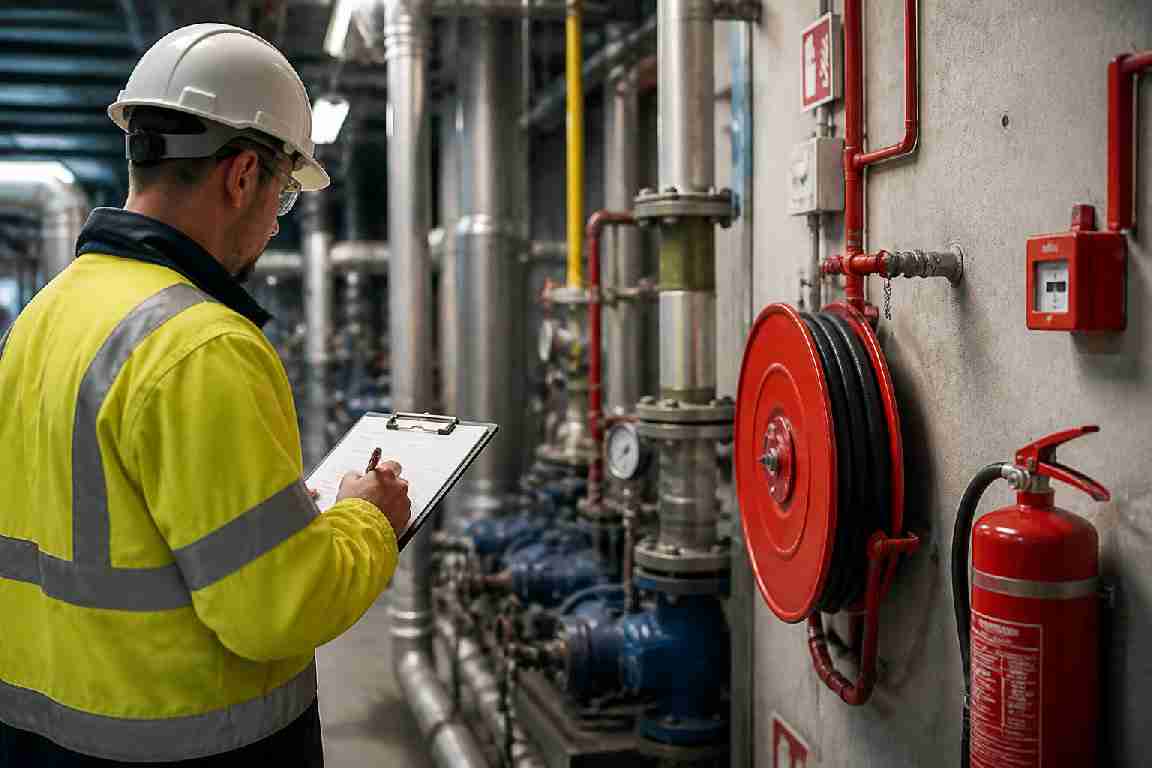
For facilities managers and property owners, the focus often lies in the intersection between building safety and people safety. The integrity of the built environment directly impacts the health of those within it. Issues such as poor ventilation, inadequate lighting, or failing fire suppression systems are all critical failures in a modern safety strategy.
The integration of occupational health and safety into daily facilities management ensures that maintenance schedules are not just about keeping the lights on, but about ensuring the building remains a safe vessel for work. This is particularly relevant under newer regimes like the Building Safety Act, where the role of the “Accountable Person” places a much sharper focus on the ongoing safety of high-occupancy structures.
Furthermore, the “health” element of the discipline is gaining equal footing with “safety.” We are seeing a much greater emphasis on preventing long-term illnesses caused by workplace exposure, such as respiratory issues from dust inhalation or musculoskeletal disorders from poorly designed workstations. Addressing these issues early can prevent significant legal and financial liabilities in the future.
Practical implications for UK employers and dutyholders
For those responsible for compliance, the current landscape demands better data and more transparency. Keeping accurate records of risk assessments, training logs, and equipment inspections is vital for demonstrating that duties are being met. In the event of an investigation by the HSE or a local authority, these records serve as the primary evidence of a business’s commitment to its staff.
It is also important to consider the role of contractors. Managing third-party risk is a common weak point in many safety systems. Ensuring that contractors are vetted, inducted, and monitored while on-site is a key part of maintaining occupational health and safety standards. A failure by a contractor is often viewed by regulators as a failure of the host employer to sufficiently manage the work environment.
Ultimately, the goal is to create a workplace where safety is seen as an investment rather than a cost. Companies that lead the way in this area often find that they are better positioned to navigate regulatory changes and economic shifts. By treating safety as a core business value, UK employers can protect their most important asset—their people—while ensuring the long-term sustainability of their operations.