Explore this post with your favourite AI tool:


Share this article with AI tools to summarise, remember, or explore the content further.
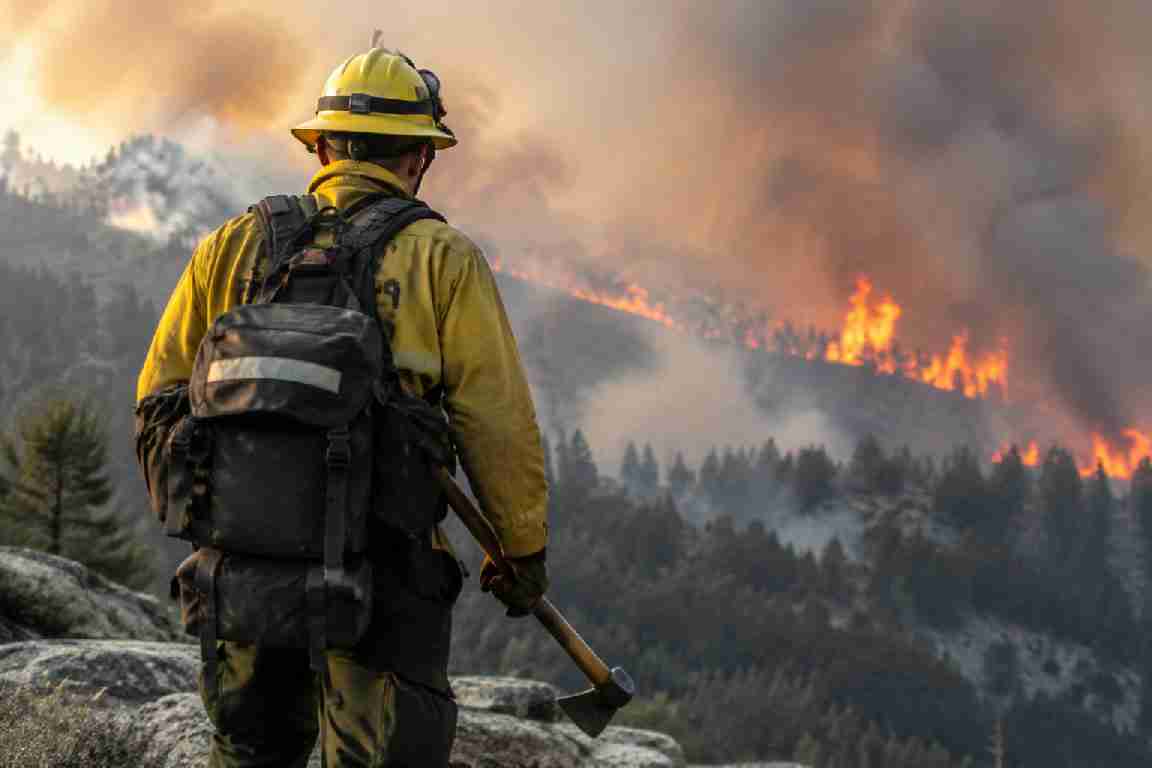
wildland firefighter health is back in the spotlight after US senators introduced bipartisan legislation aimed at setting federal health and safety standards for those working on the fireline.
A cross-party group of US senators has introduced the Wildland Firefighter Health and Safety Act, a bill intended to create federal protections for firefighters exposed to dangerous conditions in the field. The proposal was put forward by Senators Padilla, Curtis, Merkley and Sheehy.
The move is aimed at a workforce that faces some of the most punishing conditions in emergency response: smoke, heat, steep terrain, long shifts and rapidly changing fire behaviour. For those responsible for managing operational risk, the bill is a reminder that exposure controls and basic welfare provision are not optional extras when work is physically extreme.
What the proposed law would do
The legislation is designed to establish federal health and safety standards for wildland firefighters, rather than leaving protection to a patchwork of local or agency-level arrangements. That matters because the hazards are not occasional or theoretical; they are built into the job.
In practice, any attempt to formalise standards would be about more than protective clothing. It would likely touch on training, supervision, fatigue management, exposure to smoke, hydration, rehabilitation breaks and the way crews are deployed when conditions deteriorate.
For a UK audience, the parallel is straightforward. Whether the setting is fire response, construction, forestry, utilities or facilities work in high-risk environments, the same principle applies: where the work exposes people to predictable harm, controls need to be planned, documented and properly managed.
wildland firefighter health and why it matters beyond the fireground
wildland firefighter health is not just a specialist concern for emergency services. It speaks to a wider compliance issue that many employers and dutyholders will recognise: how far the organisation has thought through the effects of heat, smoke, fatigue and prolonged exposure on workers who are expected to keep operating under pressure.
In the wildland firefighting context, poor health protection can quickly affect judgement, reaction times and physical performance. The same is true in other sectors where crews work in harsh conditions for long periods, whether that is emergency cover, plant operation, roof work or night-time maintenance on remote sites.
“The proposal is aimed at a workforce that faces some of the most punishing conditions in emergency response: smoke, heat, steep terrain, long shifts and rapidly changing fire behaviour.”
That sort of working pattern creates predictable issues for those managing people and premises. If workers are deployed in environments where breathing conditions are poor or rest opportunities are limited, risk assessments need to deal with the reality on site, not the version of events that appears in a generic policy document.
The compliance lesson for dutyholders
Although this is US legislation, the underlying message will be familiar to UK employers, landlords and contractors: safety standards are only useful if they reflect the actual hazards faced by the workforce. Paper controls do little if crews are expected to work through smoke, heat stress or exhaustion without adequate monitoring and relief.
Facilities managers and property dutyholders should take a similar approach when they brief contractors. If a task involves confined access routes, poor ventilation, hot plant rooms, fire risk, or work that could overrun into long shifts, the people on the job need clear limits, welfare arrangements and a route to stop work if conditions become unsafe.
For employers, wildland firefighter health also offers a useful reminder about occupational health planning. Monitoring exposure, keeping records of incidents, and making sure supervisors know when to escalate concerns are all part of reducing harm before it becomes a reportable problem.
What better standards usually look like in practice
Across high-risk work, better protection usually comes down to a few basics: fit-for-purpose risk assessments, competent supervision, regular briefings, access to drinking water and rest, and a willingness to change the plan when conditions worsen. None of that is glamorous, but it is usually what separates a managed job from a bad one.
There is also a clear training angle. Crews need to recognise early signs of heat illness, smoke exposure and fatigue, and managers need to treat those signs seriously. In sectors where people are used to pushing on, that can be the hardest culture to shift.
For dutyholders and principal contractors, the practical point is that safety systems should work under pressure, not just on paper. That means checking whether welfare provision is realistic, whether supervision is strong enough, and whether stop-work decisions are genuinely supported.
Why UK readers should pay attention
The bill itself is a US development, but the issue is not foreign to UK compliance teams. Any organisation that sends people into harsh environments, from construction and infrastructure to land management and emergency response support, will recognise the same exposure problems.
wildland firefighter health is a useful case study in how risk increases when work is physically demanding, time-sensitive and difficult to control. The standards under discussion are a reminder that protecting people means planning for the worst practical conditions, not the average day.
As the legislation moves forward, the focus will remain on whether formal standards can improve protection for crews who do work that is both dangerous and essential. For employers and dutyholders elsewhere, the real lesson is already clear: if the job is hard on the body and the environment is unforgiving, the management system needs to be just as serious.