Explore this post with your favourite AI tool:


Share this article with AI tools to summarise, remember, or explore the content further.
Implementing a consistent legionella water flushing regime is a critical step for dutyholders returning to buildings that have stood empty during holiday periods. While many residential tenants follow this advice instinctively after a summer break, the implications for commercial facilities managers and landlords are far more significant, involving complex plumbing systems and stricter regulatory oversight.
The risk of Legionnaires’ disease remains a persistent concern across Europe, particularly during the warmer months when water temperatures in stagnant pipes can reach the “danger zone” of 20°C to 45°C. For those responsible for building safety, the return from a holiday period is not just a matter of convenience, but a high-risk window for potential bacterial growth that requires a structured approach to water hygiene.
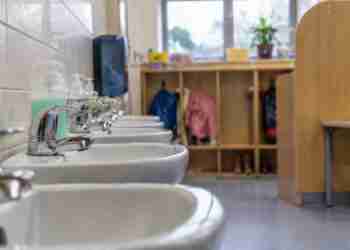
Legionella bacteria occur naturally in environmental water sources but become a serious health hazard when they colonise man-made water systems. When water is allowed to sit in pipes for days or weeks—such as in a closed office block, a school during the summer break, or a vacant rental property—the lack of flow allows biofilm to develop. This biofilm provides the nutrients and protection the bacteria need to multiply to dangerous levels.
If these systems are then used without proper precautions, the bacteria can be aerosolised through showerheads, taps, or cooling towers. Inhaling these fine droplets can lead to Legionnaires’ disease, a severe and potentially fatal form of pneumonia. While the general public is often advised to run their taps for a few minutes after a holiday, the professional requirements for a commercial dutyholder are more rigorous and must be documented to demonstrate compliance.
Best practice for legionella water flushing in commercial settings
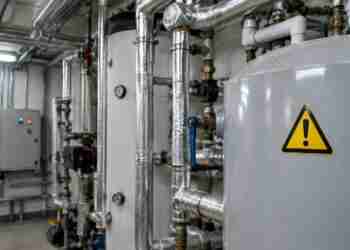
For facilities teams, simply turning on a tap is rarely enough to manage the risk effectively. A professional legionella water flushing process involves a systematic purge of the entire system. This includes all “dead legs” or rarely used outlets that may have been bypassed during normal operations. The goal is to ensure that fresh, chlorinated water from the mains reaches every part of the internal distribution network, displacing any stagnant water that has warmed up during the building’s downtime.
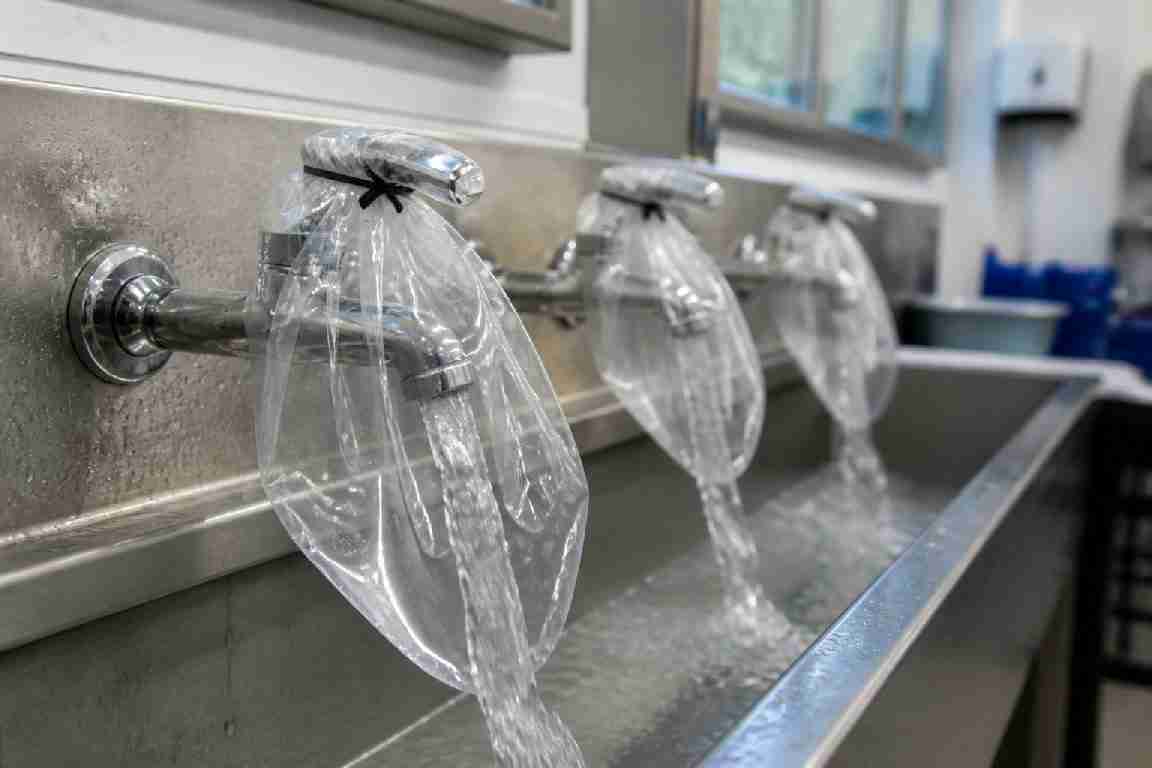
It is also vital to consider how the flushing is carried out. Generating aerosols during the process can actually increase the risk to the person performing the maintenance. Health and safety professionals often recommend using “scrubbies” or plastic bags over taps and showerheads to direct the water straight down the drain, or using specialised equipment to minimise spray. This practical step is often overlooked but is essential for protecting staff and contractors.
From a compliance perspective, the UK’s HSE guidance under ACoP L8 and HSG274 is clear: stagnation must be avoided. If a building or a specific area of a site is not used for a week or more, a flushing regime should be implemented. For many property managers, this means that legionella water flushing becomes a weekly task for any vacant units or infrequently used welfare facilities. The key is consistency; sporadic flushing can sometimes do more harm than good by disturbing biofilm without fully removing it.
Landlords and employers must also remember that flushing is a control measure, not a substitute for a proper risk assessment. If a building has been entirely dormant for an extended period—months rather than weeks—flushing alone might be insufficient. In these cases, dutyholders should consider microbiological sampling or a full system disinfection to ensure the water is safe for occupants to return. Relying on a quick flush after a long-term closure is a common mistake that can lead to positive hits during routine testing later in the year.
Documentation is another area where many organisations fall short. If it isn’t recorded, in the eyes of an inspector, it didn’t happen. A simple logbook detailing which outlets were flushed, for how long, by whom, and at what temperature, provides the necessary audit trail. This data is invaluable if a site is ever linked to an outbreak or if a tenant raises concerns about water quality. It demonstrates that the responsible person is active in managing the risk, rather than just reacting to problems as they arise.
The role of temperature control cannot be overstated during this process. When performing legionella water flushing, it is standard practice to monitor the water temperature. Cold water should ideally be below 20°C within two minutes of running the tap, and hot water should reach at least 50°C (or 55°C in healthcare settings) within one minute. If these temperatures aren’t being met, it suggests a wider issue with the building’s insulation or water heating capacity that flushing alone cannot fix.
As we move through the seasons, the baseline temperature of the incoming mains water fluctuates. During a particularly hot summer, the water entering a building can already be above 20°C, leaving very little margin for error. This makes the post-holiday period especially sensitive. Facilities managers should be particularly vigilant when reoccupying buildings during these peaks, as the environmental conditions are perfectly suited for bacterial proliferation.
Ultimately, water hygiene is an ongoing management task. While the news often focuses on domestic advice for holidaymakers, the professional dutyholder must view the return to work as a critical phase in their compliance calendar. By integrating a thorough flushing routine into their restart procedures, they protect not only the health of their building’s occupants but also the legal standing of their organisation.