Explore this post with your favourite AI tool:


Share this article with AI tools to summarise, remember, or explore the content further.
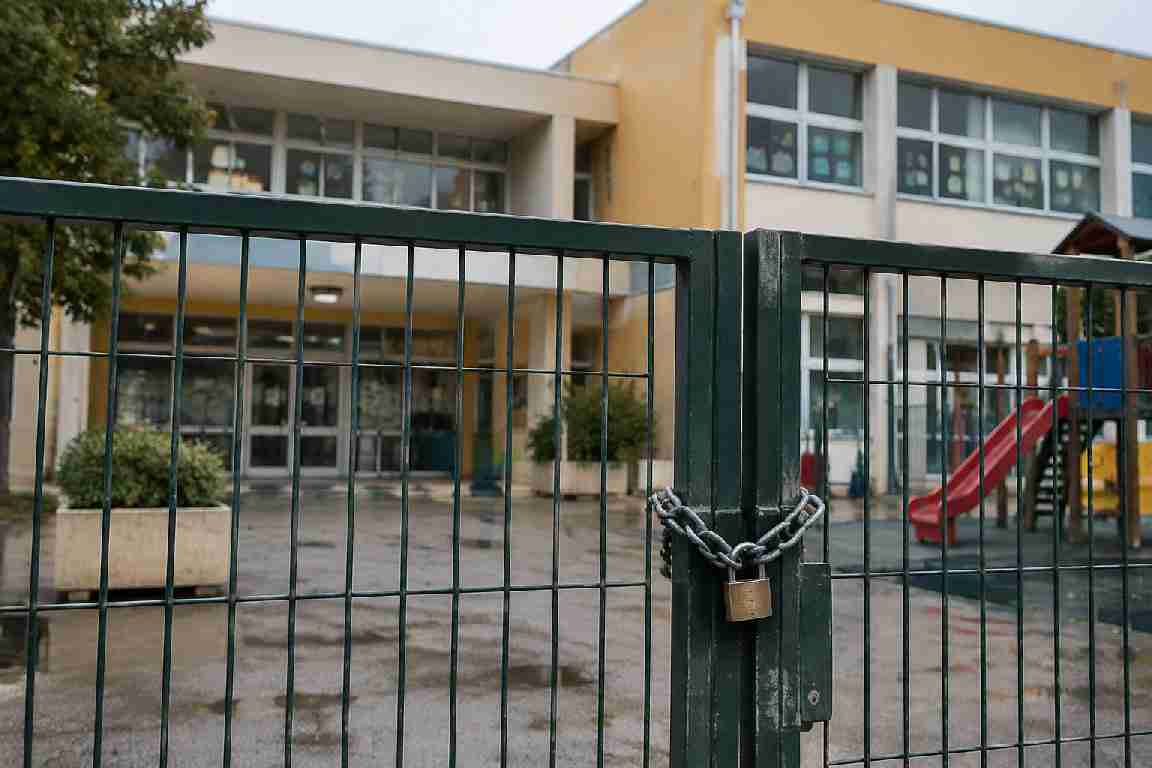
legionella schools have become a live issue in Palermo, where three schools have stayed shut for a week and there is still no firm date for pupils to return. The delay is putting pressure on families and leaving managers to deal with the practical fallout of a suspected contamination problem.
Three schools in Palermo remain closed a week after the issue emerged, with no clear reopening date and families still waiting for the results of tests. Local reports say the situation has forced education chiefs to consider distance learning or split shifts if the buildings cannot be brought back into use quickly.
The immediate problem is simple: pupils are at home, parents are trying to make arrangements, and the schools cannot reopen until the analysis is complete. For anyone responsible for occupied buildings, this is the sort of disruption that follows when water safety checks uncover a risk that cannot be ignored.
legionella schools and the pressure on reopening plans
In this case, the schools have been closed for a week while samples are analysed. That means there is still uncertainty over whether the issue is limited to specific parts of the water system or something that needs more extensive remedial work before the premises can be used safely again.
For school leaders and estates teams, the timing matters as much as the technical finding. A shutdown at the start of term or during a busy teaching period quickly becomes a logistics problem, and the options being discussed in Palermo – remote lessons or double shifts – show how quickly a water hygiene issue can affect the wider running of a site.
That kind of pressure is familiar across public sector buildings as well as private sites. When legionella schools cases arise, the priority is not just to get the building open again, but to do so only once the cause has been identified and the water system is under control.
Why the source of the risk matters
Legionella is linked to contaminated water systems, so the condition of tanks, pipework, outlets and any equipment that stores or circulates water becomes central to the response. In schools, the problem can be complicated by periods of low occupancy, seasonal shutdowns and parts of the system that are not used evenly throughout the year.
That is why dutyholders normally need proper records, routine monitoring and a clear plan for investigation when something looks wrong. If a building is closed and brought back into use too quickly, the risk is not only to health but also to the credibility of the management team responsible for the site.
For facilities managers and responsible persons, the lesson is straightforward: water systems need to be treated as an operational risk, not an occasional technical check. If warning signs appear, the building may need flushing, sampling, cleaning or other remedial action before normal use resumes.
What schools and building managers can take from this
Incidents like this are a reminder that school estates need more than a paper policy. Managers should know who is responsible for the water system, what has been inspected, when it was last reviewed and whether any areas have been out of use long enough to change the risk profile.
That is particularly relevant in legionella schools situations where closures affect multiple buildings or classrooms at once. If temporary teaching arrangements are being considered, they need to sit alongside the technical position on the water system, not substitute for it.
Landlords, academy trusts, local authority property teams and contractors all have a part to play. The practical point is that maintenance schedules, sampling records and remedial works need to be organised properly, because when a problem surfaces, it is usually the paperwork and the maintenance history that determine how quickly the site can be assessed and reopened.
“Necessari gli esiti delle analisi …”
That line from the local reporting captures the core of the story: the schools are waiting on the test results before any decision can be made. Until those findings come back, the uncertainty remains for staff, families and the people responsible for the buildings.
For the wider sector, the case is a useful reminder that legionella control is part of day-to-day building management, not a one-off compliance exercise. When schools, workplaces or public buildings are shut pending analysis, the disruption is often the clearest sign that the system was never something to leave until later.