Explore this post with your favourite AI tool:


Share this article with AI tools to summarise, remember, or explore the content further.
Securing targeted farm safety funding is a vital step in addressing the high rates of workplace injury and fatalities consistently seen in the agricultural sector.
The Department of Agriculture has confirmed an allocation of more than €45,000 to support various farm safety, health, and wellbeing initiatives across County Kerry. This investment specifically targets at-risk areas of agricultural operations, where the combination of heavy machinery, livestock handling, and lone working creates a unique and often dangerous risk profile for workers and business owners alike.
Agriculture remains one of the most hazardous industries for workers. Unlike controlled factory environments, farms are dynamic workplaces that often double as family homes, meaning safety management requires a more nuanced approach than standard industrial compliance. This latest funding package is designed to provide practical support for projects that aim to change behaviours and improve physical safety measures on the ground.
The impact of farm safety funding on regional risk
The distribution of this farm safety funding will be managed through local projects that understand the specific challenges faced by the Kerry farming community. By decentralising the budget, the Department aims to ensure that the money reaches those who are most likely to implement tangible changes in their daily routines.
The core of the initiative focuses on three pillars: physical safety, mental health, and general wellbeing. While much of the health and safety conversation in agriculture revolves around PTO (power take-off) shafts and slurry pit covers, the inclusion of wellbeing projects reflects a modern understanding of risk. Stress, fatigue, and poor mental health are often significant contributors to workplace accidents, leading to errors in judgment that can prove fatal when operating heavy equipment.
For those managing agricultural sites or advising on rural property compliance, these funds represent a chance to bridge the gap between regulatory requirements and active site safety. The financial burden of upgrading equipment or attending specialised training often acts as a barrier to compliance for smaller operations. These grants help lower that barrier.
Meeting legal duties in a high-risk environment
From a compliance perspective, the responsibility for maintaining a safe workplace sits squarely with the land owner or the person in control of the farm business. The HSA (Health and Safety Authority) and the HSE in the UK have both long highlighted that agriculture carries a disproportionate share of workplace fatalities compared to its workforce size.
Effective risk management on a farm involves more than just a ticking a box on a form. It requires a live risk assessment process that accounts for changing weather, the temperament of livestock, and the maintenance schedules of aging machinery. By utilising farm safety funding, operators can better align themselves with statutory duties to provide a safe place of work and ensure that those not in their employment—such as contractors or visiting members of the public—are not exposed to risks.
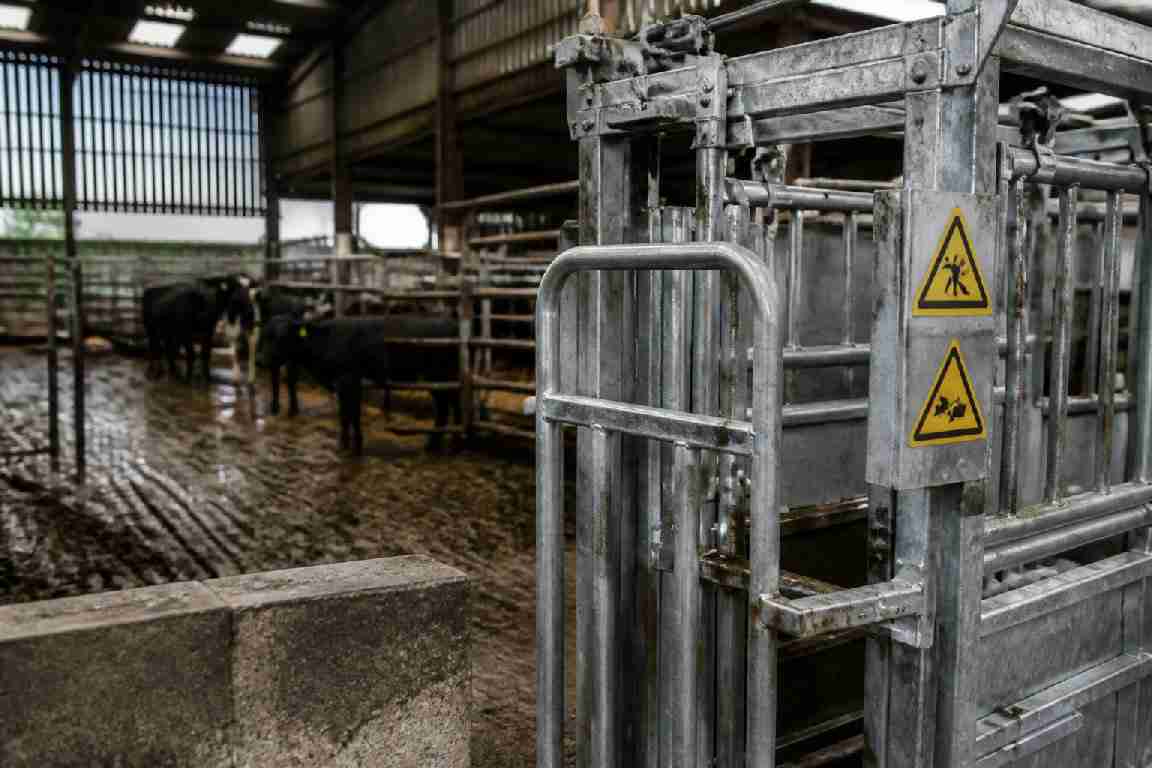
Practical interventions typically funded under such schemes include the installation of better lighting in livestock handling areas, the procurement of safety signage, and the implementation of modern calving gates. These are not merely operational upgrades; they are critical controls that reduce the likelihood of a major incident and the subsequent interest from regulatory inspectors.
Practical implications for farm managers and dutyholders
For farm managers and dutyholders, the announcement of this funding serves as a reminder to review existing safety statements. If a project in the Kerry region can demonstrate it will reduce the risk of injury or improve the longevity of the workforce through health initiatives, it stands to benefit from this financial injection. It also highlights the importance of keeping training records up to date, as many funding streams require proof of competence or a commitment to future professional development.
Contractor management is another area where farm safety funding can make a significant difference. Farms frequently rely on seasonal or specialist contractors for harvesting and maintenance. Ensuring that the facilities provided to these contractors meet modern safety standards is a legal necessity. Financial support that enables the upgrading of yard surfaces or the improvement of vehicle movements on-site directly supports these compliance goals.
Beyond the immediate physical installations, the focus on wellbeing reflects a growing trend in the sector. Providing resources for mental health support is now seen as a core component of a “competent” safety culture. When operators are distracted or overwhelmed, even the best-maintained equipment can become dangerous.
This regional allocation is part of a broader strategy to drive down the number of serious incidents in rural workplaces. As these projects roll out across County Kerry, the emphasis will be on measurable outcomes—fewer accidents, better-informed workers, and a more resilient agricultural community. For compliance professionals, the takeaway is clear: safety is most effective when it is proactive rather than reactive, and utilizing available funding is a key part of that strategy.