Explore this post with your favourite AI tool:


Share this article with AI tools to summarise, remember, or explore the content further.
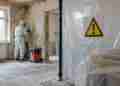
A legionella outbreak at the Carabinieri training school in Reggio Calabria has now been followed by negative test results after disinfection work was carried out on the site.
The Italian Carabinieri union, USIC, has said it is satisfied with the outcome of the interventions at the Scuola Allievi Carabinieri in Reggio Calabria, where checks carried out after the clean-up came back negative.
In a short statement, the union said:
“L’Unione Sindacale Italiana Carabinieri esprime soddisfazione per l’esito degli interventi di disinfezione effettuati presso la Scuola Allievi Carabinieri di Reggio Calabria. Tutti i test eseguiti ha …”
Negative tests after the legionella outbreak
The report indicates that disinfection measures were put in place after legionella was detected at the training school, with follow-up sampling then showing no further traces in the tests mentioned by the union.
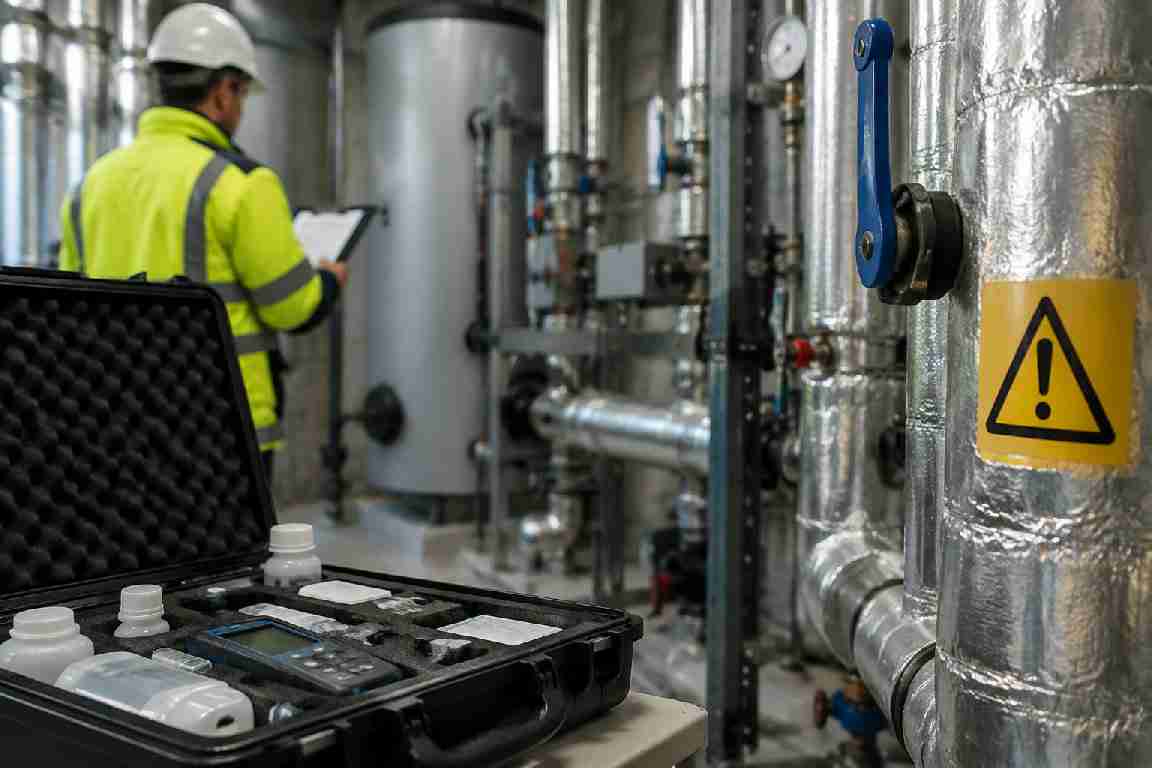
For anyone responsible for buildings, that sequence matters. Once legionella is identified, it is not enough to carry out a one-off treatment and hope for the best; the system has to be checked again to make sure the control measures have actually worked.
That is as true in a UK workplace or residential block as it is in a training establishment. Water systems that are poorly managed, left stagnant or allowed to drift outside their normal operating conditions can create the right environment for bacteria to grow.
Why the result matters for dutyholders
For facilities managers, landlords, employers and responsible persons, the main lesson is straightforward: a legionella outbreak is as much a management failure as it is a contamination issue. The initial response usually depends on isolating the problem area, carrying out disinfection and then re-sampling to confirm the system is safe again.
In practice, that means keeping the paperwork in order as well as the pipework. Risk assessments, temperature checks, flushing routines, cleaning records and any remedial works all help show that the building is being managed properly, especially where the water systems are complex or the occupancy changes often.
The source report does not go into technical detail about the cause of the contamination at the Reggio Calabria school, but the fact that test results turned negative after disinfection is exactly the kind of outcome dutyholders want to see after an incident. It suggests the immediate control steps have done their job, while also underlining the need for follow-up monitoring rather than a single clean bill of health.
Lessons for workplaces and managed buildings
For UK employers and property operators, the practical point is to keep legionella control tied into day-to-day building management rather than treating it as a box-ticking exercise. Showers, outlets that are rarely used, storage tanks, dead legs and changes in occupancy all need attention because they can affect water hygiene quickly.
Where a legionella outbreak is suspected, the response should be coordinated and documented. That normally means using competent people to assess the system, acting on any findings without delay and making sure the building is only brought back into normal use when the control measures are understood and the system has been checked properly.
This is also a reminder that cleaning work alone is not the end of the story. If the underlying conditions that allowed the bacteria to appear are still present, the risk can return. That is why maintenance schedules, temperature management and regular review are central to any sensible control plan.
What the case shows about ongoing control
The Reggio Calabria school case is a relatively limited update, but it reflects the way legionella incidents are handled across a wide range of sectors. Once positive findings are identified, the response should move quickly from emergency disinfection to verification and then back into routine control.
For dutyholders, that is the standard worth applying: identify the risk, act on it, test the outcome and keep monitoring. A negative result after treatment is reassuring, but it only has value if the site continues to be managed properly afterwards.
In that sense, the latest tests at the Carabinieri school are less an end point than a reminder of what good control looks like after a legionella outbreak: prompt action, checking the result and keeping water systems under watch.