Explore this post with your favourite AI tool:


Share this article with AI tools to summarise, remember, or explore the content further.
Health officials are monitoring a legionella outbreak in the Valongo municipality of Portugal following the discovery of the bacteria in two separate public facilities. The detection has prompted immediate closures and disinfection procedures at a local sports stadium and a school, highlighting the persistent risks associated with communal shower and locker room facilities.
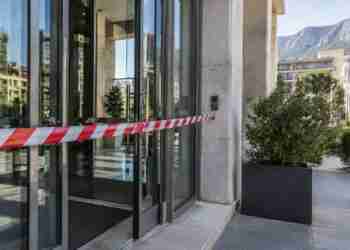
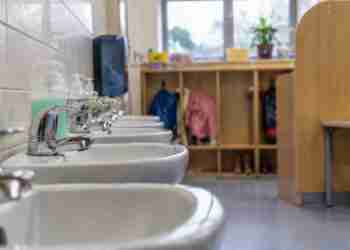
The presence of Legionella bacteria was confirmed at the Estádio de Sobrado and the Escola D. António Ferreira Gomes in Ermesinde. Local authorities acted quickly to shut down the affected areas to prevent public exposure while specialist teams carried out decontamination work. While the source material focuses on these specific sites, the incident serves as a reminder for UK facilities managers of the vulnerabilities inherent in intermittent-use water systems.
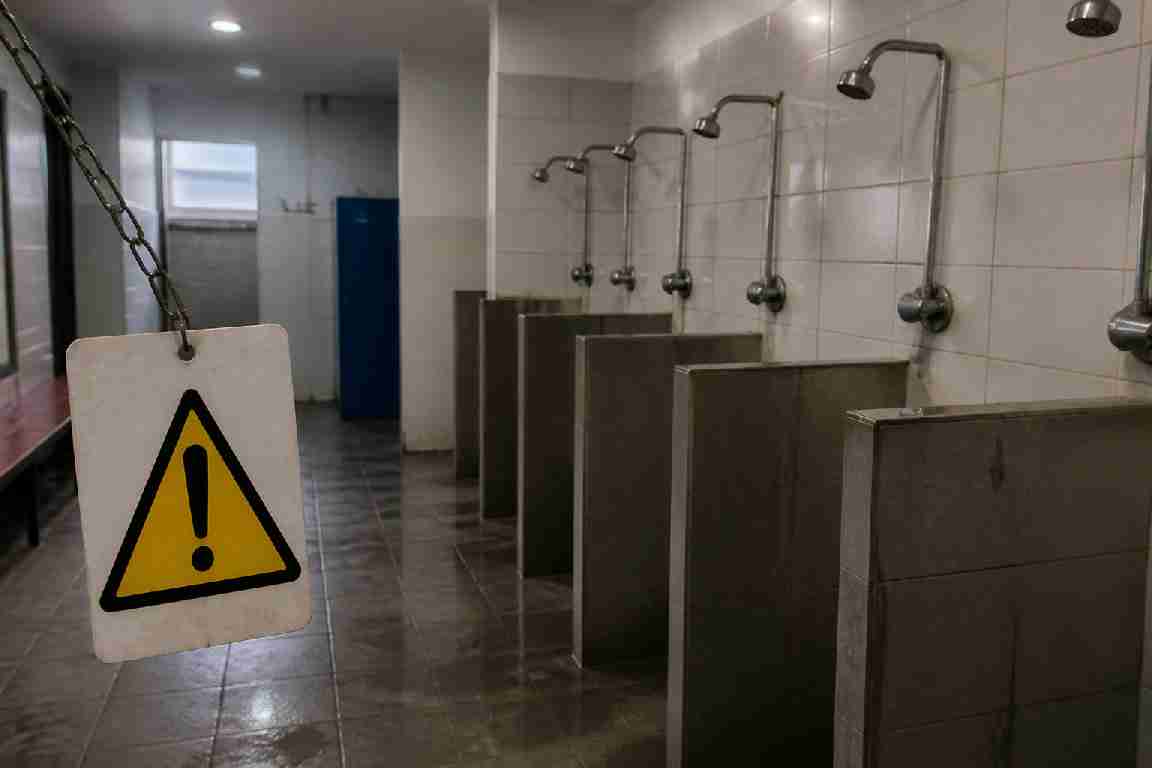
At the Estádio de Sobrado, the contamination was identified within the changing room facilities, a common high-risk area due to the potential for aerosolisation through showerheads. Similarly, the secondary school in Ermesinde saw its facilities taken out of use after testing returned positive results. Both sites have undergone rigorous disinfection processes, and officials expect to reopen the spaces to the public shortly, pending follow-up testing to ensure the bacteria has been successfully eradicated.
Risk management lessons from the legionella outbreak
For those managing UK estates, this incident underscores the importance of the “Responsible Person” in overseeing water safety. Schools and sports stadiums often share a specific risk profile: they frequently have “dead legs” in their plumbing or outlets that are not used daily. When water is allowed to stagnate in pipes, particularly during school holidays or between sporting fixtures, temperatures can rise into the bracket that encourages Legionella growth.
In the UK, the primary guidance for managing these risks is the HSE’s ACOP L8 (Legionnaires’ disease: The control of legionella bacteria in water systems) and the accompanying HSG274 technical guidance. These documents place a clear duty on employers and those in control of premises to identify and assess sources of risk and to implement a scheme for preventing or controlling that risk.
The situation in Valongo demonstrates that even well-maintained public buildings can succumb to a legionella outbreak if monitoring regimes are not airtight. A core component of UK compliance is the written scheme of control, which should include regular temperature monitoring, flushing of infrequently used outlets, and periodic sampling where deemed necessary by the risk assessment.
One of the most significant challenges for facilities managers in educational and leisure environments is the transition between periods of high use and total shutdown. If a school wing or a stadium changing block is left unused for even a week without a flushing regime in place, the risk of a legionella outbreak increases significantly. Stagnant water, combined with the presence of scale, rust, or biofilm in the pipes, provides the perfect environment for the bacteria to colonise.
When bacteria are detected, as was the case in Valongo, the immediate priority is to stop the creation of aerosols. This usually means cordoning off showers, taps, and any cooling towers. The subsequent disinfection—often involving thermal shock (raising water temperatures to 60°C or higher) or chemical dosing with chlorine—must be followed by further sampling to prove the system is safe before users are allowed back in.
Maintaining compliance in communal facilities
Building owners and facilities managers should view these international incidents as a prompt to review their own water safety logs. It is not enough to simply have a risk assessment; the assessment must be a “living document” that reflects the actual current use of the building. If a school gym or a community hall changes its operational hours, the water safety plan must be updated to account for new periods of stagnation.
Contractor management also plays a vital role here. Many organisations outsource their water treatment and sampling to specialist firms. However, the legal responsibility for a legionella outbreak remains with the dutyholder. It is essential to ensure that any third-party contractors are competent and that their reports are not just filed away, but acted upon—especially regarding any remedial works suggested in a risk assessment.
The Valongo municipality has stated that the disinfection at both the Estádio de Sobrado and the Escola D. António Ferreira Gomes was performed in accordance with health protocols. The focus now shifts to long-term prevention. In a UK context, this would involve ensuring that the hot water is stored at 60°C and distributed so that it reaches at least 50°C at the outlets within one minute, while cold water should be kept below 20°C.
As the facilities in Ermesinde and Sobrado prepare to reopen, the case highlights that water safety is a continuous cycle of monitoring rather than a one-off task. For UK compliance professionals, the takeaway is clear: prevention is far less disruptive and costly than the emergency measures required to handle a confirmed legionella outbreak in a public space.