Explore this post with your favourite AI tool:


Share this article with AI tools to summarise, remember, or explore the content further.
Risks associated with legionella water contamination have led to emergency measures in Frosinone, Italy, after local health authorities identified the bacteria within a building’s plumbing system. The discovery has prompted an immediate mayoral ordinance to protect occupants and ensure the site undergoes urgent remediation to bring the water quality back to safe parameters.
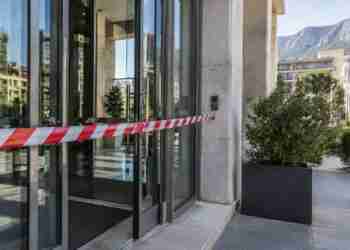
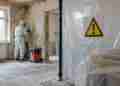
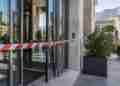
The local health authority, ASL (Azienda Sanitaria Locale), flagged the presence of Legionella pneumophila during routine or targeted sampling. This specific strain is the most common cause of Legionnaires’ disease, a severe and potentially fatal form of pneumonia. In response, specific areas of the affected property have been cordoned off, and the building management has been ordered to carry out a full disinfection of the internal water distribution network.
Following the disinfection process, a new round of sampling must be conducted within ten days to verify that the intervention has been successful. The ordinance serves as a stark reminder for dutyholders that once a system is compromised, the path back to compliance is both disruptive and strictly monitored by public health officials.
Immediate response to legionella water contamination
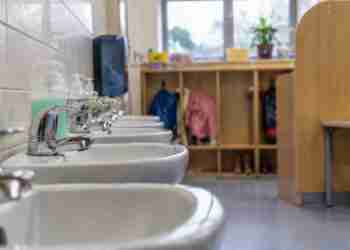
When high counts of Legionella pneumophila are detected, the priority is to break the chain of infection. In the Frosinone case, this involved “interdicting” or closing off specific rooms where the risk of aerosolisation—the process of water turning into a fine mist that can be inhaled—was deemed highest. This typically includes areas with showers, spray taps, or other outlets that have not been frequently used or properly maintained.
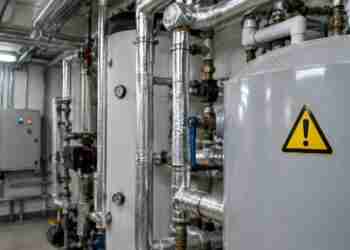
The mayoral order dictates a systematic approach to cleaning. This usually involves thermal shock treatment, where water is heated to temperatures high enough to kill the bacteria, or chemical dosing using chlorine or chlorine dioxide. For facilities managers, the challenge during such an event is ensuring the disinfectant reaches every “dead leg” and extremity in the system, as stagnant pockets are where legionella water contamination thrives.
Failure to manage these systems effectively often stems from a lack of regular flushing or poor temperature control. While the specific cause in the Frosinone building has not been detailed, the requirement for re-testing within a tight ten-day window places significant pressure on the technical teams to identify and resolve the root cause quickly.
Lessons for UK dutyholders and facilities managers
While this incident occurred in Italy, the technical and regulatory parallels for UK-based professionals are clear. Under the Health and Safety at Work etc. Act 1974 and the specific requirements of ACoP L8, UK dutyholders are expected to maintain water systems in a way that prevents the growth of legionella. A similar discovery in a UK office, hospital, or residential block would trigger an immediate review of the written scheme of control.
Legionella water contamination is rarely a random occurrence. It is almost always a symptom of a systemic failure in water management, such as failing to maintain calorifiers at 60°C or allowing cold water storage tanks to rise above 20°C. When a local authority or the HSE becomes involved, they will look for the risk assessment and the logbooks that prove monitoring has been consistent.
In the UK, if a building were found to have levels of Legionella pneumophila exceeding 1,000 colony forming units per litre (cfu/l), the remedial actions would mirror those seen in Frosinone. This would include possible closure of facilities, mandatory disinfection, and a requirement for clear samples before the system is returned to normal service. The reputational and operational costs of such an outage often far outweigh the cost of a robust monthly maintenance contract.
Risk assessment and the role of sampling
One of the key takeaways from the Frosinone ordinance is the role of sampling in verifying water safety. In the UK, while routine sampling is not always mandatory for simple hot and cold water systems, it becomes essential when the control regime is suspect or when a highly vulnerable population is at risk. For high-risk settings like healthcare or care homes, legionella water contamination must be proactively hunted through regular testing.
The ten-day deadline for new samples set by the Mayor of Frosinone highlights the need for a rapid response. For a compliance manager, this means having a pre-approved water treatment contractor who can mobilise immediately. It also requires a laboratory capable of providing UKAS-accredited results within a timeframe that allows for quick decision-making.
Ultimately, the goal of any water management strategy is to ensure that an ordinance like the one issued in Italy is never necessary. By the time a public official has to sign a legal order to disinfect a building, the dutyholder has already lost control of the risk. Prevention, through temperature monitoring and the elimination of stagnation, remains the most effective way to avoid the legal and health consequences of legionella water contamination.
The situation in Frosinone remains under observation. The results of the follow-up tests will determine whether the building can return to full capacity or if further, more invasive engineering works are required to fix the underlying plumbing issues.