Explore this post with your favourite AI tool:


Share this article with AI tools to summarise, remember, or explore the content further.
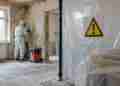
A legionella outbreak has prompted the closure of three school sites in Palermo after legionella and coliform bacteria were found in the water supply.
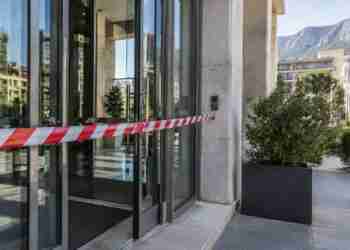
Three parts of the Istituto Virgilio Marone have been shut while checks are carried out on the water system, with lessons halted as a precaution. The finding is a reminder of how quickly water hygiene problems can disrupt occupied buildings, particularly where children, staff and contractors share the same supply network.
The Italian report says the closures followed the discovery of legionella and coliform bacteria in the water. No further technical details were given, but the immediate response has been to stop use of the affected school premises while the situation is assessed.
What the legionella outbreak means for occupied buildings
For UK dutyholders, the headline is familiar even if the location is not. A legionella outbreak, or even a suspected contamination issue, is rarely treated as a minor maintenance matter once it appears in a school, workplace or residential block. Water systems need to be isolated, sampled and checked properly, because these cases can escalate quickly if the source is not identified.
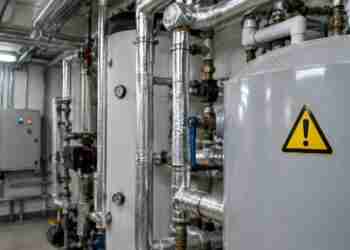
Legionella bacteria are associated with water systems that are poorly managed, infrequently used or allowed to sit at temperatures that support growth. That is why schools, care settings, offices, hotels and social housing all rely on routine flushing, temperature control, monitoring and records, rather than ad hoc maintenance after a complaint.
Coliform bacteria are also a sign that water quality has been compromised somewhere in the system. In practical terms, that usually means there is a hygiene or maintenance issue that needs investigation, whether the problem is in storage tanks, pipework, outlets or part of a wider distribution system.
Why the school response matters
The decision to stop lessons across three school premises shows how seriously water contamination is taken when children are involved. Once a possible exposure route is identified, the priority is to keep people out of areas that may be unsafe until the system has been tested and the problem understood.
For facilities managers and property teams, that sort of shutdown is never just a facilities issue. It affects timetables, building access, contractor schedules, cleaning arrangements and communications with parents or staff, all while remedial work is being planned. If records are incomplete or responsibility is unclear, the disruption usually lasts longer than it should.
The Palermo case also underlines a point that applies across the UK: water safety is not only about domestic hot and cold water systems in the usual sense. Cooling systems, stored water, infrequently used outlets and temporary closures can all create the sort of stagnant conditions that allow problems to build up unnoticed.
Why a legionella outbreak is a compliance issue
In the UK, dutyholders are expected to manage the risk from legionella through suitable assessment, control measures and ongoing review. That is not a box-ticking exercise. The practical test is whether someone actually knows how the water system is used, where stagnation might occur and what checks are needed to keep it under control.
This is where many fail in practice. Buildings change use, parts of systems are taken out of service, tenants move in and out, and old records get left behind. If those changes are not reflected in the risk assessment and maintenance regime, the building can drift into a state where nobody has a clear picture of the real risk.
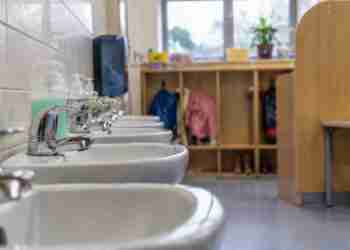
Schools and other public-facing premises are especially exposed because they tend to have complex occupancy patterns. Term-time use, holiday shutdowns and intermittent use of certain wings or blocks can all create dead legs, low turnover and neglected outlets if the system is not managed with care.
What responsible persons and dutyholders should be checking
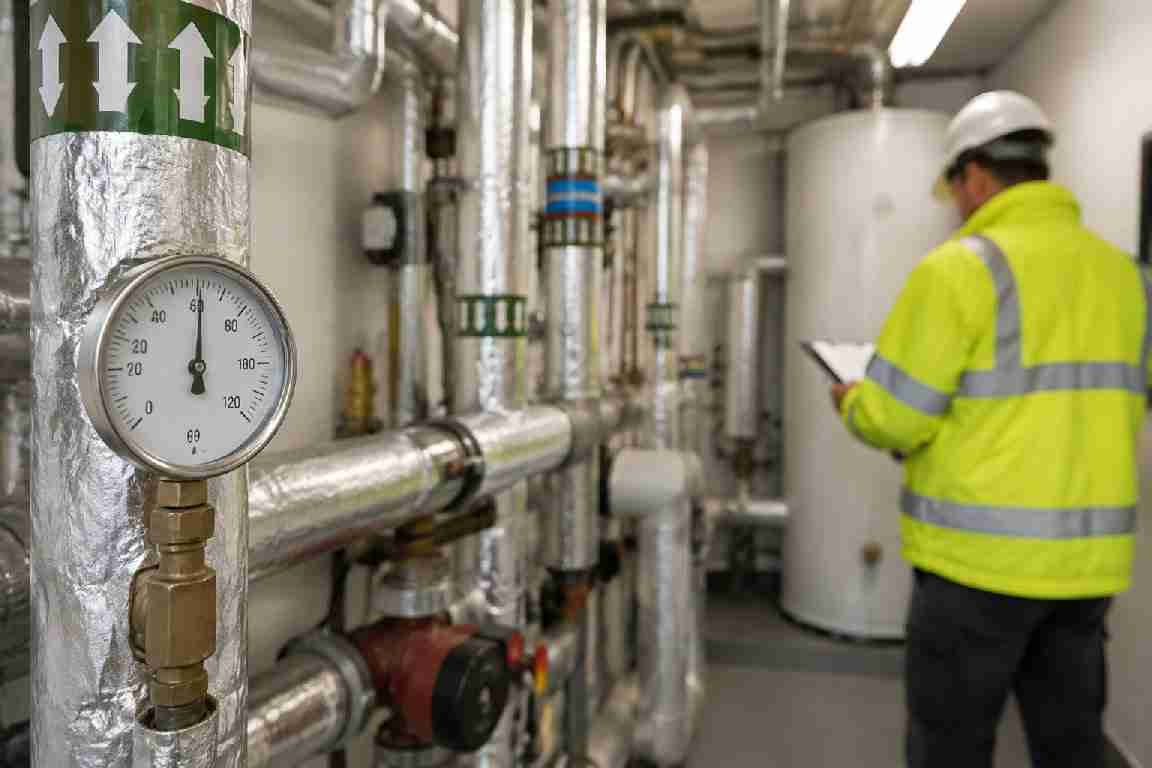
For responsible persons, landlords and facilities teams, the practical lessons are straightforward. Keep the risk assessment current, make sure the system drawings and asset information are accurate, and check that flushing, temperature monitoring and sampling are being carried out by competent people where required.
It is also worth reviewing what happens during shutdowns and reopenings. Buildings left empty over weekends, holidays or void periods can develop exactly the sort of conditions that lead to a legionella outbreak if water is left standing and outlets are not managed properly before occupation resumes.
Where there is any doubt about water quality, the right move is to treat it as a live issue rather than a paperwork matter. That usually means restricting use, identifying the affected parts of the system, checking recent maintenance history and involving the right specialist support before people are allowed back in.
The Italian report says the closures followed the discovery of legionella and coliform bacteria in the water.
Although the Palermo incident is still being dealt with locally, the message for UK building owners and dutyholders is plain enough. If water systems are not monitored and maintained properly, the consequences can be immediate: closures, disruption and a much bigger management problem than the original fault.
For anyone responsible for occupied premises, the safest assumption is that water hygiene cannot be left to drift. Once warning signs appear, the response needs to be prompt, documented and tied back to a proper control regime before normal use starts again.