Explore this post with your favourite AI tool:


Share this article with AI tools to summarise, remember, or explore the content further.
Following a confirmed legionella outbreak linked to a local industrial site, health authorities have moved to suspend the use of specific water facilities to prevent further risk to staff.
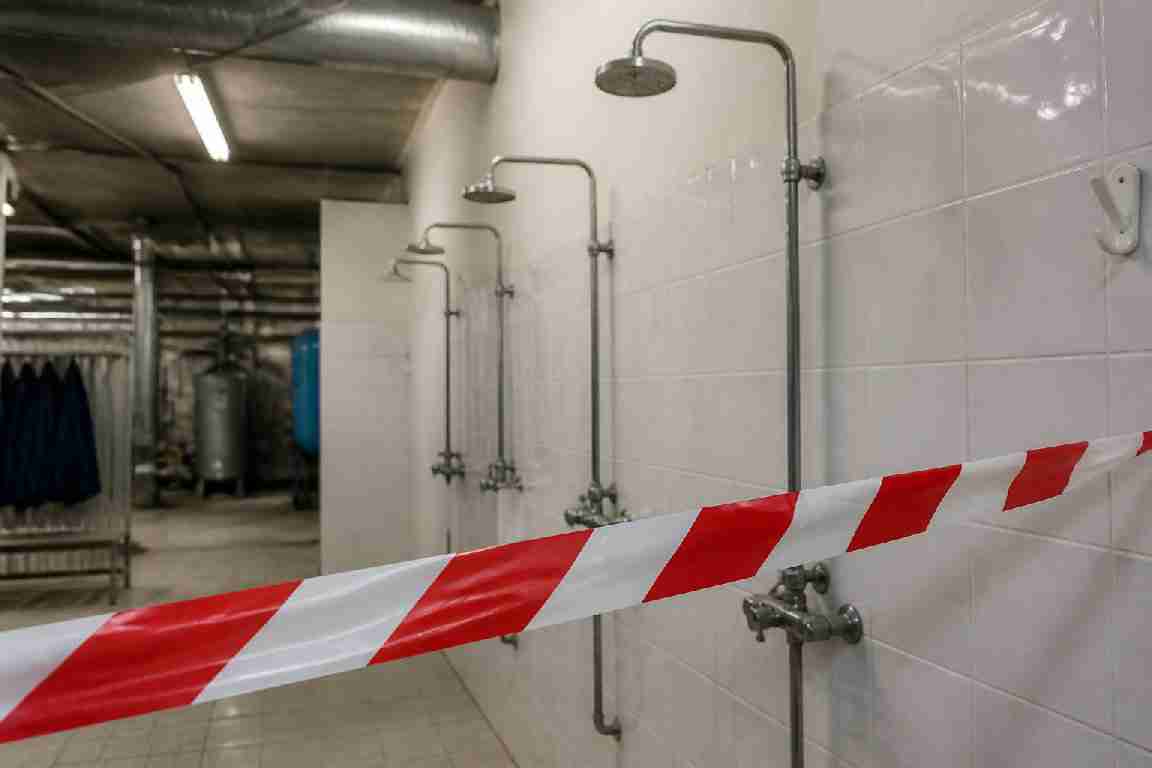
Health officials from the Ulss 6 Euganea have ordered the immediate closure of two shower units at the Chimar plant in Cadoneghe after testing confirmed the presence of the bacteria. The intervention follows a reported case of infection, prompting an investigation into the site’s water management and hygiene protocols. The suspension will remain in place until the company can demonstrate that the risk has been successfully mitigated through disinfection and subsequent clear test results.
Environmental and health inspectors conducted a series of targeted analyses across the facility’s plumbing system. The laboratory results identified high concentrations of the bacteria within both the showerheads and the internal distribution pipework. This suggests that the contamination was not limited to the terminal fittings but had potentially established itself within the wider system, where stagnant water or internal temperatures may have encouraged biofilm growth.
For UK facilities managers and dutyholders, this incident serves as a stark reminder of how quickly a localised issue can escalate into a formal enforcement action. In the UK, while the regulatory framework is overseen by the Health and Safety Executive (HSE) under the L8 Approved Code of Practice (ACoP), the fundamental biological risks remain the same. When a single case or a potential legionella outbreak is identified, the immediate priority for any business is to isolate the source and protect the users of the building.
Addressing the source of a legionella outbreak
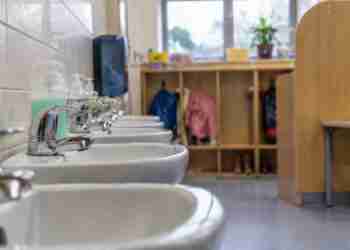
The discovery of the bacteria in the showerheads at the Cadoneghe site highlights a common vulnerability in industrial and commercial premises. Showers are high-risk outlets because they create a fine aerosol. If the water contains elevated levels of Legionella pneumophila, these droplets can be easily inhaled, leading to Legionnaires’ disease, a severe and potentially fatal form of pneumonia.
When an inspection reveals contamination within the pipework, as seen in this case, a simple cleaning of the showerheads is rarely sufficient. The local health authority has specified that the “stop” on these facilities will only be lifted once the plumbing has undergone a rigorous decontamination process. Typically, this involves thermal or chemical shock treatment followed by a period of monitoring to ensure the bacteria count has dropped below actionable levels.
In a UK context, a detected legionella outbreak would trigger a similar scrutiny of the building’s written scheme of control. Dutyholders would be expected to produce maintenance logs showing that water temperatures were being monitored and that “little-used” outlets were being flushed regularly. If a system has been allowed to sit idle or if the hot water temperature has dropped below 50°C at the circulating return, the risk of colonisation increases significantly.
The situation at the Chimar plant also underscores the importance of the initial risk assessment. Compliance is not a one-time event but a continuous process of monitoring and adjustment. If a building’s usage changes—for example, if certain shower blocks are used less frequently than they were originally designed for—the risk of stagnation and subsequent bacterial growth rises. Facilities teams must be proactive in identifying these “dead legs” or under-utilised sections of the pipework before they become a breeding ground for pathogens.
For those managing property portfolios, the reputational and operational impact of a legionella outbreak can be as damaging as the legal consequences. Beyond the immediate health of the workforce, the closure of essential facilities can disrupt operations and necessitate expensive remedial plumbing work. It is far more cost-effective to maintain a strict regime of temperature monitoring and descaling than it is to deal with an emergency shutdown and a public health investigation.
The local authorities in Italy are continuing to monitor the health of the workforce while the company undertakes the necessary technical interventions. The case highlights that even in modern industrial settings, basic water hygiene remains a critical pillar of workplace safety. Ensuring that water systems are kept clean and that temperatures are managed correctly is the only reliable way to prevent the circumstances that leads to a legionella outbreak and the resulting enforcement action from health regulators.