Explore this post with your favourite AI tool:


Share this article with AI tools to summarise, remember, or explore the content further.
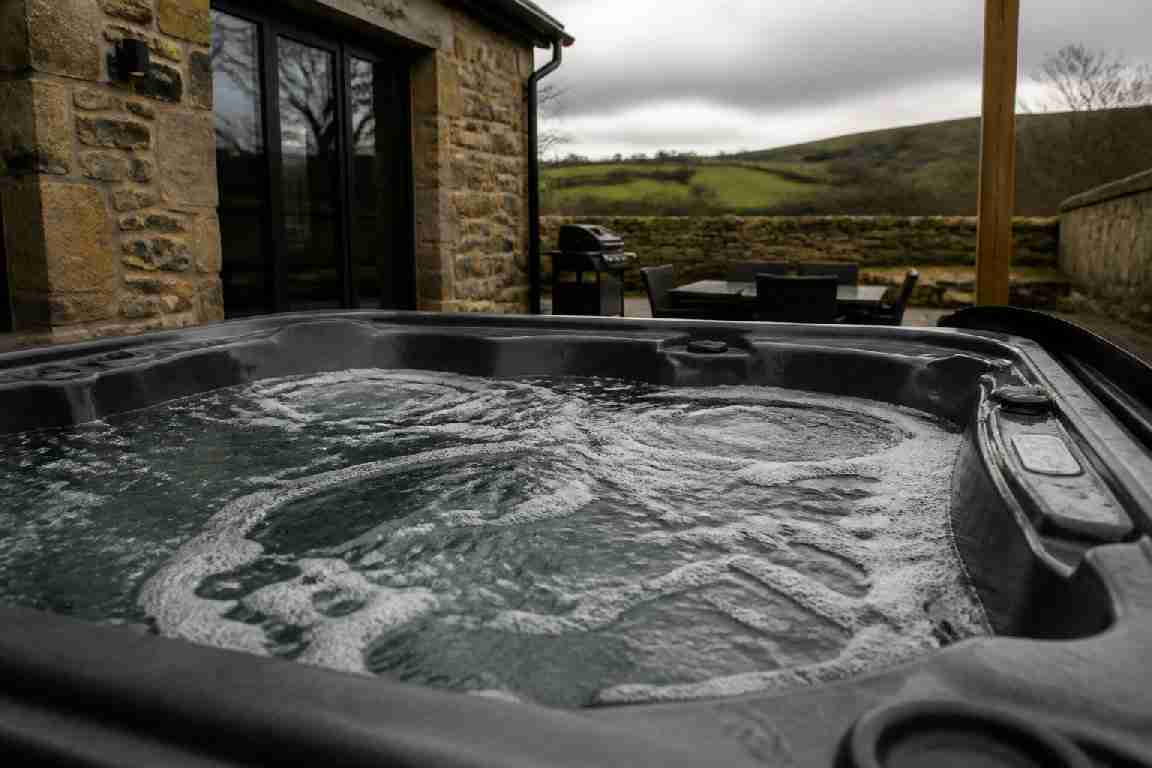
The risk of a legionnaires disease hot tub outbreak remains a significant concern for the short-term rental sector following reports of a property owner ignoring warnings before guests fell ill.
A vacation rental owner is facing scrutiny after guests allegedly contracted Legionnaires’ disease from a contaminated hot tub. The case has highlighted a critical gap in the oversight of private holiday lets, where water systems often escape the rigorous inspection regimes applied to commercial hotels and leisure centres. Reports suggest that the owner failed to act on previous warnings regarding water safety, leading to a preventable public health incident.
According to the reports, multiple guests reported feeling unwell after staying at the property. Investigations into the source of the infection pointed directly to the hot tub’s filtration and disinfection systems. While public facilities are subject to stringent local authority or environmental health checks, residential properties used as short-term rentals frequently operate in a regulatory “grey area,” often relying on the owner’s personal knowledge rather than professional water management protocols.
The hidden dangers of a legionnaires disease hot tub
Hot tubs are particularly conducive to the growth of Legionella bacteria because they operate at temperatures between 20°C and 45°C—the optimum range for the bacteria to multiply. When the jets are turned on, the agitated water creates an aerosol or fine mist. If this mist contains the bacteria, it can be inhaled deep into the lungs of users or even people standing nearby, potentially causing a severe and sometimes fatal form of pneumonia.
In a commercial setting, such as a gym or a large hotel, a legionnaires disease hot tub is usually prevented by automated dosing systems and three-times-daily manual testing. However, in the burgeoning world of short-term holiday rentals, these systems are rarely in place. Many owners treat hot tubs like domestic baths, failing to account for the “bather load” and the rapid depletion of sanitiser chemicals when different groups of guests use the tub in quick succession.
The issue is compounded when properties are left vacant between bookings. Stagnant water in the pipework of a legionnaires disease hot tub can quickly develop biofilms—slimy layers of microorganisms that protect Legionella from chlorine or bromine. Once a biofilm is established, standard DIY chemical treatments are often insufficient to clear the contamination, requiring a professional deep clean and system flush.
Regulatory expectations for UK dutyholders
While this specific case has sparked debate abroad, the implications for UK landlords and holiday let operators are clear. Under the Health and Safety at Work etc. Act 1974 and the Control of Substances Hazardous to Health (COSHH) Regulations, anyone who provides residential accommodation or rents out a property has a legal duty to ensure the health and safety of their guests. This includes the requirement to manage the risk of Legionella.
The HSE’s Approved Code of Practice L8 and the technical guidance HSG282 provide specific instructions for managing spa pools and hot tubs in commercial settings. Crucially, the HSE considers a holiday let with a hot tub a “business activity,” meaning the owner is a dutyholder. If a legionnaires disease hot tub incident occurs because an owner failed to conduct a risk assessment or maintain a proper chemical regime, they could face significant legal liability and potential prosecution.
Environmental health officers have previously warned that domestic-style hot tubs are often not robust enough for the heavy use seen in holiday rentals. Many manufacturers even state in their warranties that their domestic tubs are not intended for commercial use. For a property manager or landlord, using a domestic-spec tub for guests without professional-grade filtration and automated chemical dosing is a high-risk strategy that is increasingly difficult to justify to insurers or regulators.
Practical steps for risk management
For those managing property portfolios or individual holiday lets, the first step is a formal Legionella risk assessment. This should not be a “tick-box” exercise but a genuine look at how water is stored and used on-site. If a hot tub is part of the offering, the management plan must include strict records of pH and sanitiser levels, regular filter cleaning, and a documented schedule for draining and refilling the unit.
It is also essential to provide guests with clear usage instructions. Overloading a tub with more people than it is designed for, or using it after applying heavy sun creams and lotions, can neutralise disinfectants almost instantly. However, guest education is a supplement to, not a replacement for, the owner’s responsibility. The “set and forget” approach to hot tub maintenance is simply not an option for someone running a compliant hospitality business.
As the short-term rental market continues to mature, we are likely to see more intervention from local authorities. The shift from “casual airbnb” to professionalised property management means that the same level of safety expected in a traditional hotel is now the benchmark for all. This case serves as a stark reminder that ignoring water safety warnings isn’t just a management failure—it is a significant risk to life and business continuity.