Explore this post with your favourite AI tool:


Share this article with AI tools to summarise, remember, or explore the content further.
The scale of london wildfire risk has reached “extreme” levels this week as sustained high temperatures and dry conditions take hold across the capital. This warning serves as a critical alert for facilities managers, land owners, and dutyholders who must now review their outdoor safety protocols and vegetation management.
Wildfire threat in the Thames Valley and Greater London areas has escalated significantly following a prolonged period of hot, dry weather. Fire services and environmental monitors have raised the alarm as the combination of parched grasslands and rising temperatures creates a “tinderbox” environment in both suburban and urban fringe locations.
For those responsible for managing large estates, business parks, or residential developments in the capital, this isn’t just a weather headline. It represents a tangible shift in the risk profile of London’s green spaces, requiring immediate attention to how outdoor areas are monitored and managed during heatwaves.
Understanding the escalating london wildfire risk
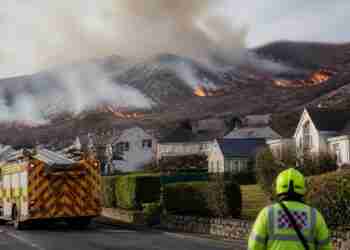
The “extreme” designation is not used lightly by fire authorities. It indicates that if an ignition occurs, the speed of fire spread and the intensity of the heat will be exceptionally high, making control difficult even for professional crews. In a densely populated city, the proximity of these fires to commercial assets and residential blocks introduces a level of complexity not often seen in rural moorland fires.
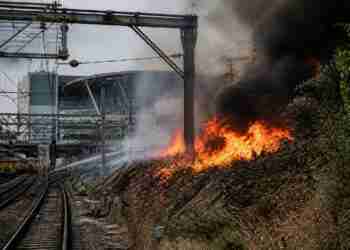
We are increasingly seeing the urban-rural interface become a frontline for fire safety. Heatwaves are no longer just about indoor thermal comfort or legionella management in cooling towers; they are now about the external environment and its potential to threaten the structural integrity and safety of buildings.
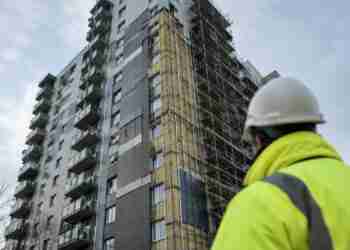
During these periods, the london wildfire risk is exacerbated by low humidity and light winds, which can carry embers from scorched grass onto building balconies, external cladding, or into ventilation intakes. This makes the perimeter of any facility a primary concern for compliance and safety officers.
Implications for dutyholders and property managers
Under the Regulatory Reform (Fire Safety) Order 2005, the “Responsible Person” has a duty to ensure that the premises and the people within them are safe. While we traditionally focus on internal fire doors and alarm systems, an extreme london wildfire risk suggests that the scope of a fire risk assessment may need to extend to the boundary fence.
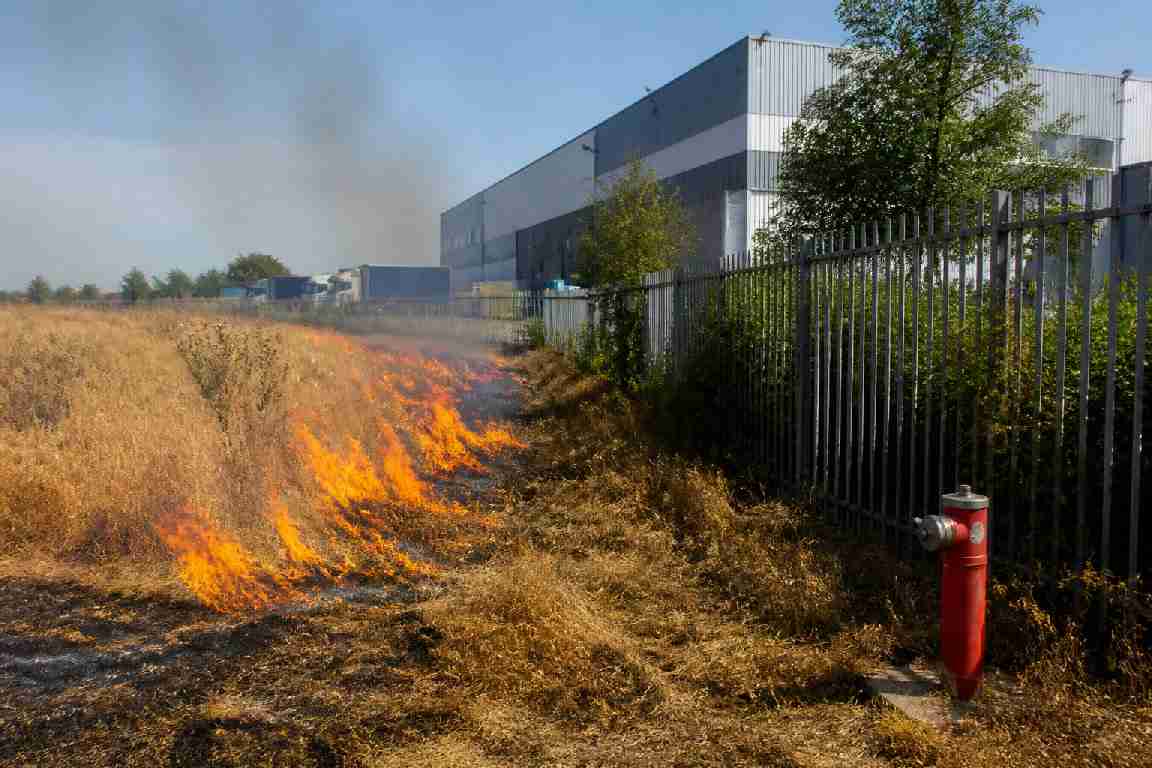
Grounds maintenance teams and facilities managers should be looking at their current “fuel” loads. This includes dry grass cuttings left near buildings, overgrown scrub undercrofting, or even decorative mulch that has dried out completely. These materials can act as a wick, leading a fire directly from a public park or roadside verge straight to the walls of a commercial property.
Furthermore, contractors working on-site should be under strict instructions regarding “hot works.” During an extreme alert, activities such as grinding, welding, or even the use of petrol-powered strimmers in dry grass should be reconsidered or subjected to much more stringent fire watch protocols.
Practical steps for managing outdoor fire threats
Early detection and prevention are the only effective strategies when the london wildfire risk is this high. Facilities teams should consider increasing the frequency of site patrols, particularly around the perimeter of the property where public access might lead to accidental ignitions from discarded smoking materials or glass.
It is also worth checking the accessibility of external hydrants and ensuring that emergency vehicle access routes are not blocked by temporary summer parking or deliveries. If a fire starts nearby, the fire brigade will need immediate, unobstructed access to the site perimeter to prevent the blaze from encroaching on the building.
Waste management is another area of concern. Overfilled bins containing flammable materials, located near dry vegetation or against building facades, represent a significant vulnerability. Ensuring that all waste is stored in secure, metal containers and collected promptly can reduce the likelihood of a small ignition turning into a major incident.
With temperatures expected to remain high throughout the weekend, the pressure on London’s emergency services will be significant. By taking proactive steps to mitigate the london wildfire risk on private and commercial land, dutyholders play a vital role in the city’s broader resilience strategy, ensuring that a grass fire doesn’t become a structural disaster.