Explore this post with your favourite AI tool:


Share this article with AI tools to summarise, remember, or explore the content further.
legionella symptoms are back in focus as new research continues into treatment, while the infection remains a practical concern for anyone managing water systems in workplaces, housing and public buildings.
Legionella is still causing avoidable problems across buildings with poorly controlled water systems, and the latest discussion around treatment and research is a reminder that early recognition matters. For UK dutyholders, the issue is not just medical: it sits squarely within day-to-day compliance, maintenance and risk management.
Why legionella symptoms matter for building managers
Legionella infection can develop after someone inhales contaminated droplets from water systems such as showers, cooling systems or poorly maintained outlets. The early legionella symptoms can look like flu at first, which is one reason the illness is often missed until it becomes more serious.
That matters to employers, landlords, facilities teams and responsible persons because the practical controls sit with them. If water systems are not assessed, cleaned and monitored properly, the risk can rise quietly in the background, especially in buildings with long periods of low occupancy, little water turnover or complex pipework.
In Italy and elsewhere in Europe, the infection continues to be reported regularly, and the article points to ongoing research into how the more severe forms of the disease are treated. For property and compliance teams, that does not change the basics: prevention, monitoring and swift action when symptoms are reported remain the main line of defence.
Recognising legionella symptoms early
The source piece highlights legionella symptoms as a key part of the wider picture, because the illness may begin with fever, muscle aches, cough and general weakness before moving into more serious respiratory problems. In more severe cases, it can progress quickly and require hospital treatment.
That overlap with other winter illnesses is part of the problem. People may dismiss the early signs, particularly if they have recently stayed in a hotel, used workplace showers, visited a leisure centre or been in a building where water systems have been out of use or only lightly used.
For managers, that means reports from staff, contractors, residents or visitors should not be brushed aside. A cluster of respiratory complaints, or a case linked to a particular site, is the kind of trigger that should prompt a closer look at water safety controls and recent maintenance records.
What the research is trying to improve
The source refers to new studies exploring treatment for the more serious forms of legionella infection. That is significant because the illness can move beyond a straightforward pneumonia picture, and outcomes depend heavily on how quickly it is identified and managed clinically.
For those responsible for buildings, the main relevance is indirect but important. Better treatment may help patients, but it does not reduce the need to stop contamination at source. A building with a neglected hot water system, dead legs, stale storage tanks or poor temperature control can still create the conditions for an outbreak.
“La diffusione in Italia e in Europa, le terapie disponibili e gli studi che stanno approfondendo il trattamento delle forme più gravi …”
Compliance lessons for dutyholders
Legionella control is one of those areas where paperwork alone is not enough. Risk assessments need to reflect the actual condition and use of the building, not a generic template copied from somewhere else years ago and never revisited.
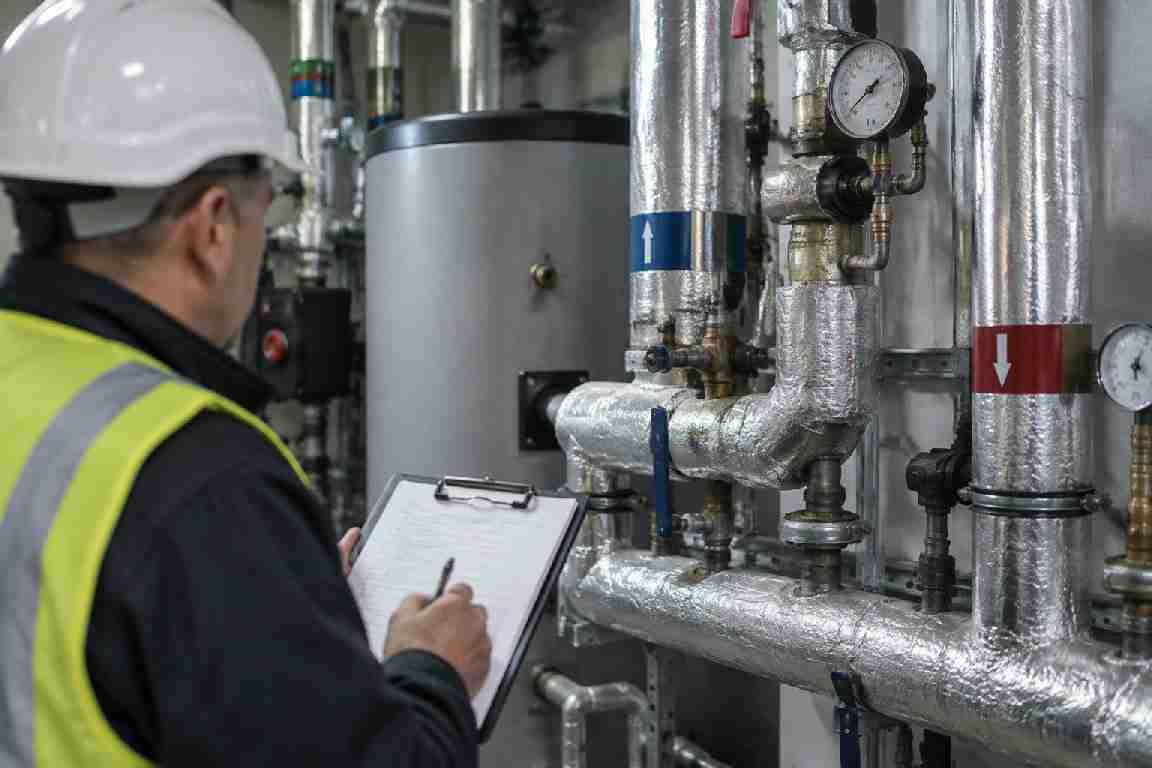
That means checking whether outlets are used regularly, whether showers and little-used pipework are flushed, whether temperatures are where they should be, and whether records show the system is being maintained in line with the assessment. For larger or more complex properties, competent specialist support is often needed rather than an in-house assumption that the job is covered.
Facilities managers and landlords should also be alert to changes in use. Empty flats, vacant offices, changing tenant patterns, temporary closures and seasonal occupancy all alter the risk profile. A system that was acceptable when a building was full may not be safe if water has been sitting in stagnant sections for weeks.
What practical action looks like on site
In practical terms, this is about keeping water systems moving, clean and monitored, and making sure findings are acted on rather than filed away. That includes maintenance of storage tanks, inspection of showers and taps, control of scaling and biofilm, and prompt investigation of any unexplained health report that could relate to the premises.
Contractors also have a role, particularly where they disturb water systems during refurbishment, plant work or shutdowns. If work changes the system layout or brings dead legs, infrequently used outlets or temporary supplies into play, the risk picture can change quickly and needs to be reassessed.
For employers, there is a straightforward workforce issue too. Staff need to know when to raise concerns, especially after working in or visiting sites where water systems have been out of use or where maintenance has identified a problem. A few early warnings can prevent a much bigger incident later.
Why the issue keeps coming back
Legionella remains a recurring compliance issue because the underlying conditions are common: warm water, stored water, unused outlets and systems that were designed once and then left to drift. Buildings are used differently now, and risk management has to keep up with that reality.
As research continues into treatment, the operational message for UK dutyholders stays the same. legionella symptoms should be recognised quickly, water systems should be managed properly, and records should show that the building is being looked after rather than simply signed off.
That combination of medical awareness and routine maintenance is still what separates a controlled risk from one that develops into a serious case or a wider building issue.